THE ADVENTURE COLLECTIVE® · Independent discovery and booking for outdoor travel

Walk Christiansted after dark with a seasoned guide and hear the island’s colonial past and ghost stories come alive among cobblestones and ramparts. This 2-hour tour blends documented history with local lore and practical insight for nighttime exploring.
Walk Christiansted after dark with a seasoned guide and hear the island’s colonial past and ghost stories come alive among cobblestones and ramparts. This 2-hour tour blends documented history with local lore and practical insight for nighttime exploring.
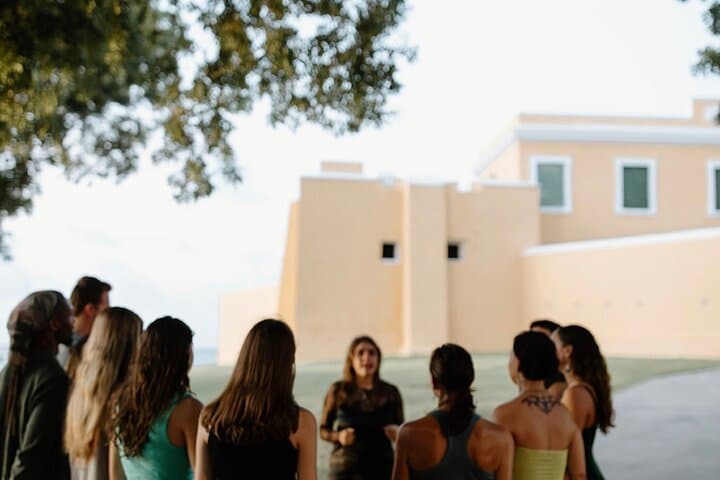
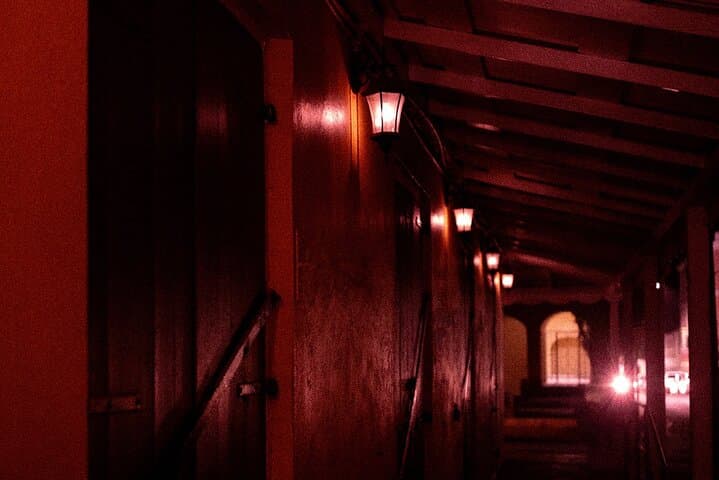
The night air off Christiansted Harbor breathes cool and saline, and the cobblestones seem to lean in to listen as your guide begins the first story. Lantern light sketches the facades of Danish-era townhouses; alleyways press close enough to make the stories feel like whispers that could slip from a shuttered window.
Verified experiences and guided adventures in the surrounding area.
Operated by Haunt: Historic Ghost Tours- St. Croix · Christiansted, Saint Croix
The night air off Christiansted Harbor breathes cool and saline, and the cobblestones seem to lean in to listen as your guide begins the first story. Lantern light sketches the facades of Danish-era townhouses; alleyways press close enough to make the stories feel like whispers that could slip from a shuttered window.
Christiansted's built environment—low stone forts, narrow streets, and waterfront warehouses—records centuries of colonial commerce, enslaved labor, and maritime trade. The island's geology is volcanic bedrock covered by coral limestones, which gives the town its compact, hilly layout and the uneven pavers that challenge your footing at night. Culture here blends Afro-Caribbean traditions with Danish colonial legacies; the guide’s tales thread historical fact with local lore, so you leave knowing the documented past and the legends that grew around it.
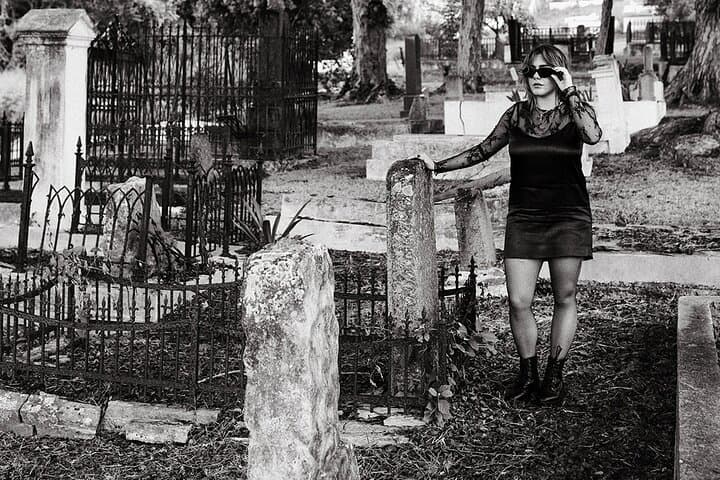
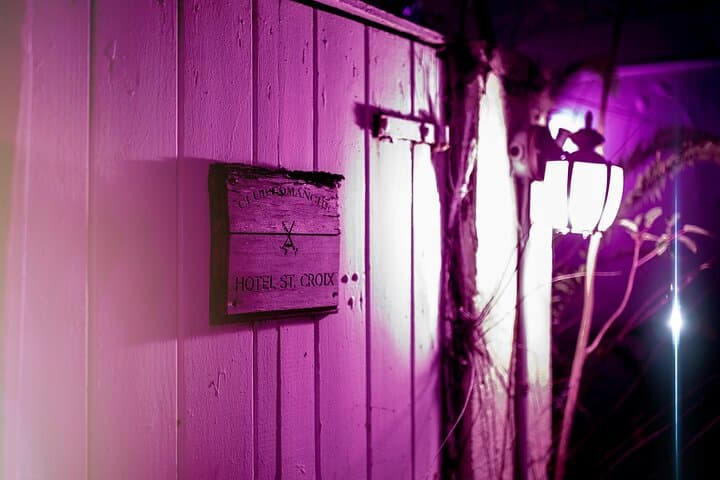
Expect 90–120 minutes of easy walking over cobblestones and pavement, stopping at known haunts, courtyards, and the ramparts of Fort Christiansvaern. Guides often point out architectural details—ironwork, cisterns, and old merchant signs—that hint at darker chapters.
Practical guidance: wear closed-toe shoes with good grip, bring a small flashlight or headlamp for steps and alleys, and dress for sea breezes—light layers work best. Tours run at night; check weather and cancellation policies and arrive early to find the meeting point near the boardwalk. Be respectful of residents and private properties, and ask questions—the guides are the best source for separating archival record from entertaining rumor.
easy.
2 hours.
Comfortable walking ability; minimal uphill sections and frequent stops for storytelling.
Yes—many families join; content can include ghost stories and historical accounts, so consider age-appropriateness and check with the operator.
The historic cobblestones and narrow alleys make full wheelchair access difficult; contact the operator to discuss accommodations.
Shared tours cap at about 25 people, creating an intimate group while allowing room to move between stops.
The operator may cancel for bad weather; cancel at least 24 hours before for a full refund per the policy listed at booking.
Christiansted was developed during Danish rule (18th–19th centuries) as a colonial port—its streets and fortifications reflect trade, slavery, and maritime law from that era.
Stick to public paths and historic sites to avoid wear; support local guides and businesses that invest in preservation and culturally sensitive storytelling.
Haunt: Historic Ghost Tours- St. Croix operates guided outdoor trips and adventures with an emphasis on safety, stewardship, and memorable experiences.
The night air off Christiansted Harbor breathes cool and saline, and the cobblestones seem to lean in to listen as your guide begins the first story. Lantern light sketches the facades of Danish-era townhouses; alleyways press close enough to make the stories feel like whispers that could slip from a shuttered window.
The night air off Christiansted Harbor breathes cool and saline, and the cobblestones seem to lean in to listen as your guide begins the first story. Lantern light sketches the facades of Danish-era townhouses; alleyways press close enough to make the stories feel like whispers that could slip from a shuttered window.
Christiansted's built environment—low stone forts, narrow streets, and waterfront warehouses—records centuries of colonial commerce, enslaved labor, and maritime trade. The island's geology is volcanic bedrock covered by coral limestones, which gives the town its compact, hilly layout and the uneven pavers that challenge your footing at night. Culture here blends Afro-Caribbean traditions with Danish colonial legacies; the guide’s tales thread historical fact with local lore, so you leave knowing the documented past and the legends that grew around it.
Expect 90–120 minutes of easy walking over cobblestones and pavement, stopping at known haunts, courtyards, and the ramparts of Fort Christiansvaern. Guides often point out architectural details—ironwork, cisterns, and old merchant signs—that hint at darker chapters.
Practical guidance: wear closed-toe shoes with good grip, bring a small flashlight or headlamp for steps and alleys, and dress for sea breezes—light layers work best. Tours run at night; check weather and cancellation policies and arrive early to find the meeting point near the boardwalk. Be respectful of residents and private properties, and ask questions—the guides are the best source for separating archival record from entertaining rumor.