THE ADVENTURE COLLECTIVE® · Independent discovery and booking for outdoor travel

Follow clues through narrow Spanish Colonial streets and historic plazas on a self-guided scavenger hunt in St. Augustine. Perfect for small groups and families, the two-mile walking game reveals hidden details of America’s oldest city at your own pace.
Follow clues through narrow Spanish Colonial streets and historic plazas on a self-guided scavenger hunt in St. Augustine. Perfect for small groups and families, the two-mile walking game reveals hidden details of America’s oldest city at your own pace.
The brick streets rattle underfoot, gulls wheel above Matanzas Bay, and a smartphone pings you to the next clue — welcome to St. Augustine by scavenger hunt. Beginning near the Visitor Information Center on Cordova Street, this self-guided walking game threads you through narrow Spanish Colonial lanes, past the white-stone facade of Ponce de León’s hotel, and around the shaded Plaza de la Constitución.
Verified experiences and guided adventures in the surrounding area.
Operated by Scavenger Hunt Walking Tours · St. Augustine, Florida
The brick streets rattle underfoot, gulls wheel above Matanzas Bay, and a smartphone pings you to the next clue — welcome to St. Augustine by scavenger hunt. Beginning near the Visitor Information Center on Cordova Street, this self-guided walking game threads you through narrow Spanish Colonial lanes, past the white-stone facade of Ponce de León’s hotel, and around the shaded Plaza de la Constitución.
History sits close here: European colonists, Spanish missions, and later Gilded Age builders left visible layers in stone forts and ornate college halls. Geology is subtle but present — coquina rock forms the base of Castillo de San Marcos and underlies many waterfront structures, while tidal rhythms shape the city’s shoreline and marsh edges. Culture in St. Augustine mixes Spanish, Timucua, and American influences; small galleries and Cuban- and Spanish-influenced cafés punctuate the route.
The scavenger hunt turns landmarks into puzzles: identify architectural details, discover plaques, and score points as you go. It’s built for groups of 1–6, takes about two miles of walking, and runs on your phone so you set the pace. Wear comfortable shoes, carry water, and expect uneven brick and brief steps around older buildings.
Practical tips: redeem your ticket online before arrival, download the route map if cell service is spotty, and plan for sun in summer and blustery bay winds in winter. This is an accessible, low-impact way to see the oldest continuously inhabited European-established settlement in the U.S., but be mindful of fragile historic fabric — stay on walkways and pack out trash.
easy.
2 hours.
Light walking fitness is sufficient; participants should be comfortable with two miles of on-street walking and short stair sections.
Redeem your Viator ticket on the scavengerhuntwalkingtours.com site using the booking number, complete checkout, then begin the game any day and time that suits you.
The scavenger hunt covers roughly two miles and typically takes about two hours at a relaxed pace, depending on stops and how long you linger at points of interest.
Yes — the operator notes stroller and wheelchair accessibility on primary surfaces, but expect some brick streets and occasional curb transitions.
The game is designed for groups of 1–6 per booking; larger groups should split into multiple teams to keep gameplay smooth and fair.
Founded in 1565 by Spanish settlers, St. Augustine is the oldest continuously occupied European-established settlement in the continental U.S.; Castillo de San Marcos (17th century) anchors much of the historic core.
Historic structures and coastal marshes are sensitive—stay on designated walkways, avoid touching fragile masonry, and minimize waste to protect both cultural heritage and shoreline habitats.
Scavenger Hunt Walking Tours operates guided outdoor trips and adventures with an emphasis on safety, stewardship, and memorable experiences.
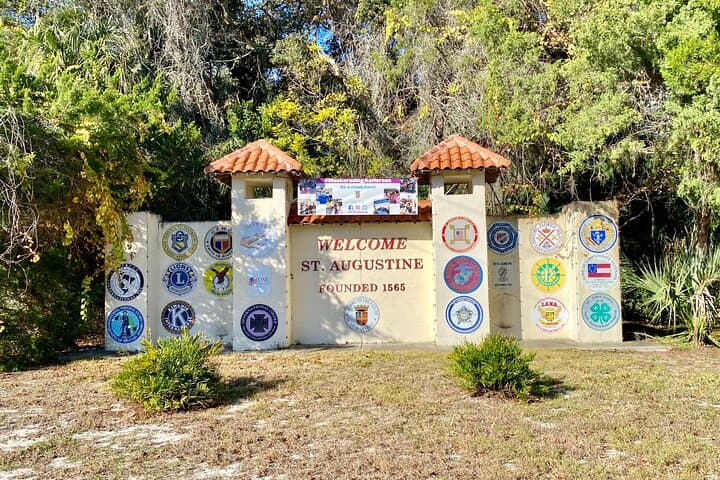
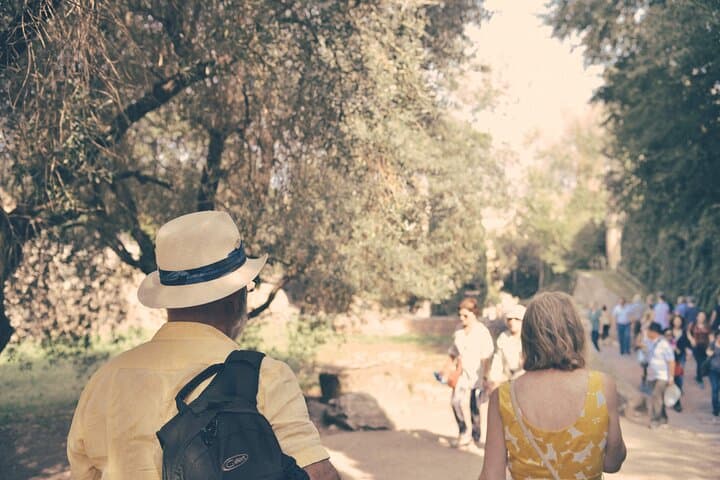

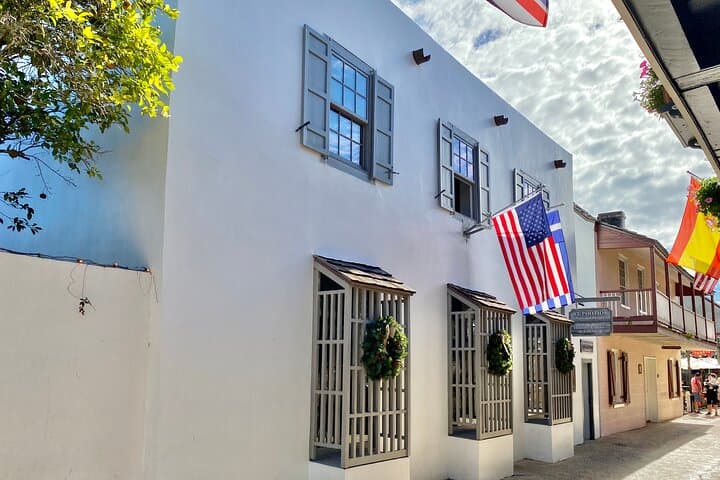
The brick streets rattle underfoot, gulls wheel above Matanzas Bay, and a smartphone pings you to the next clue — welcome to St. Augustine by scavenger hunt. Beginning near the Visitor Information Center on Cordova Street, this self-guided walking game threads you through narrow Spanish Colonial lanes, past the white-stone facade of Ponce de León’s hotel, and around the shaded Plaza de la Constitución.
The brick streets rattle underfoot, gulls wheel above Matanzas Bay, and a smartphone pings you to the next clue — welcome to St. Augustine by scavenger hunt. Beginning near the Visitor Information Center on Cordova Street, this self-guided walking game threads you through narrow Spanish Colonial lanes, past the white-stone facade of Ponce de León’s hotel, and around the shaded Plaza de la Constitución.
History sits close here: European colonists, Spanish missions, and later Gilded Age builders left visible layers in stone forts and ornate college halls. Geology is subtle but present — coquina rock forms the base of Castillo de San Marcos and underlies many waterfront structures, while tidal rhythms shape the city’s shoreline and marsh edges. Culture in St. Augustine mixes Spanish, Timucua, and American influences; small galleries and Cuban- and Spanish-influenced cafés punctuate the route.
The scavenger hunt turns landmarks into puzzles: identify architectural details, discover plaques, and score points as you go. It’s built for groups of 1–6, takes about two miles of walking, and runs on your phone so you set the pace. Wear comfortable shoes, carry water, and expect uneven brick and brief steps around older buildings.
Practical tips: redeem your ticket online before arrival, download the route map if cell service is spotty, and plan for sun in summer and blustery bay winds in winter. This is an accessible, low-impact way to see the oldest continuously inhabited European-established settlement in the U.S., but be mindful of fragile historic fabric — stay on walkways and pack out trash.