THE ADVENTURE COLLECTIVE® · Independent discovery and booking for outdoor travel

Race through centuries of history on a two-hour digital scavenger hunt in St. Augustine. Solve clues at the Castillo de San Marcos, explore St. George Street, and tour the city on foot with a phone-based interactive guide.
Race through centuries of history on a two-hour digital scavenger hunt in St. Augustine. Solve clues at the Castillo de San Marcos, explore St. George Street, and tour the city on foot with a phone-based interactive guide.
You step off the shade of a live oak and the Atlantic breeze pushes through the narrow street, carrying gull calls and the faint toll of a bell from the old fort. The scavenger hunt unfolds across sandstone courtyards and brick sidewalks—two hours of clue solving that threads through the Castillo de San Marcos, St. George Street, and the Plaza.
Verified experiences and guided adventures in the surrounding area.
Operated by See America Tours · St. Augustine, Florida
You step off the shade of a live oak and the Atlantic breeze pushes through the narrow street, carrying gull calls and the faint toll of a bell from the old fort. The scavenger hunt unfolds across sandstone courtyards and brick sidewalks—two hours of clue solving that threads through the Castillo de San Marcos, St. George Street, and the Plaza.
St. Augustine is the oldest continuously occupied European-established settlement in the continental U.S., founded by the Spanish in 1565. The city’s geology—coquina rock quarried from nearby shorelines—shapes its walls and streets; the fort’s pale, porous blocks tell a story of centuries of tides and tides of people. Culture here mixes colonial Spanish roots with maritime trade and modern tourism, and local shopkeepers and guides are part of the experience, ready to answer a question or award a token.
The hunt itself is an urban walk: mostly flat pavement and historic cobbles, intermittent steps, and occasional narrow alleys. Expect 1.5–2.5 miles of walking, puzzle stations at landmarks, and tasks that prompt interaction with plaques, storefronts, and public art. Teams use phones for clues, scoring, and checkpoint check-ins.
Practical guidance: bring a charged smartphone and portable battery, wear sturdy walking shoes for uneven cobble, and carry water—Florida sun and sudden showers are real. Plan around midday heat in summer and arrive early to avoid crowds. Accessibility is good in much of the downtown; some historic sites have limited ramps. Follow local preservation rules—do not climb on coquina walls—and enjoy a fast-paced, historically rich way to see St. Augustine.
easy.
2 hours.
Light walking fitness; comfortable for most people who can walk 2 miles on flat to uneven surfaces.
It’s a mobile-guided, self-paced experience—you’ll follow app or browser-based clues and check in at designated landmarks.
Expect roughly 1.5–2.5 miles depending on route choices and how many side streets you explore; plan for about two hours.
Much of downtown is accessible with some curb cuts and sidewalks, but historic sites and narrow alleys may present occasional barriers.
The product lists one ticket per booking—confirm with the vendor whether additional devices or group bookings are supported.
Founded in 1565 by Spanish explorers, St. Augustine’s masonry—especially the coquina used in the Castillo de San Marcos—reflects centuries of coastal geology and colonial conflict.
Stick to marked paths and avoid touching historic masonry; local conservation groups work to protect shorelines and maintain the city’s historic fabric.
See America Tours operates guided outdoor trips and adventures with an emphasis on safety, stewardship, and memorable experiences.
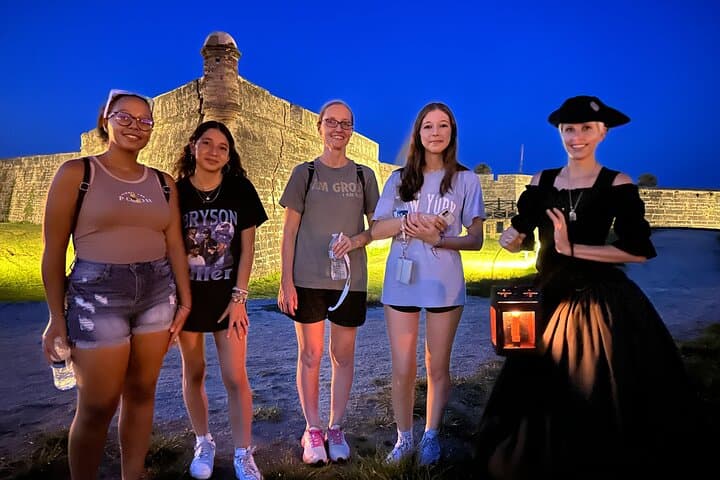
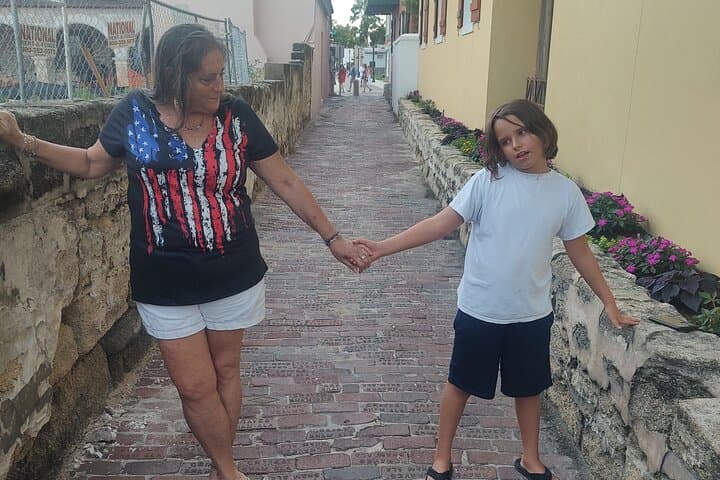
You step off the shade of a live oak and the Atlantic breeze pushes through the narrow street, carrying gull calls and the faint toll of a bell from the old fort. The scavenger hunt unfolds across sandstone courtyards and brick sidewalks—two hours of clue solving that threads through the Castillo de San Marcos, St. George Street, and the Plaza.
You step off the shade of a live oak and the Atlantic breeze pushes through the narrow street, carrying gull calls and the faint toll of a bell from the old fort. The scavenger hunt unfolds across sandstone courtyards and brick sidewalks—two hours of clue solving that threads through the Castillo de San Marcos, St. George Street, and the Plaza.
St. Augustine is the oldest continuously occupied European-established settlement in the continental U.S., founded by the Spanish in 1565. The city’s geology—coquina rock quarried from nearby shorelines—shapes its walls and streets; the fort’s pale, porous blocks tell a story of centuries of tides and tides of people. Culture here mixes colonial Spanish roots with maritime trade and modern tourism, and local shopkeepers and guides are part of the experience, ready to answer a question or award a token.
The hunt itself is an urban walk: mostly flat pavement and historic cobbles, intermittent steps, and occasional narrow alleys. Expect 1.5–2.5 miles of walking, puzzle stations at landmarks, and tasks that prompt interaction with plaques, storefronts, and public art. Teams use phones for clues, scoring, and checkpoint check-ins.
Practical guidance: bring a charged smartphone and portable battery, wear sturdy walking shoes for uneven cobble, and carry water—Florida sun and sudden showers are real. Plan around midday heat in summer and arrive early to avoid crowds. Accessibility is good in much of the downtown; some historic sites have limited ramps. Follow local preservation rules—do not climb on coquina walls—and enjoy a fast-paced, historically rich way to see St. Augustine.