THE ADVENTURE COLLECTIVE® · Independent discovery and booking for outdoor travel

Walk the streets where privateers once prowled: a 90-minute guided tour that blends verified history with salty lore, visiting plazas, the Castillo, and hidden alleys of old St. Augustine. Ideal for families and history buffs who want a compact, engaging primer on the city’s maritime past.
Walk the streets where privateers once prowled: a 90-minute guided tour that blends verified history with salty lore, visiting plazas, the Castillo, and hidden alleys of old St. Augustine. Ideal for families and history buffs who want a compact, engaging primer on the city’s maritime past.
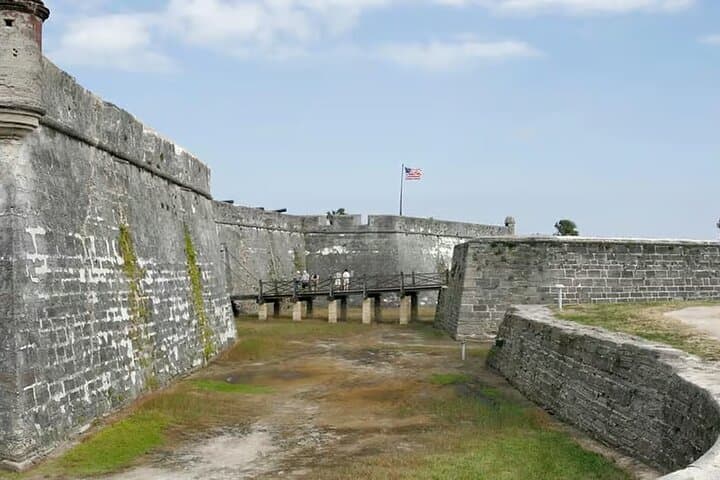
Morning light slices between coquina walls as the guide rings the bell at the Ponce de León statue and a group gathers, maps folded into palms. The air tastes of salt and coffee; gulls wheel over a harbor that once drew privateers and treasure ships alike. This ninety-minute walking tour threads through St. Augustine’s narrow streets, pausing where rumor and record collide — at plazas, old tavern sites, and the shadow of Castillo de San Marcos.
Verified experiences and guided adventures in the surrounding area.
Operated by Pretty Spooky Tours St. Augustine · St. Augustine, Florida
Morning light slices between coquina walls as the guide rings the bell at the Ponce de León statue and a group gathers, maps folded into palms. The air tastes of salt and coffee; gulls wheel over a harbor that once drew privateers and treasure ships alike. This ninety-minute walking tour threads through St. Augustine’s narrow streets, pausing where rumor and record collide — at plazas, old tavern sites, and the shadow of Castillo de San Marcos.
St. Augustine’s story begins with Spanish settlement in 1565; its shoreline and fortifications are written in coquina rock and interrupted by British interludes and tales of Yamasee and Timucua peoples. Pirates and privateers used the city as a waypoint — sometimes tolerated, sometimes hunted — and local alleys still echo with those clashes. Geology here is low, limestone and coquina formed from shells and sand, which gave the Castillo its strength and the town its distinctive pale facades.
Expect an engaging mix of folklore and documented incidents: escaped slaves turned sailors, harborside ambushes, and the politics that shaped early Florida. Guides point out lesser-known corners — a tucked-away courtyard, a brick lane that once hid contraband — while noting modern life: cafes, art shops, and a living historic district.
Practical guidance: wear supportive shoes for uneven sidewalks, bring sun protection, and plan for humidity in summer. The route is stroller- and wheelchair-friendly in most spots, but cobbles and narrow passages mean steady footing. Arrive 15 minutes early to check in and pick up any rain gear; the harbor keeps its own timetable and occasional squalls.
easy.
1.5 hours.
Suitable for most fitness levels — light walking over city sidewalks for 90 minutes with short stops.
Yes — the operator notes wheelchair accessibility for most surfaces, though some narrow or cobbled sections may require minor detours.
Families are welcome; strollers are permitted and the tour is suitable for children, but younger kids may prefer a shorter pace.
Meet at the Ponce de León statue adjacent to the Plaza de la Constitución; arrive 15 minutes early to check in with your guide.
No — the tour is a walking and storytelling experience; entrance to sites like Castillo de San Marcos is not included and requires separate tickets.
Founded by the Spanish in 1565, St. Augustine’s harbor and coquina fortifications attracted Spanish, British, and privateer activity, leaving a layered colonial record in its streets.
Respect the historic district by staying on marked walkways and avoiding damage to coquina walls; support local businesses that fund preservation and avoid feeding wildlife along the waterfront.
Pretty Spooky Tours St. Augustine operates guided outdoor trips and adventures with an emphasis on safety, stewardship, and memorable experiences.

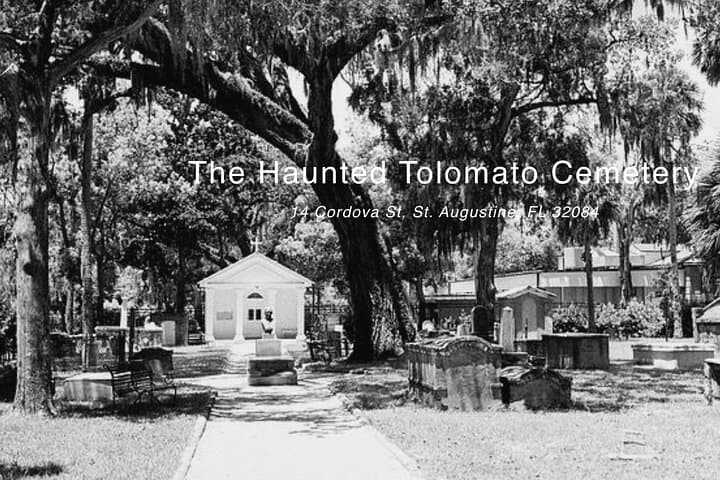
Morning light slices between coquina walls as the guide rings the bell at the Ponce de León statue and a group gathers, maps folded into palms. The air tastes of salt and coffee; gulls wheel over a harbor that once drew privateers and treasure ships alike. This ninety-minute walking tour threads through St. Augustine’s narrow streets, pausing where rumor and record collide — at plazas, old tavern sites, and the shadow of Castillo de San Marcos.
Morning light slices between coquina walls as the guide rings the bell at the Ponce de León statue and a group gathers, maps folded into palms. The air tastes of salt and coffee; gulls wheel over a harbor that once drew privateers and treasure ships alike. This ninety-minute walking tour threads through St. Augustine’s narrow streets, pausing where rumor and record collide — at plazas, old tavern sites, and the shadow of Castillo de San Marcos.
St. Augustine’s story begins with Spanish settlement in 1565; its shoreline and fortifications are written in coquina rock and interrupted by British interludes and tales of Yamasee and Timucua peoples. Pirates and privateers used the city as a waypoint — sometimes tolerated, sometimes hunted — and local alleys still echo with those clashes. Geology here is low, limestone and coquina formed from shells and sand, which gave the Castillo its strength and the town its distinctive pale facades.
Expect an engaging mix of folklore and documented incidents: escaped slaves turned sailors, harborside ambushes, and the politics that shaped early Florida. Guides point out lesser-known corners — a tucked-away courtyard, a brick lane that once hid contraband — while noting modern life: cafes, art shops, and a living historic district.
Practical guidance: wear supportive shoes for uneven sidewalks, bring sun protection, and plan for humidity in summer. The route is stroller- and wheelchair-friendly in most spots, but cobbles and narrow passages mean steady footing. Arrive 15 minutes early to check in and pick up any rain gear; the harbor keeps its own timetable and occasional squalls.