THE ADVENTURE COLLECTIVE® · Independent discovery and booking for outdoor travel

Walk St. Augustine after dark with a local guide who threads historical fact and eerie folklore through the city’s oldest streets. This 2½-hour tour covers coquina forts, lost cemeteries and Flagler-era mysteries—best for walkers who like history with a spine-tingle.
Walk St. Augustine after dark with a local guide who threads historical fact and eerie folklore through the city’s oldest streets. This 2½-hour tour covers coquina forts, lost cemeteries and Flagler-era mysteries—best for walkers who like history with a spine-tingle.
Night falls along St. Augustine’s narrow streets and the city seems to lean in close: salt-scented air from Matanzas Bay, the scrape of coquina underfoot, and the long shadows of old lampposts daring you to keep walking. This 2½-hour walking tour threads through alleys and plazas where guide Charlie recounts murders, epidemics and the lesser-known misdeeds behind gilded facades.
Verified experiences and guided adventures in the surrounding area.
Operated by Last Ghost Tour · St. Augustine, Florida
Night falls along St. Augustine’s narrow streets and the city seems to lean in close: salt-scented air from Matanzas Bay, the scrape of coquina underfoot, and the long shadows of old lampposts daring you to keep walking. This 2½-hour walking tour threads through alleys and plazas where guide Charlie recounts murders, epidemics and the lesser-known misdeeds behind gilded facades.
St. Augustine is America’s oldest continuously occupied European settlement, founded in 1565. The city’s geology—coquina limestone quarried from nearby shores—built fortresses like Castillo de San Marcos that watched over colonial conflict and maritime crime. Flagler-era hotels and a Catholic cemetery over an earlier Native American burial ground layer the town’s stories: prosperity, exploitation, grief.
On this route you’ll pass the Spanish Military Hospital, the old Warden Castle and a lost cemetery; each stop links architecture to rumor, from pirate plunder to Victorian-era psychics. The tour leans into local lore while pointing to concrete history and the physical traces left on buildings and streets.
Practical side: meet in front of the Spanish Military Hospital Museum; expect 1.5–2 miles on uneven, often cobbled pavement and stairs—moderate fitness recommended. Bring a headlamp or phone light, closed-toe shoes, a water bottle and a light layer for coastal breezes. Tours run nightly; cancellations are refundable up to 24 hours. The experience is best after dark for atmosphere, but prepare for crowds in summer and slippery surfaces in rain. Walk respectfully—these are real sites with living neighbors and fragile historic fabric.
moderate.
2–3 hours.
Comfortable walking ability for 1.5–2 miles on uneven cobbles and occasional stairs; standing for long stretches.
Expect roughly 1.5–2 miles over about 2½ hours on mostly flat but uneven surfaces; moderate fitness for walking and standing is recommended.
Meet in front of the Spanish Military Hospital Museum; the guide starts promptly—arrive 10 minutes early to locate the group.
Infants and small children in strollers are permitted, but cobbles and steps can make navigation difficult—consider a carrier for younger kids.
Full refunds are available if you cancel at least 24 hours before the scheduled departure time.
St. Augustine’s streets record layers of colonial contest, Flagler-era development, and earlier Native American presence—many hauntings tie directly to these turbulent chapters.
Tours ask guests to respect private property and historic fabric; avoid touching old structures and carry out trash to protect fragile coquina and neighborhood life.
Last Ghost Tour operates guided outdoor trips and adventures with an emphasis on safety, stewardship, and memorable experiences.
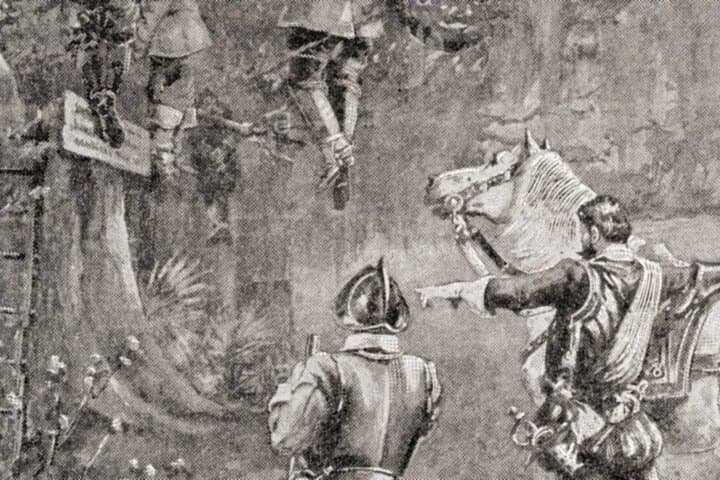
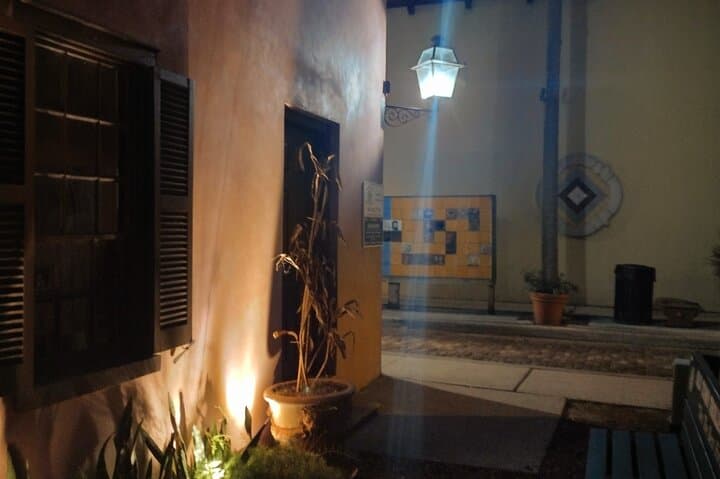
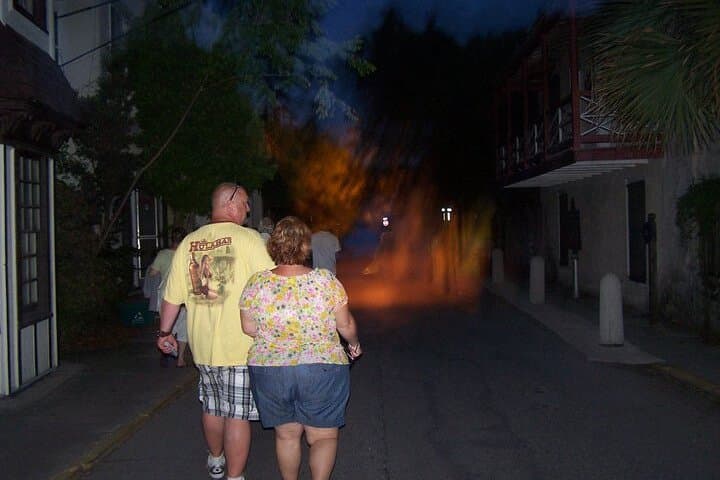
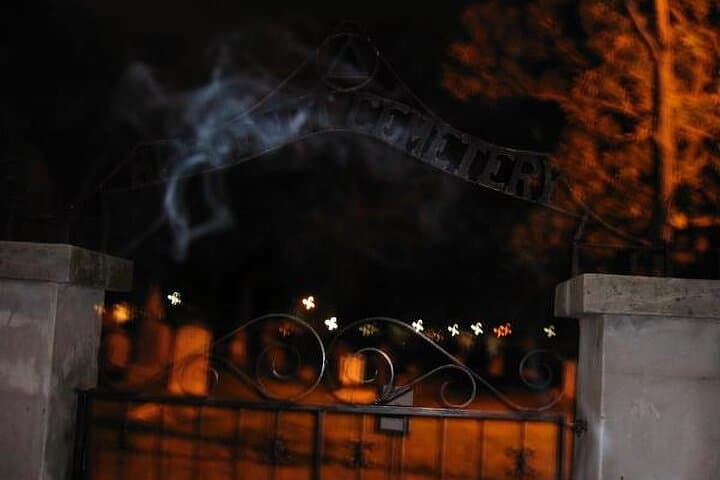
Night falls along St. Augustine’s narrow streets and the city seems to lean in close: salt-scented air from Matanzas Bay, the scrape of coquina underfoot, and the long shadows of old lampposts daring you to keep walking. This 2½-hour walking tour threads through alleys and plazas where guide Charlie recounts murders, epidemics and the lesser-known misdeeds behind gilded facades.
Night falls along St. Augustine’s narrow streets and the city seems to lean in close: salt-scented air from Matanzas Bay, the scrape of coquina underfoot, and the long shadows of old lampposts daring you to keep walking. This 2½-hour walking tour threads through alleys and plazas where guide Charlie recounts murders, epidemics and the lesser-known misdeeds behind gilded facades.
St. Augustine is America’s oldest continuously occupied European settlement, founded in 1565. The city’s geology—coquina limestone quarried from nearby shores—built fortresses like Castillo de San Marcos that watched over colonial conflict and maritime crime. Flagler-era hotels and a Catholic cemetery over an earlier Native American burial ground layer the town’s stories: prosperity, exploitation, grief.
On this route you’ll pass the Spanish Military Hospital, the old Warden Castle and a lost cemetery; each stop links architecture to rumor, from pirate plunder to Victorian-era psychics. The tour leans into local lore while pointing to concrete history and the physical traces left on buildings and streets.
Practical side: meet in front of the Spanish Military Hospital Museum; expect 1.5–2 miles on uneven, often cobbled pavement and stairs—moderate fitness recommended. Bring a headlamp or phone light, closed-toe shoes, a water bottle and a light layer for coastal breezes. Tours run nightly; cancellations are refundable up to 24 hours. The experience is best after dark for atmosphere, but prepare for crowds in summer and slippery surfaces in rain. Walk respectfully—these are real sites with living neighbors and fragile historic fabric.