THE ADVENTURE COLLECTIVE® · Independent discovery and booking for outdoor travel

Ride a 21-stop circuit through St. Augustine’s colonial streets, Flagler mansions and waterfront viewpoints. This hop-on hop-off trolley pairs live narration with included museum admission, making it the easiest way to see the city’s top historic sites.
Ride a 21-stop circuit through St. Augustine’s colonial streets, Flagler mansions and waterfront viewpoints. This hop-on hop-off trolley pairs live narration with included museum admission, making it the easiest way to see the city’s top historic sites.
You step off the trolley into a strip of sun-bright Spanish tile and the salt air of the Matanzas River nudges the street toward the sea. The Old Town Trolley rolls on, its conductor narrating the next turn while visitors linger at a fort, a museum or a shaded plaza.
Verified experiences and guided adventures in the surrounding area.
Operated by Historic Tours Of America · St. Augustine, Florida
You step off the trolley into a strip of sun-bright Spanish tile and the salt air of the Matanzas River nudges the street toward the sea. The Old Town Trolley rolls on, its conductor narrating the next turn while visitors linger at a fort, a museum or a shaded plaza.
St. Augustine was founded in 1565 by Pedro Menéndez de Avilés; the city’s streets and masonry tell a layered story of Spanish colonial design, Gilded Age mansions and coastal trade. Geologically, the area sits on limestone bedrock boxed by tidal marshes and Atlantic sand — expect flat, paved streets that give way to occasional brick or cobblestone in historic blocks. Culturally, the route threads through Flagler-era churches, the Castillo de San Marcos, the Fountain of Youth and small museums that explain local maritime and colonial history.
The hop-on hop-off format covers 21 stops and a full loop runs about 90 minutes without stops; trolleys operate roughly 9 a.m.–4:30 p.m. with vehicles every 15–20 minutes. Your ticket includes admission to the St. Augustine History Museum and allows flexible exploration: plan 30–90 minutes at major sites, wear sturdy shoes for uneven brick, and carry sun protection. Morning rides give cooler temperatures and softer light for photos; late afternoon means quieter museums but fewer service windows.
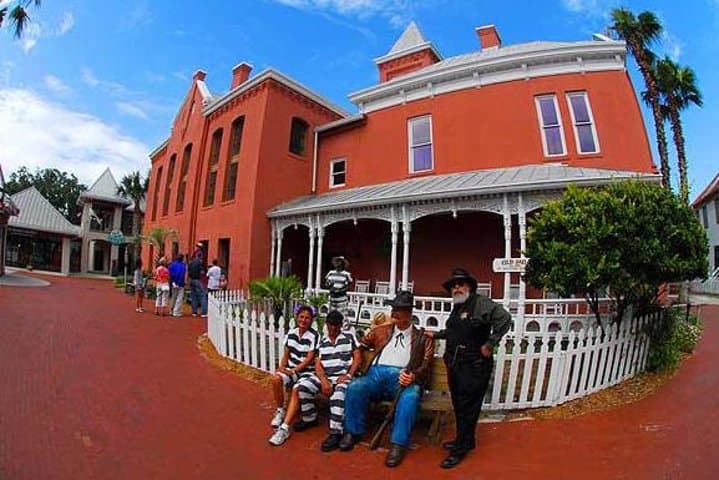
Practical tips: board at a central stop if you want direct access to the Castillo, bring a refillable water bottle, and allow extra time for parking at the Old Jail Complex if you plan to drive. The trolley is wheelchair accessible and stroller-friendly, making it an efficient, low-effort way to orient yourself to America’s oldest continuously occupied European-established settlement.
easy.
1.5–3 hours.
Suitable for most fitness levels; participants should be able to stand for up to 90 minutes and walk short distances.
Yes — the ticket lets you board at any of the 21 stops throughout the route during operating hours.
Yes — admission to the St. Augustine History Museum is included with the trolley ticket.
The service is wheelchair accessible; call ahead for details about specific vehicle accommodations if you need assistance.
A non-stop full loop takes about 90 minutes; actual time depends on how long passengers stay at each stop.
Founded in 1565 by Pedro Menéndez de Avilés, St. Augustine preserves Spanish colonial military architecture like the Castillo de San Marcos alongside Gilded Age Flagler-era buildings.
Coastal development and tourism put pressure on salt marshes and historic structures; stay on marked paths, avoid feeding wildlife, and support local preservation efforts.
Historic Tours Of America operates guided outdoor trips and adventures with an emphasis on safety, stewardship, and memorable experiences.
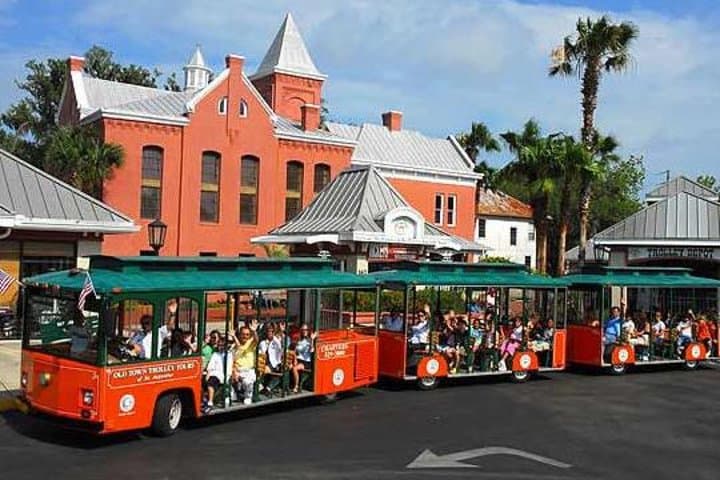
You step off the trolley into a strip of sun-bright Spanish tile and the salt air of the Matanzas River nudges the street toward the sea. The Old Town Trolley rolls on, its conductor narrating the next turn while visitors linger at a fort, a museum or a shaded plaza.
You step off the trolley into a strip of sun-bright Spanish tile and the salt air of the Matanzas River nudges the street toward the sea. The Old Town Trolley rolls on, its conductor narrating the next turn while visitors linger at a fort, a museum or a shaded plaza.
St. Augustine was founded in 1565 by Pedro Menéndez de Avilés; the city’s streets and masonry tell a layered story of Spanish colonial design, Gilded Age mansions and coastal trade. Geologically, the area sits on limestone bedrock boxed by tidal marshes and Atlantic sand — expect flat, paved streets that give way to occasional brick or cobblestone in historic blocks. Culturally, the route threads through Flagler-era churches, the Castillo de San Marcos, the Fountain of Youth and small museums that explain local maritime and colonial history.
The hop-on hop-off format covers 21 stops and a full loop runs about 90 minutes without stops; trolleys operate roughly 9 a.m.–4:30 p.m. with vehicles every 15–20 minutes. Your ticket includes admission to the St. Augustine History Museum and allows flexible exploration: plan 30–90 minutes at major sites, wear sturdy shoes for uneven brick, and carry sun protection. Morning rides give cooler temperatures and softer light for photos; late afternoon means quieter museums but fewer service windows.
Practical tips: board at a central stop if you want direct access to the Castillo, bring a refillable water bottle, and allow extra time for parking at the Old Jail Complex if you plan to drive. The trolley is wheelchair accessible and stroller-friendly, making it an efficient, low-effort way to orient yourself to America’s oldest continuously occupied European-established settlement.