THE ADVENTURE COLLECTIVE® · Independent discovery and booking for outdoor travel

Walk the old city gate and let an audio guide narrate 450 years of ghosts, storms, and unsolved crimes. This self-guided VoiceMap tour combines local lore, historical records, and GPS-triggered narration you can run at your own pace.
Walk the old city gate and let an audio guide narrate 450 years of ghosts, storms, and unsolved crimes. This self-guided VoiceMap tour combines local lore, historical records, and GPS-triggered narration you can run at your own pace.
Start on a warm, salt-tinged evening at the old city gate and you’ll feel St. Augustine shift from a tourist town to a place that remembers. The stones at your feet are not just pavement; they hold accounts of storms, sieges, and nights kept watch by sentries. As the audio begins, voices place you beside bakeries, cemeteries, and the fortified walls where the past keeps a steady pulse.
Verified experiences and guided adventures in the surrounding area.
Operated by VoiceMap Audio Tours · St. Augustine, Florida
Start on a warm, salt-tinged evening at the old city gate and you’ll feel St. Augustine shift from a tourist town to a place that remembers. The stones at your feet are not just pavement; they hold accounts of storms, sieges, and nights kept watch by sentries. As the audio begins, voices place you beside bakeries, cemeteries, and the fortified walls where the past keeps a steady pulse.
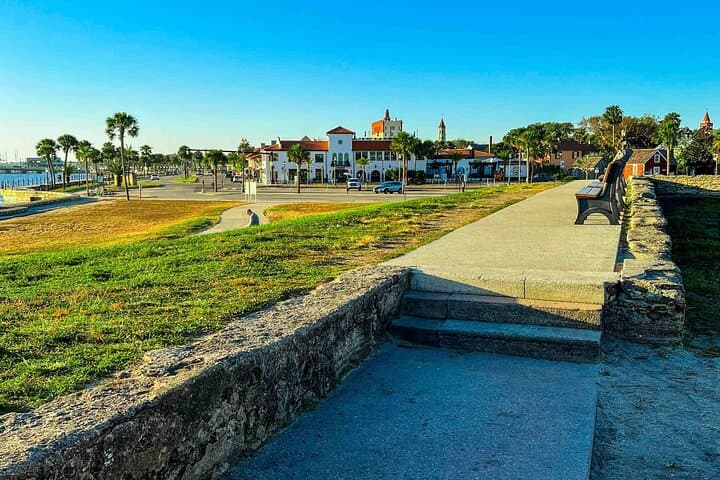
Founded in 1565, St. Augustine is the oldest continuously occupied European settlement in the continental U.S., and its streets layer Spanish, British, and American stories. The shoreline here is young—sandy spits and tidal flats built over millennia—while the masonry of Castillo de San Marcos tells a different geological tale: coquina rock forged from shell fragments, surprisingly resilient and oddly human in texture.
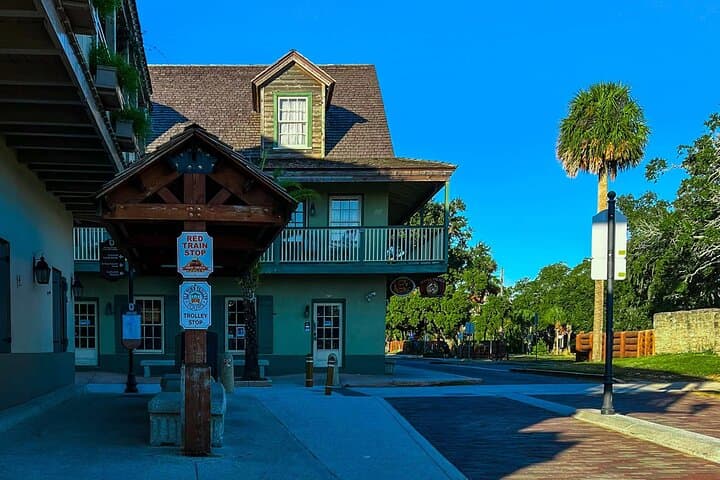
Culture hangs in everyday details: a Spanish-style balcony, a cemetery gate polished by hands that have closed it for centuries, and local guides who still pass down the city’s darker accounts. You’ll hear about Tillie’s apparition at Tolomato Cemetery and violent episodes at Pena Peck house; the app strings local oral history with archive records for context.
Practical side: download the VoiceMap tour and test playback before you arrive; GPS triggers are precise but start in the right spot. Bring headphones, a fully charged phone or power bank, and comfortable shoes—the route is paved but includes curbs and occasional uneven bricks. The tour runs 60–90 minutes; pace yourself to linger at viewpoints or duck into museums (admissions separate). Weather can flip in a Florida hour—carry water and a light rain layer. Follow the map and the narration, and the city will do the rest: its stones will tell you exactly where to listen.
easy.
60–90 minutes.
Suitable for all fitness levels; requires standing and walking on paved streets for up to 90 minutes.
No — this is a self-guided audio tour delivered through the VoiceMap app; you control start, pause, and pace.
Yes — redeem your code, download the tour files in the app before you leave, and run it without mobile data.
Much of the historic district is paved, but there are narrow sidewalks, curbs, and uneven bricks; accessibility varies by block—contact local visitor services for specific routes.
All sales are final; the booking is non-refundable according to the tour’s policy.
Established in 1565 by Spanish explorers, St. Augustine’s streets record colonial contests, maritime trade, and centuries of daily life under changing flags.
The historic district is sensitive to foot traffic and coastal erosion; stay on paved routes, respect private property, and support local preservation efforts by paying entry fees at museums and donating when possible.
VoiceMap Audio Tours operates guided outdoor trips and adventures with an emphasis on safety, stewardship, and memorable experiences.

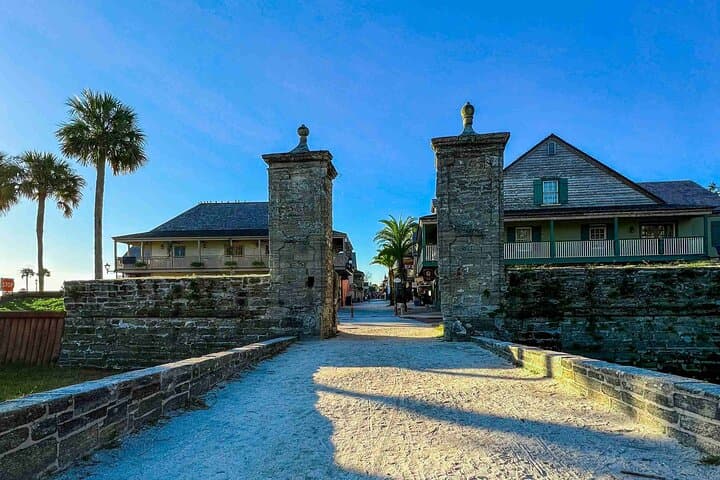
Start on a warm, salt-tinged evening at the old city gate and you’ll feel St. Augustine shift from a tourist town to a place that remembers. The stones at your feet are not just pavement; they hold accounts of storms, sieges, and nights kept watch by sentries. As the audio begins, voices place you beside bakeries, cemeteries, and the fortified walls where the past keeps a steady pulse.
Start on a warm, salt-tinged evening at the old city gate and you’ll feel St. Augustine shift from a tourist town to a place that remembers. The stones at your feet are not just pavement; they hold accounts of storms, sieges, and nights kept watch by sentries. As the audio begins, voices place you beside bakeries, cemeteries, and the fortified walls where the past keeps a steady pulse.
Founded in 1565, St. Augustine is the oldest continuously occupied European settlement in the continental U.S., and its streets layer Spanish, British, and American stories. The shoreline here is young—sandy spits and tidal flats built over millennia—while the masonry of Castillo de San Marcos tells a different geological tale: coquina rock forged from shell fragments, surprisingly resilient and oddly human in texture.
Culture hangs in everyday details: a Spanish-style balcony, a cemetery gate polished by hands that have closed it for centuries, and local guides who still pass down the city’s darker accounts. You’ll hear about Tillie’s apparition at Tolomato Cemetery and violent episodes at Pena Peck house; the app strings local oral history with archive records for context.
Practical side: download the VoiceMap tour and test playback before you arrive; GPS triggers are precise but start in the right spot. Bring headphones, a fully charged phone or power bank, and comfortable shoes—the route is paved but includes curbs and occasional uneven bricks. The tour runs 60–90 minutes; pace yourself to linger at viewpoints or duck into museums (admissions separate). Weather can flip in a Florida hour—carry water and a light rain layer. Follow the map and the narration, and the city will do the rest: its stones will tell you exactly where to listen.