THE ADVENTURE COLLECTIVE® · Independent discovery and booking for outdoor travel

Walk St. Augustine’s oldest streets and stand over lost burials with an archaeological lens. This 90-minute guided ghost walk combines excavation evidence, audio recordings, and local lore for an investigative urban night tour.
Walk St. Augustine’s oldest streets and stand over lost burials with an archaeological lens. This 90-minute guided ghost walk combines excavation evidence, audio recordings, and local lore for an investigative urban night tour.
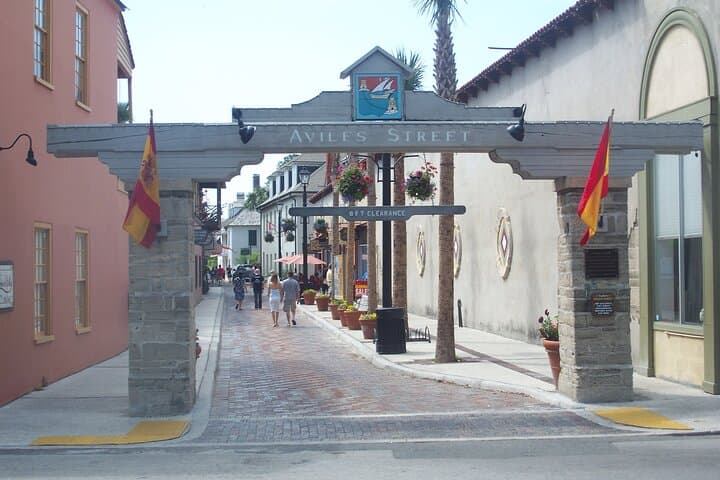
The night air on Aviles Street feels like a turned page: warm, salt-sweet, and threaded with footsteps from centuries past. Under muted streetlights a small group follows a guide whose voice moves easily between archival fact and frontier rumor, stopping at a long-forgotten churchyard, a pier where water masks old crimes, and the Huguenot Cemetery where markers are missing and stories remain.
Verified experiences and guided adventures in the surrounding area.
Operated by Last Ghost Tour · St. Augustine, Florida
The night air on Aviles Street feels like a turned page: warm, salt-sweet, and threaded with footsteps from centuries past. Under muted streetlights a small group follows a guide whose voice moves easily between archival fact and frontier rumor, stopping at a long-forgotten churchyard, a pier where water masks old crimes, and the Huguenot Cemetery where markers are missing and stories remain.
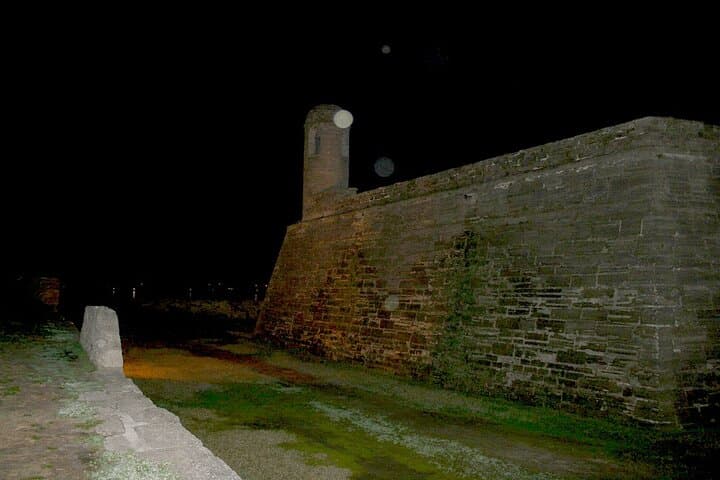
St. Augustine’s stones are written in Spanish, British and American hands — colonial conflict, maritime trade and contested ground shaped both the city and its dead. Geologically, the town sits on coquina shores and marshy flats; storm surge and urban growth have shifted shorelines and, in places, buried burials beneath modern streets. Cultural layers here include Indigenous histories, early European settlement, and 19th-century revival cemeteries; archaeological evidence cited on the walk ties physical finds to these narratives.
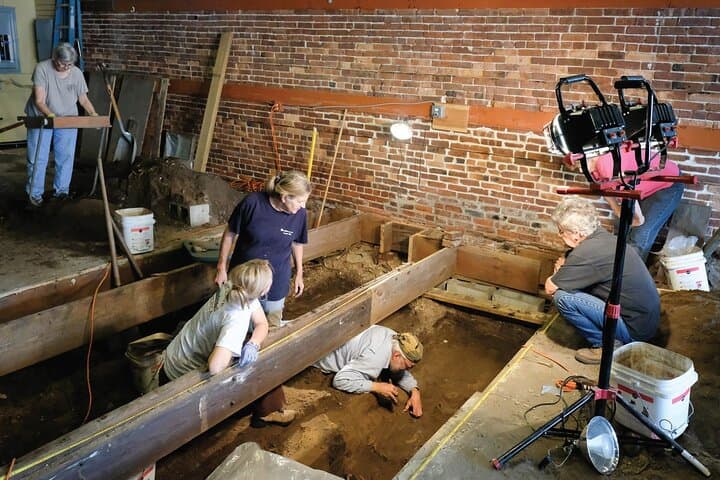
Expect a paced 90-minute walking route over sidewalks, cobbles and a short pier with uneven footing. The guide presents photographs, EVP audio and excavation notes alongside oral histories, so the experience feels part walking history lesson, part investigative field report.
Practical guidance: wear sturdy shoes, bring a small light and water, and arrive 10 minutes early to check in. Photography may be allowed but respect fenced graves and posted signs; these sites are fragile and often legally protected. This tour suits anyone with moderate mobility and curiosity for forensic history — it’s less about jump scares and more about encountering the city’s buried past with evidence in hand.
moderate.
1.5 hours.
Requires the ability to walk and stand for up to 90 minutes with brief stops; moderate mobility recommended.
Older children who can walk 90 minutes and handle mature themes may enjoy it; the tour includes archaeological detail and discussion of historic deaths, so parental discretion is advised.
Yes — bookings are required and the supplier offers instant confirmation; arrive early to check in at the meeting point.
Because the route includes uneven sidewalks, cobblestones and a pier, full wheelchair accessibility is limited; contact the operator to discuss accommodations.
Photography of public exteriors is generally allowed, but avoid flash at sensitive displays or fenced graves and follow guide instructions regarding equipment use.
St. Augustine is the oldest continuously occupied European-established settlement in the continental U.S., and layers of colonial contestation left complex burial histories and lost cemeteries.
Many burial sites are fragile and legally protected; visitors should stay on paths, avoid touching markers, and support local preservation efforts by following posted rules.
Last Ghost Tour operates guided outdoor trips and adventures with an emphasis on safety, stewardship, and memorable experiences.

The night air on Aviles Street feels like a turned page: warm, salt-sweet, and threaded with footsteps from centuries past. Under muted streetlights a small group follows a guide whose voice moves easily between archival fact and frontier rumor, stopping at a long-forgotten churchyard, a pier where water masks old crimes, and the Huguenot Cemetery where markers are missing and stories remain.
The night air on Aviles Street feels like a turned page: warm, salt-sweet, and threaded with footsteps from centuries past. Under muted streetlights a small group follows a guide whose voice moves easily between archival fact and frontier rumor, stopping at a long-forgotten churchyard, a pier where water masks old crimes, and the Huguenot Cemetery where markers are missing and stories remain.
St. Augustine’s stones are written in Spanish, British and American hands — colonial conflict, maritime trade and contested ground shaped both the city and its dead. Geologically, the town sits on coquina shores and marshy flats; storm surge and urban growth have shifted shorelines and, in places, buried burials beneath modern streets. Cultural layers here include Indigenous histories, early European settlement, and 19th-century revival cemeteries; archaeological evidence cited on the walk ties physical finds to these narratives.
Expect a paced 90-minute walking route over sidewalks, cobbles and a short pier with uneven footing. The guide presents photographs, EVP audio and excavation notes alongside oral histories, so the experience feels part walking history lesson, part investigative field report.
Practical guidance: wear sturdy shoes, bring a small light and water, and arrive 10 minutes early to check in. Photography may be allowed but respect fenced graves and posted signs; these sites are fragile and often legally protected. This tour suits anyone with moderate mobility and curiosity for forensic history — it’s less about jump scares and more about encountering the city’s buried past with evidence in hand.