THE ADVENTURE COLLECTIVE® · Independent discovery and booking for outdoor travel

A 90-minute evening walking tour through historic St. Augustine that pairs researched local history with recorded paranormal evidence at sites like the Castillo de San Marcos and Tolomato Cemetery. Guides present EVP audio and photos while debunking myths and explaining the city’s colonial past.
A 90-minute evening walking tour through historic St. Augustine that pairs researched local history with recorded paranormal evidence at sites like the Castillo de San Marcos and Tolomato Cemetery. Guides present EVP audio and photos while debunking myths and explaining the city’s colonial past.
Night drapes over St. Augustine and the Atlantic breeze dares you to step closer to the city’s older edges. Lanterns and streetlights carve long shadows along cobblestone Aviles Street as a guide leads a small group past the fortress walls of Castillo de San Marcos, where coquina blocks still hold the imprint of centuries of sea and siege.
Verified experiences and guided adventures in the surrounding area.
Operated by Afterlife Tours · St. Augustine, Florida
Night drapes over St. Augustine and the Atlantic breeze dares you to step closer to the city’s older edges. Lanterns and streetlights carve long shadows along cobblestone Aviles Street as a guide leads a small group past the fortress walls of Castillo de San Marcos, where coquina blocks still hold the imprint of centuries of sea and siege.
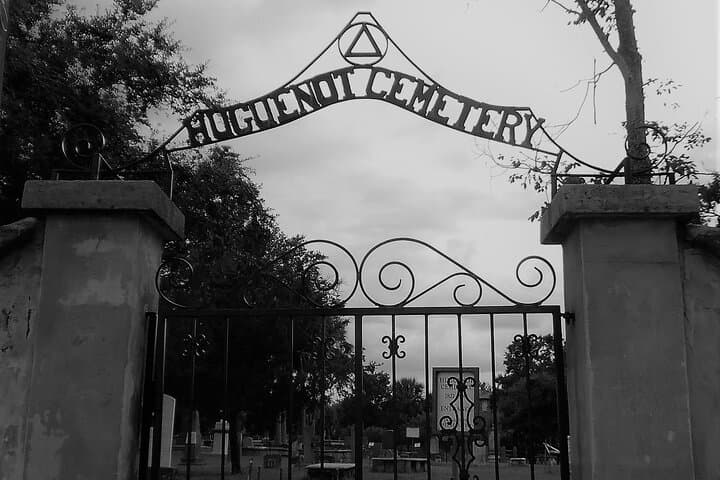
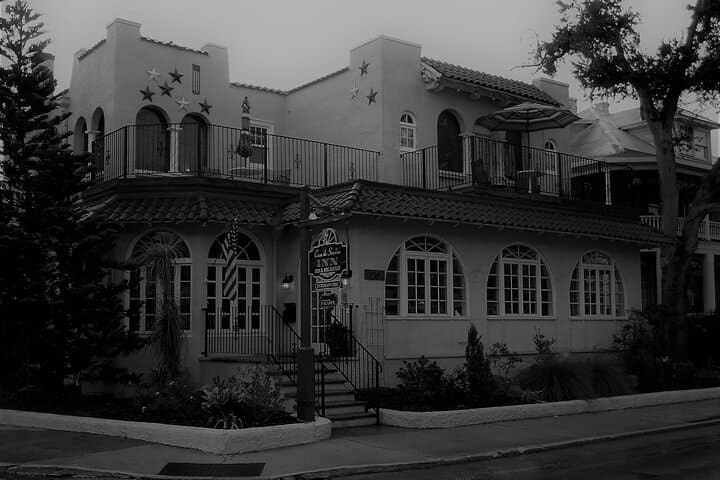
The tour threads together documented histories and on-site paranormal evidence: EVP clips, photos and video the team collected at Tolomato and Huguenot cemeteries, a former funeral home turned Casa de Suenos, and properties long tied to St. Augustine’s colonial past. The narrative balances the city’s Spanish and British colonial layers with 19th-century burial practices and the gritty material history of the fort’s coquina — geology that one can see and touch as the guide explains cannon-era conflicts and later civic life.
Expect a paced 90-minute walk of roughly a mile through well-lit streets and cemetery gates, stopping to present recorded audio and visual investigations at each site. The experience is as much about municipal memory as it is about the unexplained; hosts fact-check urban legend claims and place each sighting in historical context.
Practical notes: bring sturdy shoes, a light, and a jacket—the coastal wind cools quickly after sunset. Photography is encouraged but respectful behavior in active cemeteries and private-property boundaries is required. The walk is accessible to most fitness levels and offers an unusually concrete way to read St. Augustine’s overlapping human and physical landscapes after dark.
easy.
1.5 hours.
Suitable for most fitness levels; requires walking ~1 mile with short stops and some standing.
The tour runs about 90 minutes and covers roughly one mile of walking with multiple short stops.
The operator notes stroller access and that the tour is suitable for all physical fitness levels; parents should consider the late hour and subject matter for younger children.
Stops are generally outside gate areas and on public sidewalks; guides present evidence at each stop without requiring entry to private buildings.
The tour may be canceled for severe weather; check cancellation rules which allow full refunds if canceled at least 24 hours prior.
St. Augustine is the oldest continuously occupied European-established settlement in the continental U.S.; the Castillo de San Marcos is a 17th-century coquina fort built by the Spanish to defend the harbor.
Visitors should stay on established walkways and avoid disturbing vegetation or graves; supporting local preservation groups helps maintain historic structures and cemetery upkeep.
Afterlife Tours operates guided outdoor trips and adventures with an emphasis on safety, stewardship, and memorable experiences.

Night drapes over St. Augustine and the Atlantic breeze dares you to step closer to the city’s older edges. Lanterns and streetlights carve long shadows along cobblestone Aviles Street as a guide leads a small group past the fortress walls of Castillo de San Marcos, where coquina blocks still hold the imprint of centuries of sea and siege.
Night drapes over St. Augustine and the Atlantic breeze dares you to step closer to the city’s older edges. Lanterns and streetlights carve long shadows along cobblestone Aviles Street as a guide leads a small group past the fortress walls of Castillo de San Marcos, where coquina blocks still hold the imprint of centuries of sea and siege.
The tour threads together documented histories and on-site paranormal evidence: EVP clips, photos and video the team collected at Tolomato and Huguenot cemeteries, a former funeral home turned Casa de Suenos, and properties long tied to St. Augustine’s colonial past. The narrative balances the city’s Spanish and British colonial layers with 19th-century burial practices and the gritty material history of the fort’s coquina — geology that one can see and touch as the guide explains cannon-era conflicts and later civic life.
Expect a paced 90-minute walk of roughly a mile through well-lit streets and cemetery gates, stopping to present recorded audio and visual investigations at each site. The experience is as much about municipal memory as it is about the unexplained; hosts fact-check urban legend claims and place each sighting in historical context.
Practical notes: bring sturdy shoes, a light, and a jacket—the coastal wind cools quickly after sunset. Photography is encouraged but respectful behavior in active cemeteries and private-property boundaries is required. The walk is accessible to most fitness levels and offers an unusually concrete way to read St. Augustine’s overlapping human and physical landscapes after dark.