THE ADVENTURE COLLECTIVE® · Independent discovery and booking for outdoor travel

Walk the Old Course with an expert guide and hear how golf grew from medieval stick-and-ball games into the modern sport. This 75-minute tour covers iconic sites—Swilcan Bridge, the Road Hole—and ends with local tips and a Jigger Inn recommendation.
Walk the Old Course with an expert guide and hear how golf grew from medieval stick-and-ball games into the modern sport. This 75-minute tour covers iconic sites—Swilcan Bridge, the Road Hole—and ends with local tips and a Jigger Inn recommendation.
You step onto wind-cut grass where the North Sea edges the horizon and the fairways slope like pages turned by centuries of play. The guide leads with a map and a voice calibrated for both enthusiasts and curious walkers; the wind dares your umbrella, the Swilcan Bridge invites a photograph and a quiet moment of perspective.
Verified experiences and guided adventures in the surrounding area.
Operated by St Andrews Tours · St Andrews, Fife
You step onto wind-cut grass where the North Sea edges the horizon and the fairways slope like pages turned by centuries of play. The guide leads with a map and a voice calibrated for both enthusiasts and curious walkers; the wind dares your umbrella, the Swilcan Bridge invites a photograph and a quiet moment of perspective.
The Old Course evolved from medieval linksland and 18th- and 19th-century innovations by figures such as Old Tom Morris. The tour traces golf’s route from simple stick-and-ball play in the Low Countries to the formalized rules and 18-hole standard that crystallized here, and touches on The Open Championship and the Dunhill links that put St Andrews on the modern map.
Geologically, the links are sandy, well-drained ridges and hollows sculpted by coastal winds and human maintenance; that geology shapes shot-making and the course’s quirky hole locations. Culturally, the town retains a caddie tradition, a vibrant university, and small institutions—the Jigger Inn and the Himalayas practice green—where players compare stories.
Practical guidance: the guided walk runs about 75 minutes, mostly on firm turf and gentle slopes—bring waterproof layers, sturdy walking shoes, and a camera. Tours aren’t run November–February and avoid championship days; Sundays sometimes allow fairway access. Respect ongoing play: stay off tees and greens, follow your guide’s route, and expect open, exposed weather. Finish near the Jigger Inn for a drink and local recommendations if you have time—this tour is as much about place and history as it is about shots.
easy.
1–1.5 hours.
Suitable for people with moderate mobility; involves walking on uneven turf and gentle slopes.
On certain days—typically Sundays and when no tournament is scheduled—the guide may walk across fairways; championship and Dunhill days are excluded.
Tours are not recommended for children under five and are unsuitable for strollers, crutches, or mobility aids due to turf and steps.
No; the tour finishes near the Jigger Inn where you can purchase food and drinks independently.
Tours require a fluent command of English; translation or slowed speech is not provided.
St Andrews developed as a center for golf through incremental changes from 13th-century links play to 18-hole standards refined by local greenskeepers and players.
The links rely on careful turf management and dune protection—stay on designated paths when instructed and avoid disturbing nesting birds in season.
St Andrews Tours operates guided outdoor trips and adventures with an emphasis on safety, stewardship, and memorable experiences.
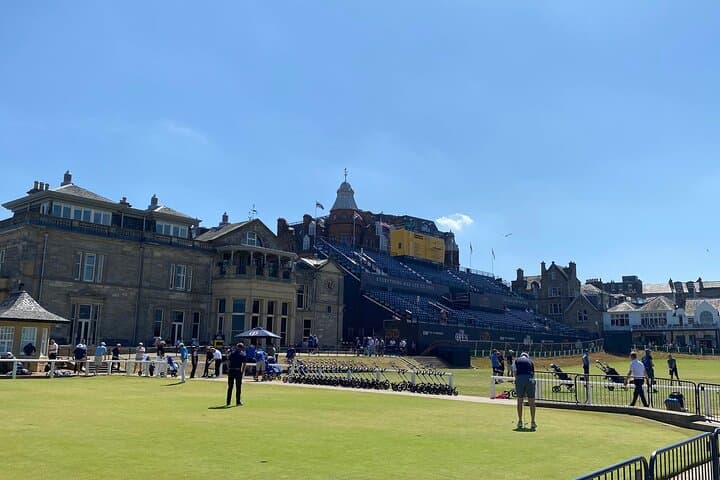
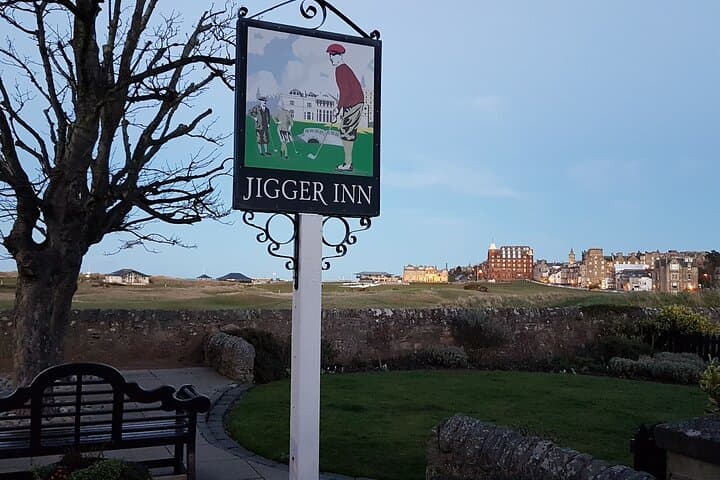

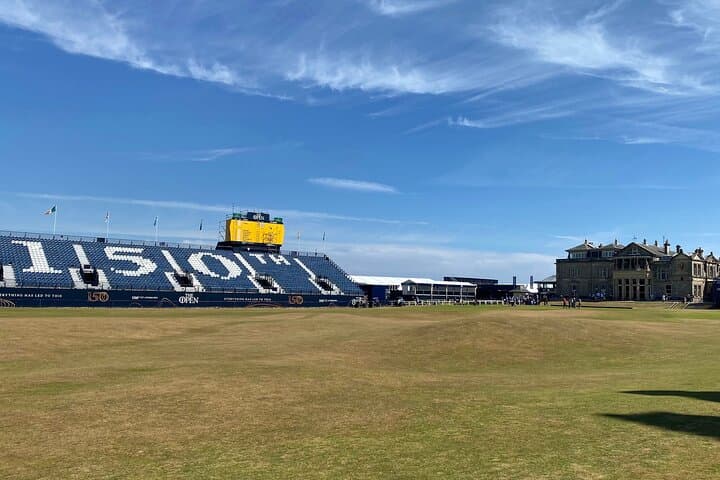
You step onto wind-cut grass where the North Sea edges the horizon and the fairways slope like pages turned by centuries of play. The guide leads with a map and a voice calibrated for both enthusiasts and curious walkers; the wind dares your umbrella, the Swilcan Bridge invites a photograph and a quiet moment of perspective.
You step onto wind-cut grass where the North Sea edges the horizon and the fairways slope like pages turned by centuries of play. The guide leads with a map and a voice calibrated for both enthusiasts and curious walkers; the wind dares your umbrella, the Swilcan Bridge invites a photograph and a quiet moment of perspective.
The Old Course evolved from medieval linksland and 18th- and 19th-century innovations by figures such as Old Tom Morris. The tour traces golf’s route from simple stick-and-ball play in the Low Countries to the formalized rules and 18-hole standard that crystallized here, and touches on The Open Championship and the Dunhill links that put St Andrews on the modern map.
Geologically, the links are sandy, well-drained ridges and hollows sculpted by coastal winds and human maintenance; that geology shapes shot-making and the course’s quirky hole locations. Culturally, the town retains a caddie tradition, a vibrant university, and small institutions—the Jigger Inn and the Himalayas practice green—where players compare stories.
Practical guidance: the guided walk runs about 75 minutes, mostly on firm turf and gentle slopes—bring waterproof layers, sturdy walking shoes, and a camera. Tours aren’t run November–February and avoid championship days; Sundays sometimes allow fairway access. Respect ongoing play: stay off tees and greens, follow your guide’s route, and expect open, exposed weather. Finish near the Jigger Inn for a drink and local recommendations if you have time—this tour is as much about place and history as it is about shots.