THE ADVENTURE COLLECTIVE® · Independent discovery and booking for outdoor travel

Cross the Forth, walk the edges of the Old Course and explore Falkland Palace on a well-paced half-day tour from Edinburgh. Perfect for golf fans and history lovers, the journey blends coastal scenery, ruined cathedrals and royal chambers with two hours of free time in St Andrews.
Cross the Forth, walk the edges of the Old Course and explore Falkland Palace on a well-paced half-day tour from Edinburgh. Perfect for golf fans and history lovers, the journey blends coastal scenery, ruined cathedrals and royal chambers with two hours of free time in St Andrews.
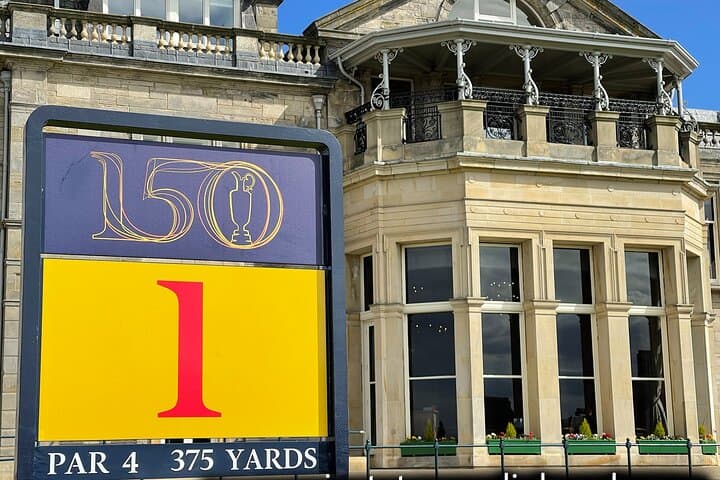
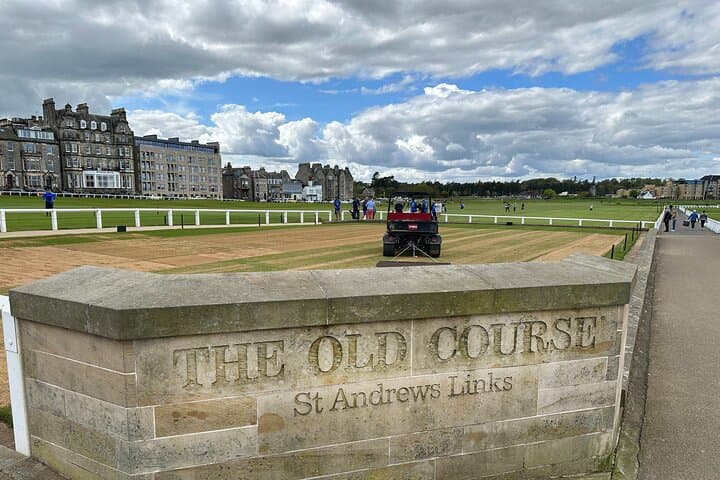
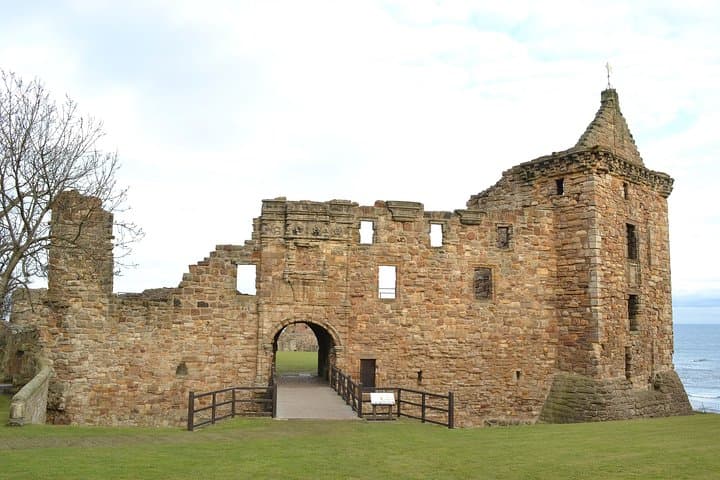
A morning on the Queensferry Crossing puts the Forth Bridge in the rearview and exposes the coastline’s sharp edges: limestone cliffs, tidal flats and fishing harbours that have fed Fife for centuries. By mid-morning the coach eases into St Andrews, where wind from the North Sea pushes through the ruins of a cathedral and across the Old Course’s vast, undulating fairways.
Verified experiences and guided adventures in the surrounding area.
Operated by Private tours Edinburgh · St Andrews, Scotland
A morning on the Queensferry Crossing puts the Forth Bridge in the rearview and exposes the coastline’s sharp edges: limestone cliffs, tidal flats and fishing harbours that have fed Fife for centuries. By mid-morning the coach eases into St Andrews, where wind from the North Sea pushes through the ruins of a cathedral and across the Old Course’s vast, undulating fairways.
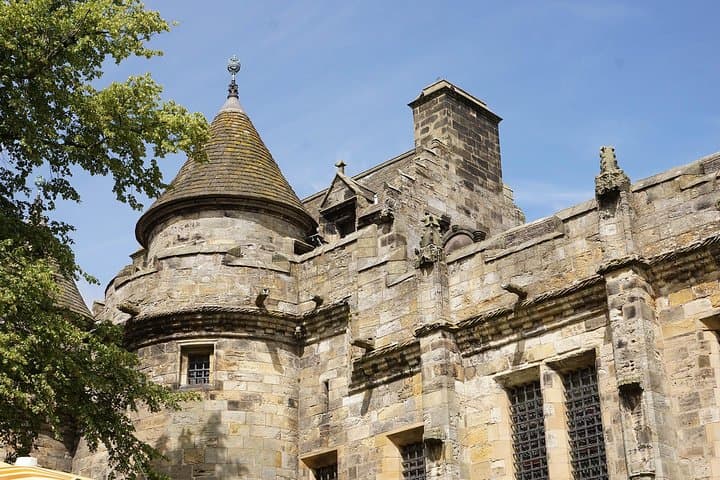
St Andrews is layered history — a cradle of Scottish education, the birthplace of modern golf, and a medieval ecclesiastical center whose cathedral fell into ruin after the Reformation. Geology here is honest: compact sandstone and glacial deposits shape the dune-backed links and pebble beaches. A short drive inland drops you into Falkland, a royal hunting lodge-turned-palace with the world’s oldest tennis court and visible Outlander filming locations. The former fishing village of Anstruther offers a quieter counterpoint—harbour views and local seafood that speak to the town’s maritime economy.
Practically, expect a mix of walking and short drives over a six-hour window. The tour provides two hours of free time in St Andrews — useful for a museum stop, a quick look around the Old Course, or lunch at a café where locals and students collide. Bring windproof layers, sturdy shoes for uneven stone and sand, and an appetite for history as much as scenery. The Old Course walking tour and museum often require separate admission or booking, so plan ahead if golf history is the priority.
This route pairs accessible coastal scenery with compact cultural highlights — ideal for travelers who want a concise, well-paced introduction to Fife’s coast, castles and golf heritage.
easy.
6 hours.
Suitable for most fitness levels; involves walking on uneven ground for up to two hours and short standing periods
Tours typically depart from central Edinburgh pickup points; check your booking confirmation for exact meeting locations and return details.
No — the tour provides time to visit the ruins but entrance fees for attractions like the castle or museum are usually payable on-site.
No — the walking tour of the Old Course is optional and may require separate booking or a fee.
Yes — the tour notes stroller accessibility and is family-friendly, though some castle and ruin areas have uneven ground and steps.
Fife’s coastline and towns grew from medieval trade and ecclesiastical power; St Andrews’ university dates to the early 15th century and the cathedral ruins reflect post-Reformation decline.
Coastal habitats are sensitive to trampling and dog disturbance; stick to marked paths and follow local guidance to protect dunes, nesting birds and shoreline ecosystems.
Private tours Edinburgh operates guided outdoor trips and adventures with an emphasis on safety, stewardship, and memorable experiences.
A morning on the Queensferry Crossing puts the Forth Bridge in the rearview and exposes the coastline’s sharp edges: limestone cliffs, tidal flats and fishing harbours that have fed Fife for centuries. By mid-morning the coach eases into St Andrews, where wind from the North Sea pushes through the ruins of a cathedral and across the Old Course’s vast, undulating fairways.
A morning on the Queensferry Crossing puts the Forth Bridge in the rearview and exposes the coastline’s sharp edges: limestone cliffs, tidal flats and fishing harbours that have fed Fife for centuries. By mid-morning the coach eases into St Andrews, where wind from the North Sea pushes through the ruins of a cathedral and across the Old Course’s vast, undulating fairways.
St Andrews is layered history — a cradle of Scottish education, the birthplace of modern golf, and a medieval ecclesiastical center whose cathedral fell into ruin after the Reformation. Geology here is honest: compact sandstone and glacial deposits shape the dune-backed links and pebble beaches. A short drive inland drops you into Falkland, a royal hunting lodge-turned-palace with the world’s oldest tennis court and visible Outlander filming locations. The former fishing village of Anstruther offers a quieter counterpoint—harbour views and local seafood that speak to the town’s maritime economy.
Practically, expect a mix of walking and short drives over a six-hour window. The tour provides two hours of free time in St Andrews — useful for a museum stop, a quick look around the Old Course, or lunch at a café where locals and students collide. Bring windproof layers, sturdy shoes for uneven stone and sand, and an appetite for history as much as scenery. The Old Course walking tour and museum often require separate admission or booking, so plan ahead if golf history is the priority.
This route pairs accessible coastal scenery with compact cultural highlights — ideal for travelers who want a concise, well-paced introduction to Fife’s coast, castles and golf heritage.