THE ADVENTURE COLLECTIVE® · Independent discovery and booking for outdoor travel

Spend a day tracing Fife’s coastline from Edinburgh: working harbours, ruined cathedrals and the Old Course at St Andrews. This small-group tour combines seaside views with centuries of Scottish history.
Spend a day tracing Fife’s coastline from Edinburgh: working harbours, ruined cathedrals and the Old Course at St Andrews. This small-group tour combines seaside views with centuries of Scottish history.
You step off the Mercedes mini-coach into a wind that tastes faintly of salt and peat, the Firth of Forth fanning out to the north while the town’s grey stone keeps its cool. In Anstruther, cobbles slope to a working harbour where gulls quarrel over the morning catch; in St Andrews, weathered sandstone blocks of the cathedral and castle rise like fossilized chapters of Scotland's past. The coastline alternates between low dunes, rock shelves and small harbours that have fed communities for centuries.
Verified experiences and guided adventures in the surrounding area.
Operated by Rabbies Trail Burners · St Andrews, Scotland
You step off the Mercedes mini-coach into a wind that tastes faintly of salt and peat, the Firth of Forth fanning out to the north while the town’s grey stone keeps its cool. In Anstruther, cobbles slope to a working harbour where gulls quarrel over the morning catch; in St Andrews, weathered sandstone blocks of the cathedral and castle rise like fossilized chapters of Scotland's past. The coastline alternates between low dunes, rock shelves and small harbours that have fed communities for centuries.
This route threads medieval university history, royal residence culture and maritime life. St Andrews University, founded in 1413, set the intellectual tone; the Old Course carved dunes into sporting history; Falkland Palace reflects Renaissance design adapted to Scottish climate. Geologically, the area sits on Old Red Sandstone with glacially-sculpted bays and ridgelines that influence coastal erosion and the character of each village.
Practical guidance: the tour runs about 8–9 hours with several free-time stops—plan for walking on uneven cobbles and beach sand. Wear waterproof layers and sturdy shoes; wind and rain are frequent even in summer. Bring a charged camera, cash for small cafés, and time for an unhurried walk through winding lanes. If you want to visit Falkland Palace interior or specific St Andrews attractions, check seasonal opening times in advance and allow extra time for queues.
The trip balances cultural sightseeing with seascape views—ideal for travellers who want compact history, coastal atmosphere, and easy access from Edinburgh without driving yourself.
easy.
8–9 hours.
Suitable for most fitness levels; involves short walks on uneven ground and optional stairs.
The tour is approximately 8–9 hours (510 minutes) and departs from central Edinburgh; confirm the exact meeting point on your booking voucher.
Admission to specific attractions like Falkland Palace or museum interiors is typically not included—check the itinerary and bring payment if you plan to enter.
Children under 5 are not permitted on this tour; older children are welcome but should be able to manage short walks and stairs.
Yes—stops in Anstruther, St Andrews and Falkland have cafes, fish and chips shops and small eateries; bring cash for smaller vendors.
St Andrews grew around a medieval cathedral and the university founded in 1413; the Old Course influenced golf worldwide and shaped local culture.
Coastal erosion and visitor pressure affect dunes and historic sites—stick to marked paths, avoid trampling fragile vegetation and support local businesses to sustain the communities.
Rabbies Trail Burners operates guided outdoor trips and adventures with an emphasis on safety, stewardship, and memorable experiences.
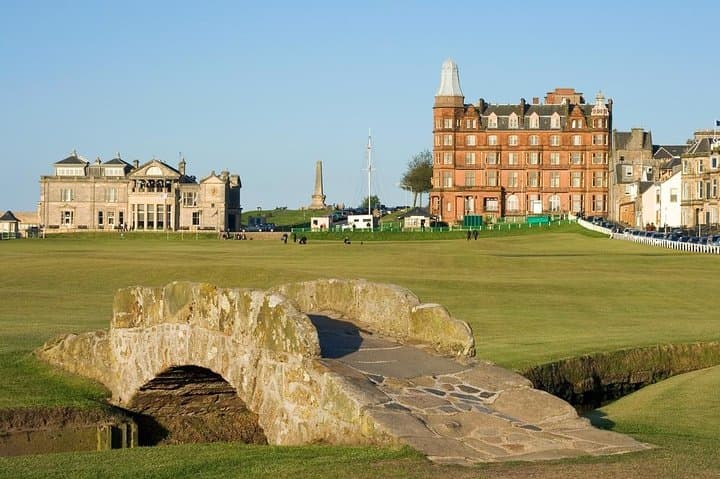
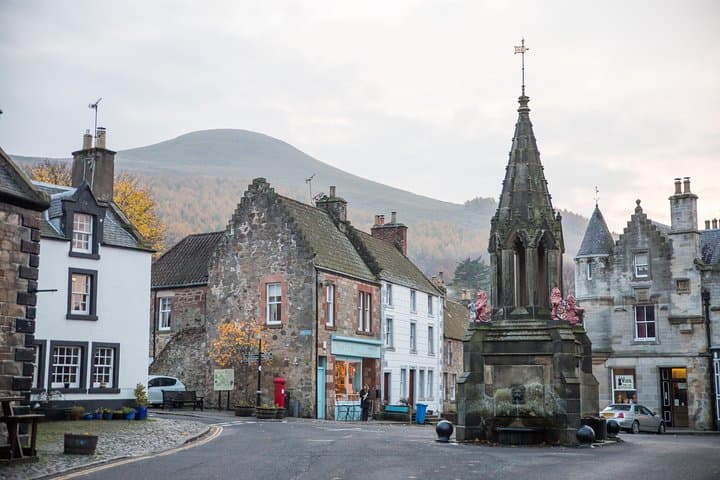

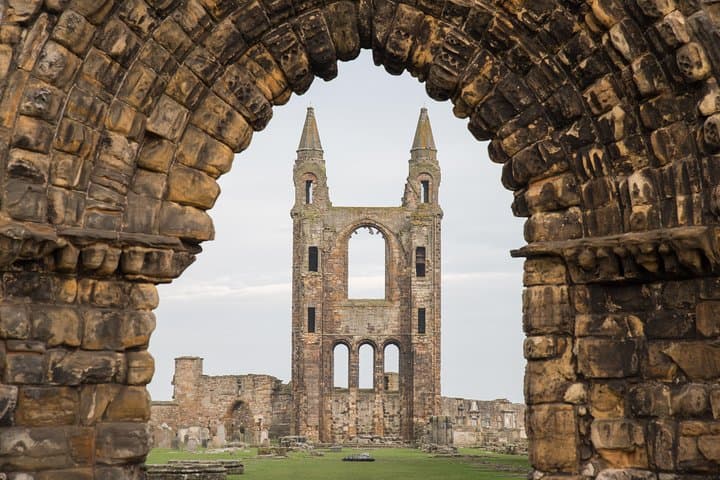
You step off the Mercedes mini-coach into a wind that tastes faintly of salt and peat, the Firth of Forth fanning out to the north while the town’s grey stone keeps its cool. In Anstruther, cobbles slope to a working harbour where gulls quarrel over the morning catch; in St Andrews, weathered sandstone blocks of the cathedral and castle rise like fossilized chapters of Scotland's past. The coastline alternates between low dunes, rock shelves and small harbours that have fed communities for centuries.
You step off the Mercedes mini-coach into a wind that tastes faintly of salt and peat, the Firth of Forth fanning out to the north while the town’s grey stone keeps its cool. In Anstruther, cobbles slope to a working harbour where gulls quarrel over the morning catch; in St Andrews, weathered sandstone blocks of the cathedral and castle rise like fossilized chapters of Scotland's past. The coastline alternates between low dunes, rock shelves and small harbours that have fed communities for centuries.
This route threads medieval university history, royal residence culture and maritime life. St Andrews University, founded in 1413, set the intellectual tone; the Old Course carved dunes into sporting history; Falkland Palace reflects Renaissance design adapted to Scottish climate. Geologically, the area sits on Old Red Sandstone with glacially-sculpted bays and ridgelines that influence coastal erosion and the character of each village.
Practical guidance: the tour runs about 8–9 hours with several free-time stops—plan for walking on uneven cobbles and beach sand. Wear waterproof layers and sturdy shoes; wind and rain are frequent even in summer. Bring a charged camera, cash for small cafés, and time for an unhurried walk through winding lanes. If you want to visit Falkland Palace interior or specific St Andrews attractions, check seasonal opening times in advance and allow extra time for queues.
The trip balances cultural sightseeing with seascape views—ideal for travellers who want compact history, coastal atmosphere, and easy access from Edinburgh without driving yourself.