THE ADVENTURE COLLECTIVE® · Independent discovery and booking for outdoor travel

Learn to breathe underwater off Pula with the SSI Open Water Diver Course: self-paced e-learning plus six supervised sea dives over 3–6 days. Ideal for first-time divers who want structured training, small groups and an introduction to the Adriatic’s limestone reefs.
Learn to breathe underwater off Pula with the SSI Open Water Diver Course: self-paced e-learning plus six supervised sea dives over 3–6 days. Ideal for first-time divers who want structured training, small groups and an introduction to the Adriatic’s limestone reefs.
A morning in Pula begins with salt on the air and the distant rumble of ferry engines as students gather on a stone quay. The SSI Open Water Diver Course moves deliberately: e-learning completed at leisure, then mornings of confined skill work and afternoons of open-water dives that graduate you from surface comfort to breathing underwater.
Verified experiences and guided adventures in the surrounding area.
Operated by Orca diving centre · Pula, Istria
A morning in Pula begins with salt on the air and the distant rumble of ferry engines as students gather on a stone quay. The SSI Open Water Diver Course moves deliberately: e-learning completed at leisure, then mornings of confined skill work and afternoons of open-water dives that graduate you from surface comfort to breathing underwater.
This stretch of the northern Adriatic carries Roman and Venetian layers—Pula’s amphitheater and limestone headlands are as much part of the dive as the sea. Geologically, the coastline is karstic limestone, creating shelf reefs, overhangs and crevice habitats that host octopus, groupers and shoals of bream. Local dive culture is practical and safety-focused, with small groups and instructors who emphasize slow descents, buoyancy, and respect for marine life.
Practically, expect six sea dives spread over three to six days (two dives a day is the typical rhythm), daily sessions running roughly 10:00–12:30 and 15:00–17:30. Theory is handled through SSI e-learning; the final exam and practical assessments are conducted by the instructor. The first five dives are on a nearby house reef—shallow, sheltered and ideal for skill-building—while the final outing is a bonus boat dive to practice navigation and group procedures.
Bring a basic level of swimming fitness, wear a shorty or full wetsuit depending on season, and arrive with a completed medical questionnaire. Hydrate, avoid alcohol between sessions, and plan a surface interval after the last dive of each day. For new divers, this course provides a structured, instructor-led path to certification and a first real conversation with the Adriatic’s underwater world.
moderate.
3–6 days (daily 4–6 hours).
Basic swimming ability and general good health; comfortable in open water and able to perform simple surface swims.
The course typically takes 3–6 days depending on how quickly you finish e-learning and the scheduling of two daily dives (morning and afternoon sessions).
Minimum ages vary by agency; SSI Open Water courses commonly accept teenagers—check operator policy but expect a lower age around 10–12 with specific junior requirements.
Yes — basic swimming ability and comfort in open water are required; swims in shallow water and confined skill training ease new divers into open-water conditions.
All participants complete a health questionnaire; certain conditions (e.g., heart disease, uncontrolled asthma) may require a physician’s clearance or prevent diving.
Pula’s coastline is shaped by Roman and Venetian eras; the harbor and limestone outcrops host dive sites once used by local fishermen.
Follow no-touch rules, use reef-safe sunscreen and avoid stirring sediment; small-group instruction reduces impact on delicate shallow reefs.
Orca diving centre operates guided outdoor trips and adventures with an emphasis on safety, stewardship, and memorable experiences.
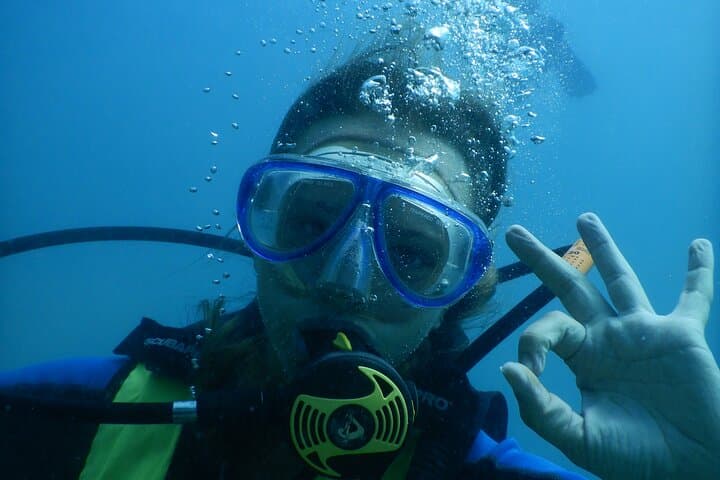
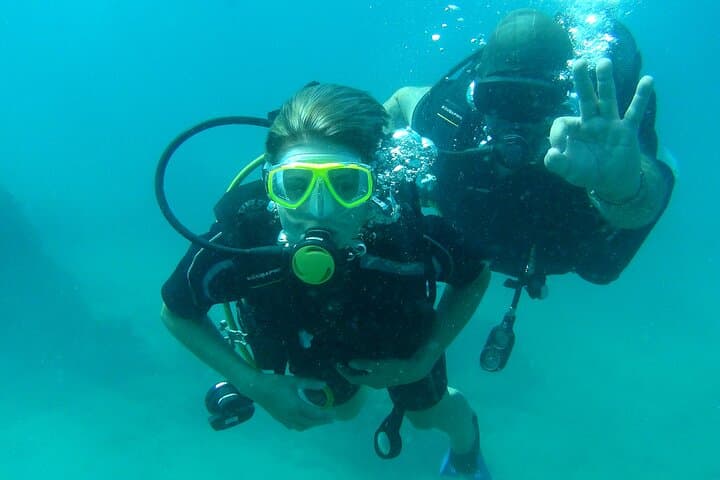
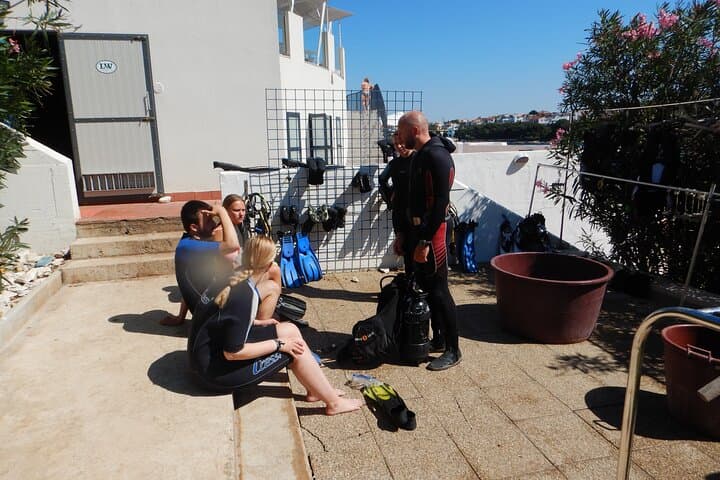
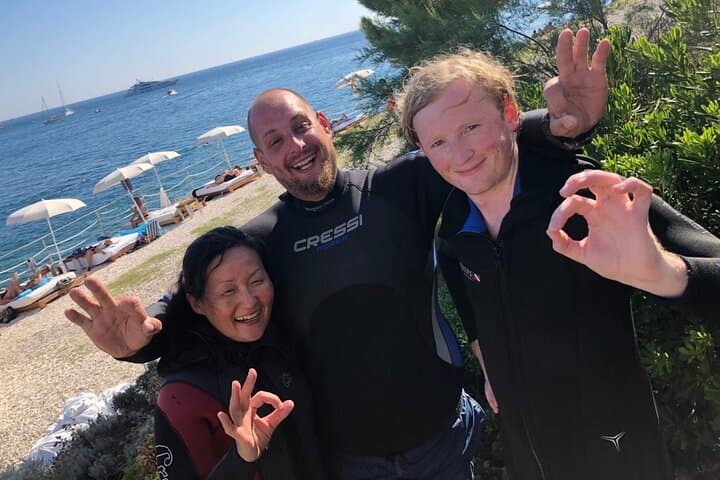
A morning in Pula begins with salt on the air and the distant rumble of ferry engines as students gather on a stone quay. The SSI Open Water Diver Course moves deliberately: e-learning completed at leisure, then mornings of confined skill work and afternoons of open-water dives that graduate you from surface comfort to breathing underwater.
A morning in Pula begins with salt on the air and the distant rumble of ferry engines as students gather on a stone quay. The SSI Open Water Diver Course moves deliberately: e-learning completed at leisure, then mornings of confined skill work and afternoons of open-water dives that graduate you from surface comfort to breathing underwater.
This stretch of the northern Adriatic carries Roman and Venetian layers—Pula’s amphitheater and limestone headlands are as much part of the dive as the sea. Geologically, the coastline is karstic limestone, creating shelf reefs, overhangs and crevice habitats that host octopus, groupers and shoals of bream. Local dive culture is practical and safety-focused, with small groups and instructors who emphasize slow descents, buoyancy, and respect for marine life.
Practically, expect six sea dives spread over three to six days (two dives a day is the typical rhythm), daily sessions running roughly 10:00–12:30 and 15:00–17:30. Theory is handled through SSI e-learning; the final exam and practical assessments are conducted by the instructor. The first five dives are on a nearby house reef—shallow, sheltered and ideal for skill-building—while the final outing is a bonus boat dive to practice navigation and group procedures.
Bring a basic level of swimming fitness, wear a shorty or full wetsuit depending on season, and arrive with a completed medical questionnaire. Hydrate, avoid alcohol between sessions, and plan a surface interval after the last dive of each day. For new divers, this course provides a structured, instructor-led path to certification and a first real conversation with the Adriatic’s underwater world.