THE ADVENTURE COLLECTIVE® · Independent discovery and booking for outdoor travel

Walk tea estates and short jungle trails in Srimangal with an eco-specialist guide. This full-day tour pairs biodiversity spotting in forest fragments with visits to tea gardens and local village life.
Walk tea estates and short jungle trails in Srimangal with an eco-specialist guide. This full-day tour pairs biodiversity spotting in forest fragments with visits to tea gardens and local village life.
You step off the vehicle into humid green—tea rows roll like low waves, and the forest beyond breathes with the rustle of leaves. Early morning mist lifts from the valleys between estates as your guide points toward a narrow trail that leads into mixed deciduous jungle. The air here tastes of wet earth and fresh tea leaves; birds call from canopy gaps and a distant stream dares you closer with a silver voice.
Verified experiences and guided adventures in the surrounding area.
Operated by Orient Tourism Channel · Srimangal, Sylhet
You step off the vehicle into humid green—tea rows roll like low waves, and the forest beyond breathes with the rustle of leaves. Early morning mist lifts from the valleys between estates as your guide points toward a narrow trail that leads into mixed deciduous jungle. The air here tastes of wet earth and fresh tea leaves; birds call from canopy gaps and a distant stream dares you closer with a silver voice.
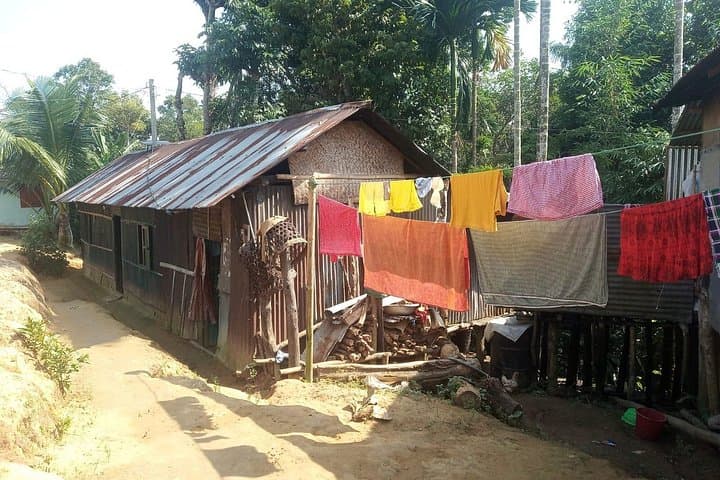
This region became a tea-growing center during the British colonial era, and the pattern of plantations shapes both the economy and the landscape. Geologically, Srimangal sits on the alluvial plains and low hills of northeastern Bangladesh; pockets of older hill soils and seasonal wetlands — like Madhabpur Lake nearby — support high biodiversity. Local indigenous communities, including Khasi and Manipuri groups, maintain distinct cottage-industry and craft traditions that visitors often glimpse during village stops.
Expect a day that balances flat plantation walking and short, uneven jungle trails through Lawachara-type forest fragments. Your guide will interpret flora, point out birdlife and explain tea processing at a small garden, including the novelty “seven-color tea” demonstrations common at tourist stops.
Practical guidance: wear sturdy, closed shoes for muddy paths, bring a lightweight rain jacket (monsoon-ready), and carry water—there are few reliable refill points on route. Start early to avoid midday heat and to increase wildlife sightings; insect repellent and modest clothing are both respectful and functional around village visits. Most tours include private transport and hotel pickup in Srimangal, making the full-day, guided itinerary an accessible way to see tea-country ecology and culture without advanced trekking skills.
moderate.
9 hours.
Suitable for people with basic fitness who can walk several kilometers over uneven trails; not strenuous but involves full-day activity.
This is a full-day (about 9-hour) private tour combining short jungle walks and strolls through tea gardens at an easy-to-moderate pace.
Yes—routes are accessible for people with basic mobility; guides can adjust pace and stop more frequently if needed.
Western hoolock gibbons and various birds are present in forest fragments, but sightings aren’t guaranteed; morning timing improves chances.
Most departures include private vehicle transport and hotel pickup/drop-off in Srimangal; food may be included or available locally—confirm at booking.
Tea estates were developed under British rule in the 19th century and shaped Srimangal’s economy and settlement pattern; indigenous communities retain distinct cultural practices tied to forest and agriculture.
Lawachara-style forest patches are ecologically valuable but vulnerable to plantation expansion and tourism pressure—stay on trails, avoid single-use plastics, and follow your guide’s conservation guidance.
Orient Tourism Channel operates guided outdoor trips and adventures with an emphasis on safety, stewardship, and memorable experiences.
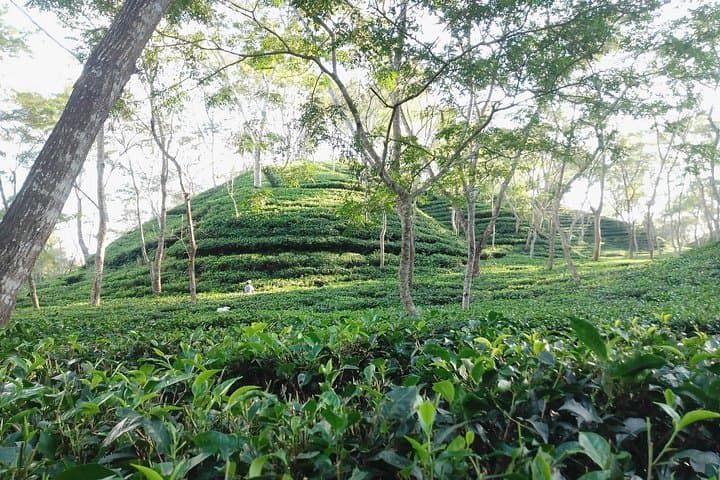
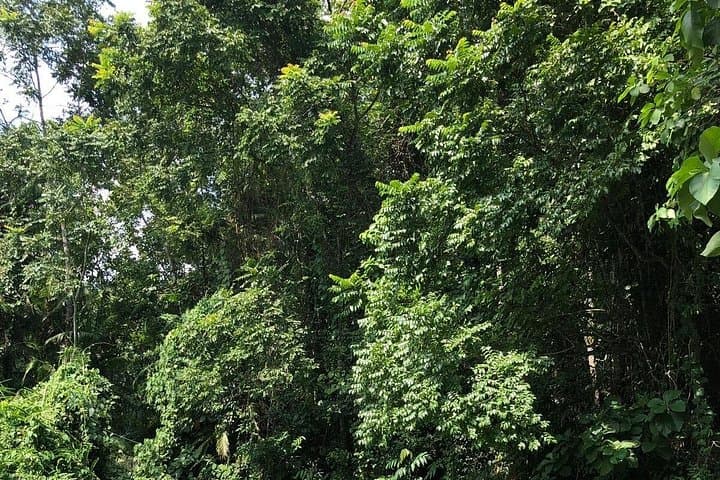
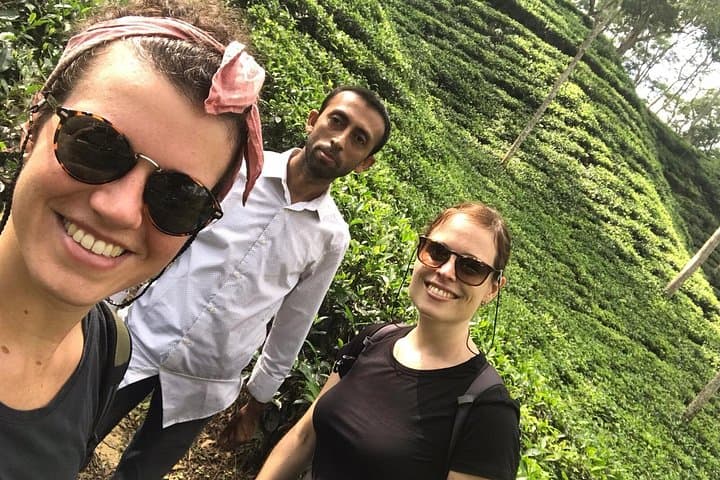
You step off the vehicle into humid green—tea rows roll like low waves, and the forest beyond breathes with the rustle of leaves. Early morning mist lifts from the valleys between estates as your guide points toward a narrow trail that leads into mixed deciduous jungle. The air here tastes of wet earth and fresh tea leaves; birds call from canopy gaps and a distant stream dares you closer with a silver voice.
You step off the vehicle into humid green—tea rows roll like low waves, and the forest beyond breathes with the rustle of leaves. Early morning mist lifts from the valleys between estates as your guide points toward a narrow trail that leads into mixed deciduous jungle. The air here tastes of wet earth and fresh tea leaves; birds call from canopy gaps and a distant stream dares you closer with a silver voice.
This region became a tea-growing center during the British colonial era, and the pattern of plantations shapes both the economy and the landscape. Geologically, Srimangal sits on the alluvial plains and low hills of northeastern Bangladesh; pockets of older hill soils and seasonal wetlands — like Madhabpur Lake nearby — support high biodiversity. Local indigenous communities, including Khasi and Manipuri groups, maintain distinct cottage-industry and craft traditions that visitors often glimpse during village stops.
Expect a day that balances flat plantation walking and short, uneven jungle trails through Lawachara-type forest fragments. Your guide will interpret flora, point out birdlife and explain tea processing at a small garden, including the novelty “seven-color tea” demonstrations common at tourist stops.
Practical guidance: wear sturdy, closed shoes for muddy paths, bring a lightweight rain jacket (monsoon-ready), and carry water—there are few reliable refill points on route. Start early to avoid midday heat and to increase wildlife sightings; insect repellent and modest clothing are both respectful and functional around village visits. Most tours include private transport and hotel pickup in Srimangal, making the full-day, guided itinerary an accessible way to see tea-country ecology and culture without advanced trekking skills.