THE ADVENTURE COLLECTIVE® · Independent discovery and booking for outdoor travel

Spend three days between tea gardens, a protected wetland and a freshwater swamp forest around Srimangal. Expect early mornings, boat birding on Baikka Beel, boardwalks through Ratargul and cultural stops in local villages.
Spend three days between tea gardens, a protected wetland and a freshwater swamp forest around Srimangal. Expect early mornings, boat birding on Baikka Beel, boardwalks through Ratargul and cultural stops in local villages.
Dawn lifts mist off the tea terraces as you step onto a narrow dirt lane in Srimangal. Tea bushes slope like rows of green waves; a boat waits at the edge of Baikka Beel and the Ratargul swamp forest breathes cool, dark air where water dares you to lean closer. This three-day loop threads lowland wetlands, tribal villages and cinnamon-scented estate lanes into a compact nature primer.
Verified experiences and guided adventures in the surrounding area.
Operated by Parjatak Tours (Dhaka City) · Srimangal, Sylhet
Dawn lifts mist off the tea terraces as you step onto a narrow dirt lane in Srimangal. Tea bushes slope like rows of green waves; a boat waits at the edge of Baikka Beel and the Ratargul swamp forest breathes cool, dark air where water dares you to lean closer. This three-day loop threads lowland wetlands, tribal villages and cinnamon-scented estate lanes into a compact nature primer.
The region’s landscape was shaped by tectonic uplift and seasonal flooding—the Hail Haor system swells dramatically in monsoon—and the British-era tea industry carved the rolling hills into continuous plantations that still define the skyline. Baikka Beel, a shallow floodplain beel made official as a wetland sanctuary in 2003, has become a winter magnet for waterfowl. Ratargul’s freshwater swamp forest, rare in South Asia, shows the region’s unique hydrology: trees rooted in water, channels shifting with tides of rain.
Culturally, visits to Khasi (Khashia) villages and small estate communities reveal tea-processing rhythms and local crafts; guides often arrange simple home-cooked lunches or dry rations for remote days.
Practicalities: expect mostly flat walking with wet, muddy boardwalks in the swamp and narrow estate trails—total active time is light each day but includes multiple short walks and a full-day boat trip. Bring a waterproof layer, good grip shoes, insect repellent and reusable water. Plan early starts for birding and avoid heavy monsoon days; book transfers from Sylhet Osmani International Airport ahead of time. This itinerary suits travelers who want immersive but low-impact nature experiences with straightforward logistics.
easy.
3 days.
Light activity; suitable for travelers in average physical condition who can manage short walks and boat rides.
Most travelers fly into Sylhet Osmani International Airport and take a private transfer or prearranged vehicle—road transfer to Srimangal is about 1.5–2 hours depending on traffic.
Yes; the itinerary is low-impact with short walks and boat rides, but not recommended for people with serious cardiovascular issues or for pregnant travelers.
November to March offers pleasant temperatures and peak birding; monsoon (June–September) brings dramatic flooding that changes access and increases insects.
Boat rides on Baikka Beel and access to Ratargul are typically arranged by the tour; confirm inclusions with the operator and bring cash for any local fees or optional services.
The tea estates date to the British colonial period when planters converted hillocks to monoculture; Baikka Beel was designated a permanent wetland sanctuary in 2003 to protect its growing bird populations.
Fishing is banned in parts of Baikka Beel to protect the fish and bird populations; visitors should follow local rules, avoid disturbing nesting birds and limit single-use plastics.
Parjatak Tours (Dhaka City) operates guided outdoor trips and adventures with an emphasis on safety, stewardship, and memorable experiences.
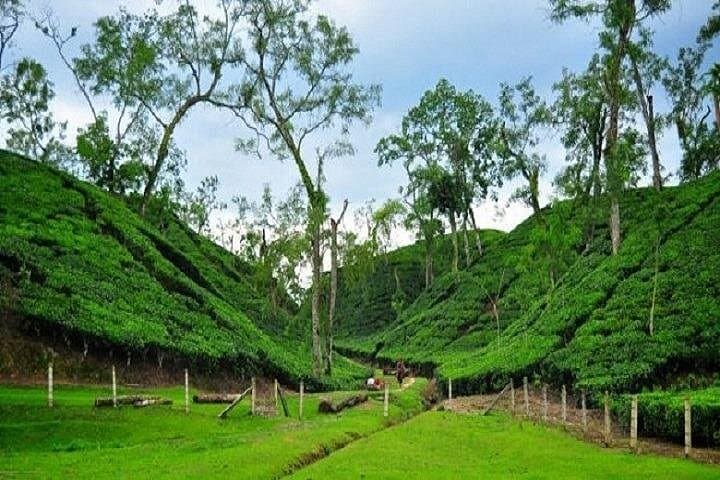
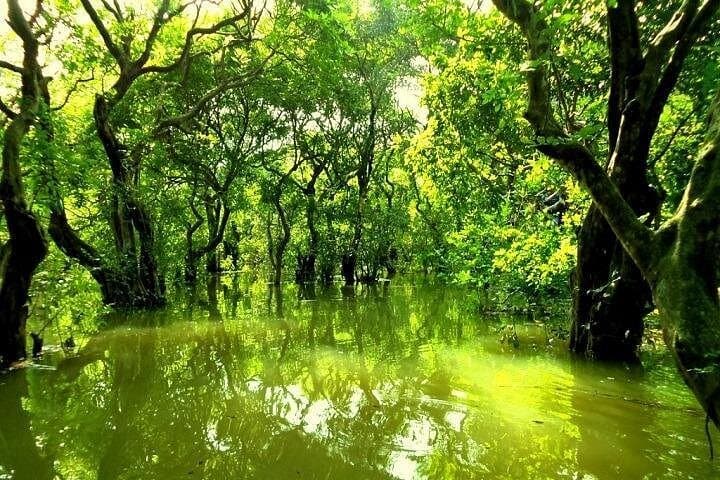
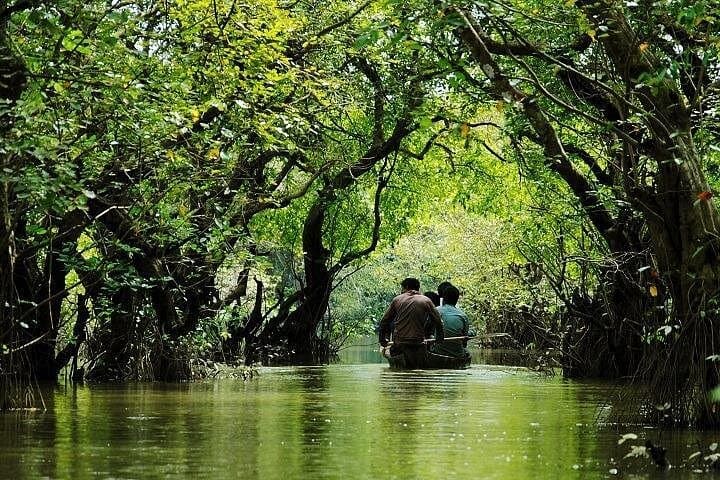
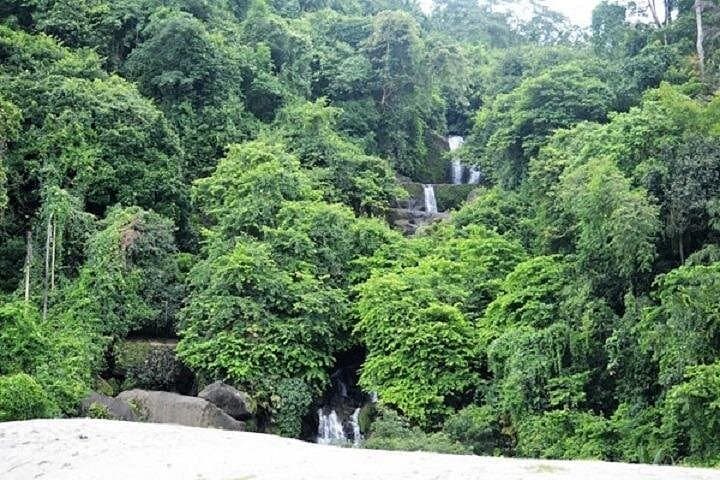
Dawn lifts mist off the tea terraces as you step onto a narrow dirt lane in Srimangal. Tea bushes slope like rows of green waves; a boat waits at the edge of Baikka Beel and the Ratargul swamp forest breathes cool, dark air where water dares you to lean closer. This three-day loop threads lowland wetlands, tribal villages and cinnamon-scented estate lanes into a compact nature primer.
Dawn lifts mist off the tea terraces as you step onto a narrow dirt lane in Srimangal. Tea bushes slope like rows of green waves; a boat waits at the edge of Baikka Beel and the Ratargul swamp forest breathes cool, dark air where water dares you to lean closer. This three-day loop threads lowland wetlands, tribal villages and cinnamon-scented estate lanes into a compact nature primer.
The region’s landscape was shaped by tectonic uplift and seasonal flooding—the Hail Haor system swells dramatically in monsoon—and the British-era tea industry carved the rolling hills into continuous plantations that still define the skyline. Baikka Beel, a shallow floodplain beel made official as a wetland sanctuary in 2003, has become a winter magnet for waterfowl. Ratargul’s freshwater swamp forest, rare in South Asia, shows the region’s unique hydrology: trees rooted in water, channels shifting with tides of rain.
Culturally, visits to Khasi (Khashia) villages and small estate communities reveal tea-processing rhythms and local crafts; guides often arrange simple home-cooked lunches or dry rations for remote days.
Practicalities: expect mostly flat walking with wet, muddy boardwalks in the swamp and narrow estate trails—total active time is light each day but includes multiple short walks and a full-day boat trip. Bring a waterproof layer, good grip shoes, insect repellent and reusable water. Plan early starts for birding and avoid heavy monsoon days; book transfers from Sylhet Osmani International Airport ahead of time. This itinerary suits travelers who want immersive but low-impact nature experiences with straightforward logistics.