THE ADVENTURE COLLECTIVE® · Independent discovery and booking for outdoor travel

Climb Sri Pada (Adam’s Peak) under headlamp light, arrive at dawn to witness the mountain’s shadow and a sacred footprint. This combined Kandy–Ella itinerary pairs a classic central highlands hike with the scenic train ride through tea country.
Climb Sri Pada (Adam’s Peak) under headlamp light, arrive at dawn to witness the mountain’s shadow and a sacred footprint. This combined Kandy–Ella itinerary pairs a classic central highlands hike with the scenic train ride through tea country.
A headlamp beam cuts a ribbon through humid hill mist as you climb—stone steps wet underfoot, voices ahead steady with purpose, and the peak’s silhouette sharpening against the first pale light. At 2,243 m the summit of Sri Pada (Adam’s Peak) announces itself suddenly above the tea-country bowl: a small, flattened plateau guarding a revered footprint.
Verified experiences and guided adventures in the surrounding area.
Operated by Sri Lanka Hill Country Tours · Nallathanniya, Sabaragamuwa Province
A headlamp beam cuts a ribbon through humid hill mist as you climb—stone steps wet underfoot, voices ahead steady with purpose, and the peak’s silhouette sharpening against the first pale light. At 2,243 m the summit of Sri Pada (Adam’s Peak) announces itself suddenly above the tea-country bowl: a small, flattened plateau guarding a revered footprint.
The mountain has been a pilgrimage site for centuries. Buddhists revere the left footprint as the Buddha’s; other faiths attach their own meanings, so cultural layers converge on a single rock. Geologically, Sri Pada rises from folded central highlands carved by erosion; trails mostly follow old stone stairways cut into lateritic slopes and cloud forest.
Locals keep the climb pragmatic: lights, hot tea stalls, and steady footfall from December through May, the pilgrimage season. Afternoon rains can slick steps during the southwest monsoon, and the air smells of wet earth and tea bushes on the lower slopes.
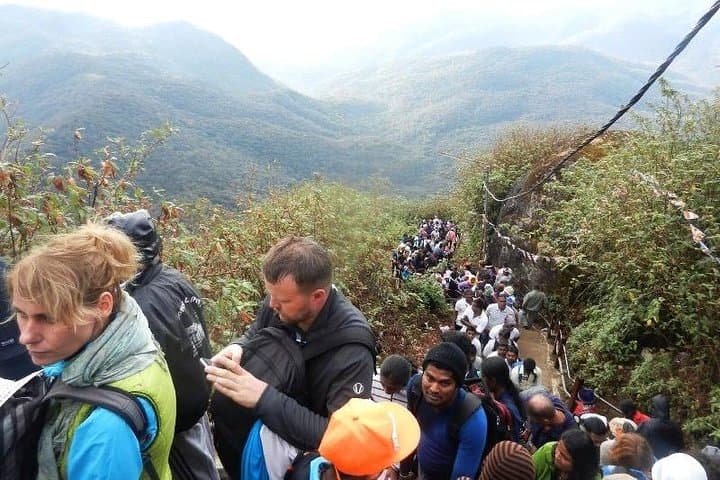
Practical guidance: start before dawn to reach the summit for sunrise and the famed shadow of the peak extending west. Expect 3–5 hours up depending on pace and fitness; the trail is steep with many stone steps—good knees and steady cardiovascular fitness help. Pack a headlamp, warm layer, rain shell, water, and blister-ready footwear. There’s no formal entry fee, but local facilities operate for pilgrims; respect quiet hours and cultural norms. Many itineraries pair the climb with the Kandy-to-Ella train—an iconic rail stretch through tea terraces—so allow extra time for connections and reservations. If you have back or heart issues, choose a lower-risk plan: the route is physically demanding and often crowded.
challenging.
1–2 days.
Requires good cardiovascular fitness and strong legs; frequent stair climbing ability is important.
Most fit hikers take 3–5 hours to ascend and 2–4 hours to descend; factors include pace, rest stops, and crowding.
December through May is the main season—trails, stalls, and facilities are most active and conditions drier for climbing.
There is no central entry fee for the mountain, though local services such as lamp rentals and tea stalls are paid; donations to local temples are customary if you participate.
Yes—many itineraries pair the climb with the scenic train to Ella; allow extra time for ticketed seating and potential delays on this popular route.
Sri Pada has been a multi-faith pilgrimage site for over a thousand years; the summit’s footprint has religious significance across Buddhist, Hindu, Muslim and Christian traditions.
Heavy foot traffic and unofficial trails can erode slopes—stick to established stairways, pack out trash, and support local waste-management efforts when possible.
Sri Lanka Hill Country Tours operates guided outdoor trips and adventures with an emphasis on safety, stewardship, and memorable experiences.
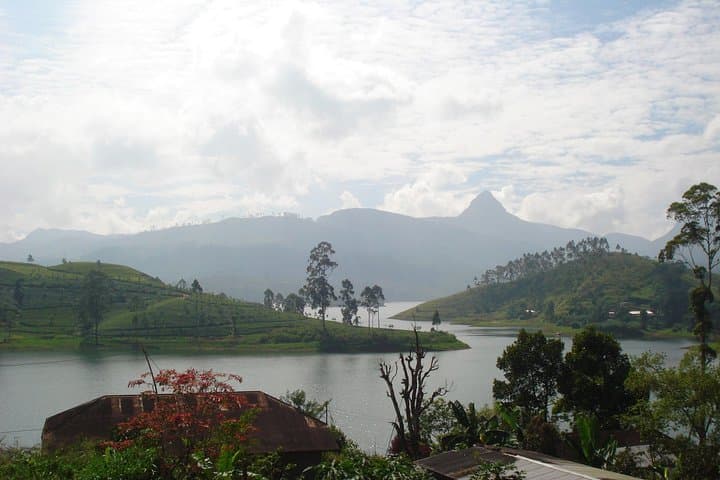
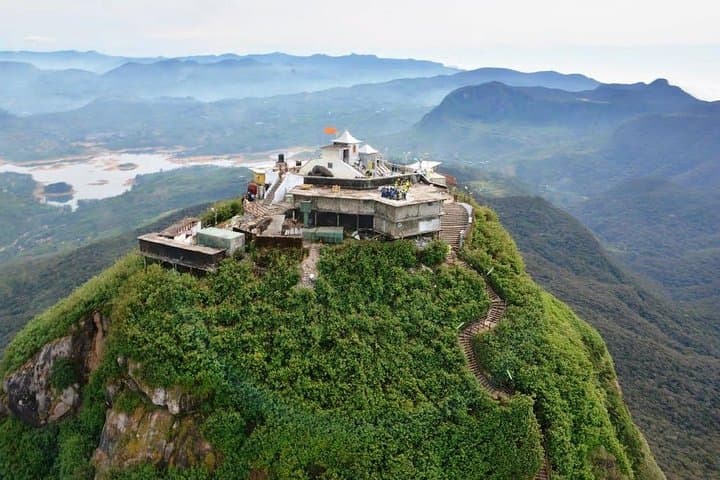
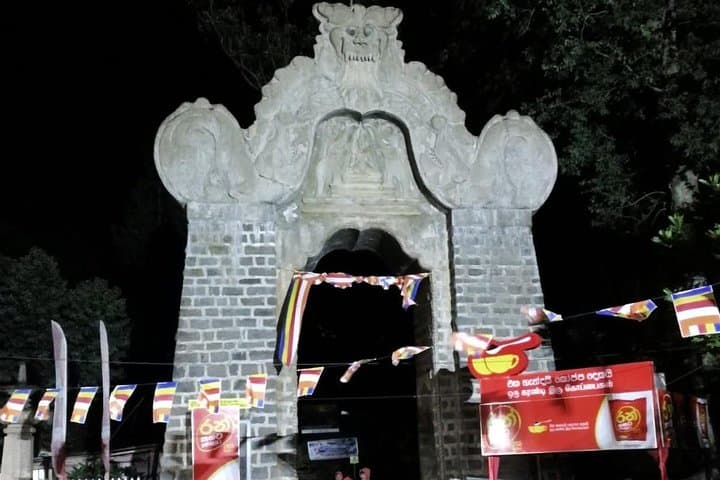
A headlamp beam cuts a ribbon through humid hill mist as you climb—stone steps wet underfoot, voices ahead steady with purpose, and the peak’s silhouette sharpening against the first pale light. At 2,243 m the summit of Sri Pada (Adam’s Peak) announces itself suddenly above the tea-country bowl: a small, flattened plateau guarding a revered footprint.
A headlamp beam cuts a ribbon through humid hill mist as you climb—stone steps wet underfoot, voices ahead steady with purpose, and the peak’s silhouette sharpening against the first pale light. At 2,243 m the summit of Sri Pada (Adam’s Peak) announces itself suddenly above the tea-country bowl: a small, flattened plateau guarding a revered footprint.
The mountain has been a pilgrimage site for centuries. Buddhists revere the left footprint as the Buddha’s; other faiths attach their own meanings, so cultural layers converge on a single rock. Geologically, Sri Pada rises from folded central highlands carved by erosion; trails mostly follow old stone stairways cut into lateritic slopes and cloud forest.
Locals keep the climb pragmatic: lights, hot tea stalls, and steady footfall from December through May, the pilgrimage season. Afternoon rains can slick steps during the southwest monsoon, and the air smells of wet earth and tea bushes on the lower slopes.
Practical guidance: start before dawn to reach the summit for sunrise and the famed shadow of the peak extending west. Expect 3–5 hours up depending on pace and fitness; the trail is steep with many stone steps—good knees and steady cardiovascular fitness help. Pack a headlamp, warm layer, rain shell, water, and blister-ready footwear. There’s no formal entry fee, but local facilities operate for pilgrims; respect quiet hours and cultural norms. Many itineraries pair the climb with the Kandy-to-Ella train—an iconic rail stretch through tea terraces—so allow extra time for connections and reservations. If you have back or heart issues, choose a lower-risk plan: the route is physically demanding and often crowded.