THE ADVENTURE COLLECTIVE® · Independent discovery and booking for outdoor travel

A 10‑night circuit through Sri Lanka’s north and east that pairs Sigiriya’s rock fortress and Polonnaruwa’s ruins with Jaffna’s temple architecture, Minneriya’s elephant gatherings and beach days in Trincomalee. Expect long drives, diverse cultures and wildlife-rich savannahs.
A 10‑night circuit through Sri Lanka’s north and east that pairs Sigiriya’s rock fortress and Polonnaruwa’s ruins with Jaffna’s temple architecture, Minneriya’s elephant gatherings and beach days in Trincomalee. Expect long drives, diverse cultures and wildlife-rich savannahs.
You step off the plane into warm, humid air and the island announces itself with a chorus of horns, coconut trees and distant temple bells. The first day moves you from the salt-and-fish stalls of Negombo to the ochre stairways of Munneswaram; within a week you are climbing the iron staircases of Sigiriya, watching elephants gather on dry plain at dusk and breathing the briny air off Trincomalee as the sun drops behind the bay.
Verified experiences and guided adventures in the surrounding area.
Operated by KINGFISHER TOURS SRI LANKA · Colombo, Western Province
You step off the plane into warm, humid air and the island announces itself with a chorus of horns, coconut trees and distant temple bells. The first day moves you from the salt-and-fish stalls of Negombo to the ochre stairways of Munneswaram; within a week you are climbing the iron staircases of Sigiriya, watching elephants gather on dry plain at dusk and breathing the briny air off Trincomalee as the sun drops behind the bay.
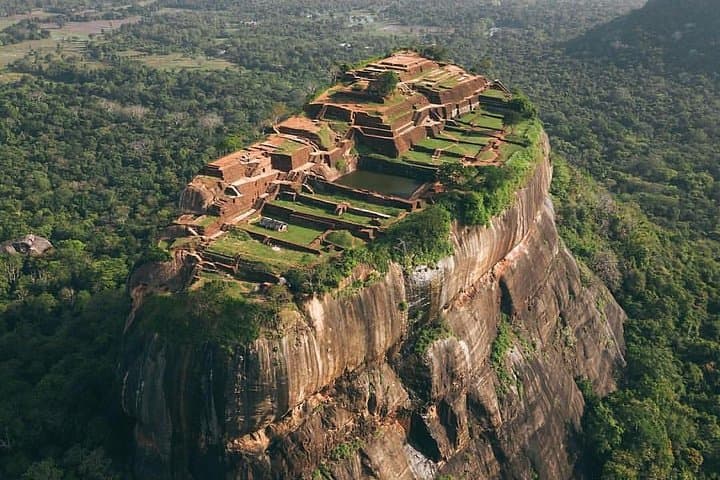
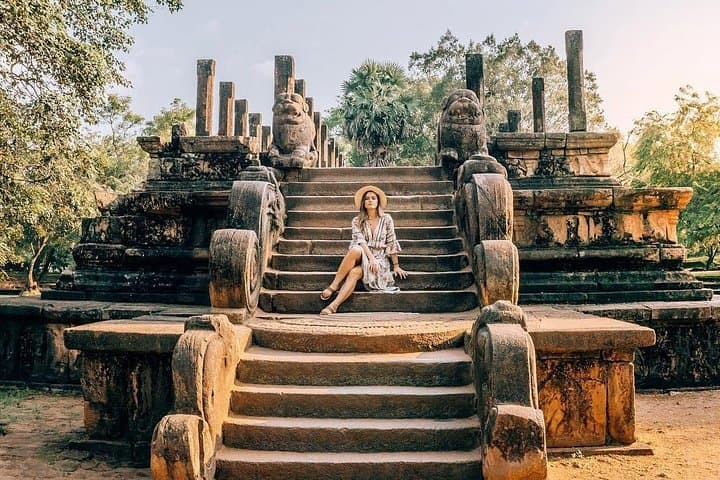
This ten-night loop across northern and eastern Sri Lanka stitches together three threads: ancient kingdoms, coastal reefs and large wild mammals. In Polonnaruwa and Anuradhapura you’ll walk carved stone Buddhas and ruined palaces that mark the island’s medieval high points. Sigiriya’s 5th-century rock fortress still reads like an engineered statement—water gardens, terraced fortifications and frescoed walls that resist time.
Geology here is simple and bold: a low-lying tropical interior punctured by granite outcrops and coastal fringing reefs. The rock of Sigiriya is a hardened magma plug; nearby Minneriya’s plains are seasonal—expanding wetlands that, in dry months, concentrate elephants and other wildlife.
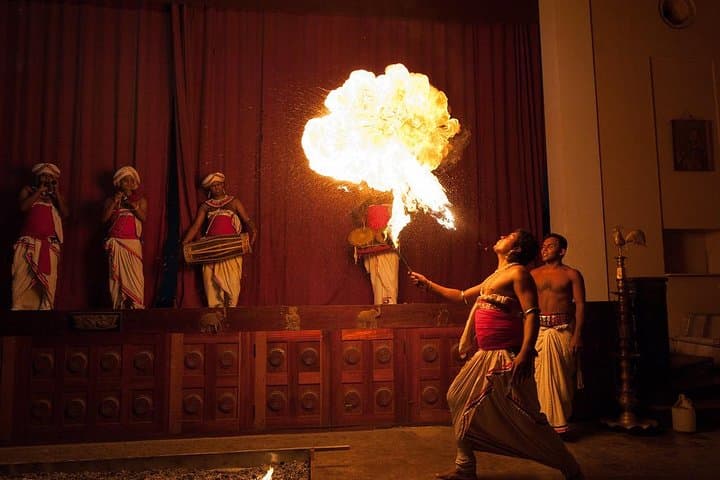
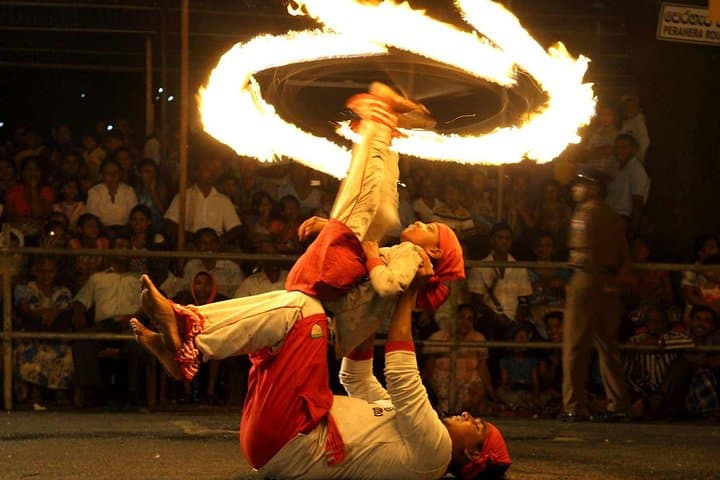
Culture arrives at every stop: Tamil Hindu temples in Jaffna with painted gopurams and centuries of South Indian influence; the Buddhist shrines on Nagadeepa where legend says the Buddha once set foot; Kandy’s Temple of the Tooth, a compact, rhythm-driven pageant of devotion. Food follows the map—pungent fish curries in the north, rice-and-curry roadside lunches in the Cultural Triangle, and grilled seafood on the east coast.
Practical edge: plan travel windows around wildlife and weather. The Minneriya elephant gatherings concentrate in the dry months—arrive late afternoon for the best light and the most action. Beaches in Trincomalee and Nilaveli are best outside the northeast monsoon; Pigeon Island’s corals are fragile—use reef-safe sunscreen and avoid touching. Expect basic 3-star hotels on included options; private air-conditioned vehicles make the island distances manageable but long drives are part of the rhythm.
Bring sun protection, sturdy walking shoes for uneven ruins and a small daypack for water, mosquito repellant and cash for temple donations and markets. Modest clothing is required at many religious sites; temples provide sarongs at some locations but carry your own for speed. Finally, travel with curiosity and patience: island travel is often paced by local timetables, coconut harvesting, and the occasional elephant crossing the road.
moderate.
10 days / 10 nights.
Moderate fitness for climbing Sigiriya and walking archaeological sites; comfortable with several long road transfers.
Selected options include 3‑star hotel stays; other pricing tiers may exclude lodging—check your booking option carefully.
Most travelers require an Electronic Travel Authorization (ETA) before arrival—apply online in advance and verify based on your nationality.
Yes—transport is private and many sites are family friendly, but note long driving days and temple access may be challenging with infants.
No wildlife sighting can be guaranteed, but visiting during the dry season and late afternoon maximizes your chance to see large congregations.
The operator lists wheelchair access and accessible transport, but many heritage sites have stairs—check specific stops if mobility is limited.
Professional English‑speaking chauffeur‑guides are provided; local drivers and guides may also speak Sinhala or Tamil depending on region.
The itinerary traces Sri Lanka’s layered past—ancient Sinhalese kingdoms left massive irrigation works and stone sculpture, while colonial powers (Portuguese, Dutch, British) added forts and trading posts along the coast.
Reef health around Pigeon Island is fragile—support operators who brief guests on no‑touch snorkeling. In elephant country, stay in vehicles and follow guide instructions to reduce disturbance.
KINGFISHER TOURS SRI LANKA operates guided outdoor trips and adventures with an emphasis on safety, stewardship, and memorable experiences.
You step off the plane into warm, humid air and the island announces itself with a chorus of horns, coconut trees and distant temple bells. The first day moves you from the salt-and-fish stalls of Negombo to the ochre stairways of Munneswaram; within a week you are climbing the iron staircases of Sigiriya, watching elephants gather on dry plain at dusk and breathing the briny air off Trincomalee as the sun drops behind the bay.
You step off the plane into warm, humid air and the island announces itself with a chorus of horns, coconut trees and distant temple bells. The first day moves you from the salt-and-fish stalls of Negombo to the ochre stairways of Munneswaram; within a week you are climbing the iron staircases of Sigiriya, watching elephants gather on dry plain at dusk and breathing the briny air off Trincomalee as the sun drops behind the bay.
This ten-night loop across northern and eastern Sri Lanka stitches together three threads: ancient kingdoms, coastal reefs and large wild mammals. In Polonnaruwa and Anuradhapura you’ll walk carved stone Buddhas and ruined palaces that mark the island’s medieval high points. Sigiriya’s 5th-century rock fortress still reads like an engineered statement—water gardens, terraced fortifications and frescoed walls that resist time.
Geology here is simple and bold: a low-lying tropical interior punctured by granite outcrops and coastal fringing reefs. The rock of Sigiriya is a hardened magma plug; nearby Minneriya’s plains are seasonal—expanding wetlands that, in dry months, concentrate elephants and other wildlife.
Culture arrives at every stop: Tamil Hindu temples in Jaffna with painted gopurams and centuries of South Indian influence; the Buddhist shrines on Nagadeepa where legend says the Buddha once set foot; Kandy’s Temple of the Tooth, a compact, rhythm-driven pageant of devotion. Food follows the map—pungent fish curries in the north, rice-and-curry roadside lunches in the Cultural Triangle, and grilled seafood on the east coast.
Practical edge: plan travel windows around wildlife and weather. The Minneriya elephant gatherings concentrate in the dry months—arrive late afternoon for the best light and the most action. Beaches in Trincomalee and Nilaveli are best outside the northeast monsoon; Pigeon Island’s corals are fragile—use reef-safe sunscreen and avoid touching. Expect basic 3-star hotels on included options; private air-conditioned vehicles make the island distances manageable but long drives are part of the rhythm.
Bring sun protection, sturdy walking shoes for uneven ruins and a small daypack for water, mosquito repellant and cash for temple donations and markets. Modest clothing is required at many religious sites; temples provide sarongs at some locations but carry your own for speed. Finally, travel with curiosity and patience: island travel is often paced by local timetables, coconut harvesting, and the occasional elephant crossing the road.