THE ADVENTURE COLLECTIVE® · Independent discovery and booking for outdoor travel

A 16‑day private circuit that stitches Sri Lanka’s wildlife hotspots with ancient cities and coastal conservation projects. From dawn safaris to hill‑country train rides, this trail balances big‑game watching with cultural depth and practical logistics.
A 16‑day private circuit that stitches Sri Lanka’s wildlife hotspots with ancient cities and coastal conservation projects. From dawn safaris to hill‑country train rides, this trail balances big‑game watching with cultural depth and practical logistics.
You step off the van before dawn and the air smells of wet earth and clove; a lone temple bell recedes as the driver closes the door. Over the next 16 days the island will move around you—tea terraces rising like folded green steps, the ocean blowing salt across a Dutch fort’s ramparts, and scrubland where elephants come to test the patience of the grass.
Verified experiences and guided adventures in the surrounding area.
Operated by Seasons Travels · Colombo, Western Province
You step off the van before dawn and the air smells of wet earth and clove; a lone temple bell recedes as the driver closes the door. Over the next 16 days the island will move around you—tea terraces rising like folded green steps, the ocean blowing salt across a Dutch fort’s ramparts, and scrubland where elephants come to test the patience of the grass.
This is the Sri Lanka Leopard Trail: a private, island-spanning route that pairs the hunt for big cats and elephants with a crash course in the country's layered past. Start in Colombo and head inland to Polonnaruwa and Sigiriya—Sigiriya's rock rising roughly 200 meters above the plain with a ladder of iron stairs and about 1,200 steps that place you eye-to-eye with ancient frescoes and a 5th-century royal citadel. Nearby, Minneriya and Kaudulla reserve their own spectacle in the dry season: hundreds of elephants converge on shrinking water, a living, restless congregation.
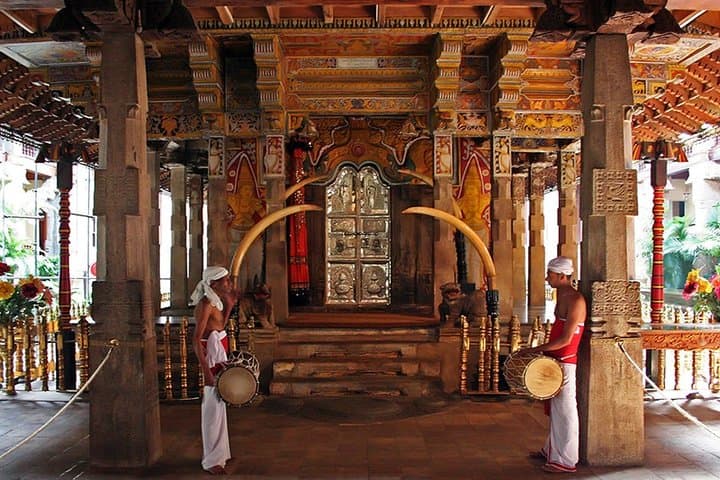
Kandy introduces a different rhythm—temple bells, the Peradeniya Royal Botanical Garden’s shaded avenues, and evenings of Kandyan dance—before the train climbs into the hill country. The Kandy–Nuwara Eliya rail corridor is a slow-motion postcard: tea pickers, waterfalls, and a steady gain to Nuwara Eliya’s cool air at roughly 1,800 meters. Horton Plains demands a morning hike (9–10 km round-trip) to reach World’s End, where the plateau gives way to a lung-dropping drop and wind that seems to push you back down the trail.
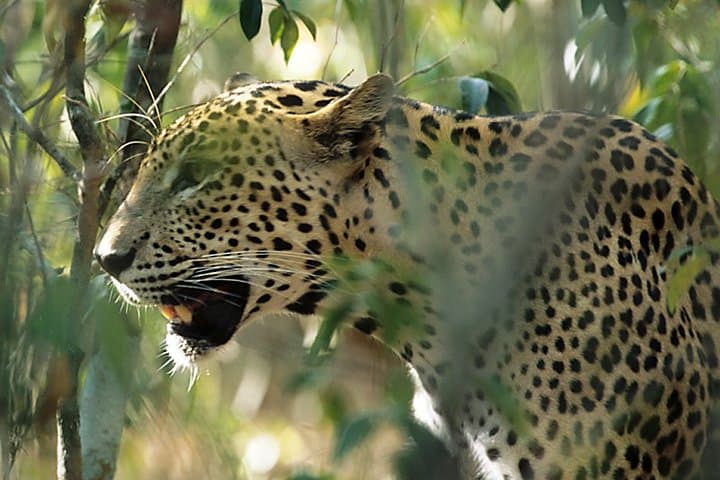
Southern safaris—Yala and Udawalawe—are where the trail’s wildlife ledger tallies: 3–4 hour game drives in search of leopards, herds of elephants, and sloth bears. The Elephant Transit Home offers a quieter counterpoint, watching rescued calves prepare for the return to the wild. Down the coast, Sinharaja Rainforest provides humid, vine-laced trails and endemic birds; Galle’s Dutch Fort, cobbled and angled toward the sea, reads like a colonial footnote with cafés that reward slow afternoons. Small cultural moments—stilt fishing at dawn, a Madu River boat ride through mangroves, a turtle hatchery visit—give texture and urgency to conservation conversations.
Practical edge: pack light but layer; expect multiple climate zones and long transfers. Most hikes are moderate but include steep stairs and muddy rainforest tracks. Safaris are best at first light or late afternoon; guides know the patterns, but wildlife is never guaranteed. Bring cash for small museums and tips, photocopies of documents for permits, and a compact daypack with water, rain jacket, and insect repellant. Reserve dawn hikes and safaris in advance to avoid the island’s peak-season crush. Travel here is a loop between history and habitat—where ruins watch over rivers that dare you to follow their current.
moderate.
15–16 days.
Comfortable with daily walking, some stair climbs and 3–4 hour game drives; basic stamina for multi‑day travel and one 9–10 km hike.
December to April is generally drier on the southwest and south coasts—good for Yala and coastal activities—while June to September brings elephant congregations in the North Central dry zone; plan around the species you most want to see.
No—leopards are shy and sightings depend on season, park traffic and luck; experienced guides improve your chances but sightings are never guaranteed.
Yes—it's listed as suitable for all fitness levels, but expect long drives and some stairs; discuss mobility and medical needs with your operator before booking.
Most visitors need a Sri Lanka ETA (electronic travel authorization); routine vaccinations are recommended—check updated medical advice for yellow fever entry rules and consult your doctor before travel.
The itinerary is structured around guided highlights but offers optional free activities like beach time in Galle, bicycle tours in Polonnaruwa, and city exploration in Colombo—confirm daily plans with your guide.
Guides are English‑speaking and the tour includes village visits, traditional dance performances and local food tastings to ensure authentic cultural interactions.
The route threads between ancient kingdoms—Sigiriya and Polonnaruwa were centers of Sinhalese power—while coastal Galle preserves Dutch colonial architecture from the 17th century.
The trail connects with local conservation projects: turtle hatcheries, the Elephant Transit Home and rainforest protection in Sinharaja; responsible tourism supports these programs and local communities.
Seasons Travels operates guided outdoor trips and adventures with an emphasis on safety, stewardship, and memorable experiences.
You step off the van before dawn and the air smells of wet earth and clove; a lone temple bell recedes as the driver closes the door. Over the next 16 days the island will move around you—tea terraces rising like folded green steps, the ocean blowing salt across a Dutch fort’s ramparts, and scrubland where elephants come to test the patience of the grass.
You step off the van before dawn and the air smells of wet earth and clove; a lone temple bell recedes as the driver closes the door. Over the next 16 days the island will move around you—tea terraces rising like folded green steps, the ocean blowing salt across a Dutch fort’s ramparts, and scrubland where elephants come to test the patience of the grass.
This is the Sri Lanka Leopard Trail: a private, island-spanning route that pairs the hunt for big cats and elephants with a crash course in the country's layered past. Start in Colombo and head inland to Polonnaruwa and Sigiriya—Sigiriya's rock rising roughly 200 meters above the plain with a ladder of iron stairs and about 1,200 steps that place you eye-to-eye with ancient frescoes and a 5th-century royal citadel. Nearby, Minneriya and Kaudulla reserve their own spectacle in the dry season: hundreds of elephants converge on shrinking water, a living, restless congregation.
Kandy introduces a different rhythm—temple bells, the Peradeniya Royal Botanical Garden’s shaded avenues, and evenings of Kandyan dance—before the train climbs into the hill country. The Kandy–Nuwara Eliya rail corridor is a slow-motion postcard: tea pickers, waterfalls, and a steady gain to Nuwara Eliya’s cool air at roughly 1,800 meters. Horton Plains demands a morning hike (9–10 km round-trip) to reach World’s End, where the plateau gives way to a lung-dropping drop and wind that seems to push you back down the trail.
Southern safaris—Yala and Udawalawe—are where the trail’s wildlife ledger tallies: 3–4 hour game drives in search of leopards, herds of elephants, and sloth bears. The Elephant Transit Home offers a quieter counterpoint, watching rescued calves prepare for the return to the wild. Down the coast, Sinharaja Rainforest provides humid, vine-laced trails and endemic birds; Galle’s Dutch Fort, cobbled and angled toward the sea, reads like a colonial footnote with cafés that reward slow afternoons. Small cultural moments—stilt fishing at dawn, a Madu River boat ride through mangroves, a turtle hatchery visit—give texture and urgency to conservation conversations.
Practical edge: pack light but layer; expect multiple climate zones and long transfers. Most hikes are moderate but include steep stairs and muddy rainforest tracks. Safaris are best at first light or late afternoon; guides know the patterns, but wildlife is never guaranteed. Bring cash for small museums and tips, photocopies of documents for permits, and a compact daypack with water, rain jacket, and insect repellant. Reserve dawn hikes and safaris in advance to avoid the island’s peak-season crush. Travel here is a loop between history and habitat—where ruins watch over rivers that dare you to follow their current.