THE ADVENTURE COLLECTIVE® · Independent discovery and booking for outdoor travel

Cover Sigiriya’s Lion Rock at sunrise, watch elephants gather at Minneriya, explore Kandy’s temple precincts, and finish with beaches and turtle conservation on the south coast. This private 6-night, 7-day tour stitches Sri Lanka’s top cultural and natural highlights into one seamless itinerary.
Cover Sigiriya’s Lion Rock at sunrise, watch elephants gather at Minneriya, explore Kandy’s temple precincts, and finish with beaches and turtle conservation on the south coast. This private 6-night, 7-day tour stitches Sri Lanka’s top cultural and natural highlights into one seamless itinerary.
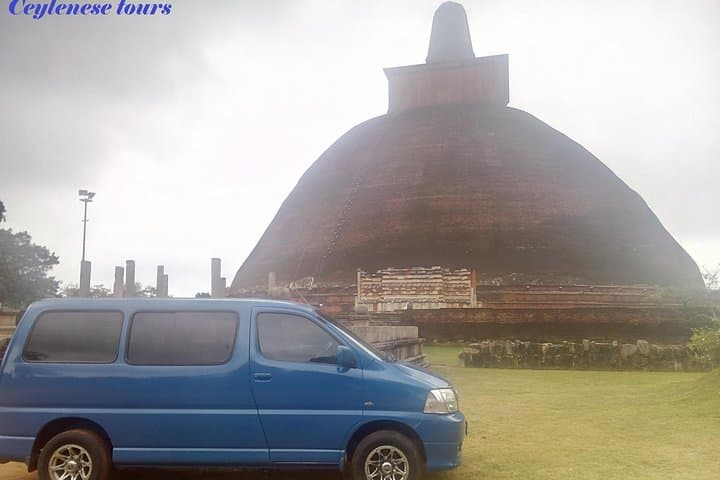
You step off the plane into Kolamburean humidity and a driver is already waiting—an A/C sedan idling, a polite wave, and the first of seven moving chapters begins. On day one the road pulls you north through rice paddies and small towns until a sheer column of rock appears on the horizon: Sigiriya, the “Lion Rock,” climbing 180 meters above the plain and demanding to be scaled. Later, at dusk, cicadas line the trees and elephants drift out onto dried grasslands at Minneriya; the animals move with the casual authority of residents who have known the land for millennia.
Verified experiences and guided adventures in the surrounding area.
Operated by ceylenese · Colombo, Western Province
You step off the plane into Kolamburean humidity and a driver is already waiting—an A/C sedan idling, a polite wave, and the first of seven moving chapters begins. On day one the road pulls you north through rice paddies and small towns until a sheer column of rock appears on the horizon: Sigiriya, the “Lion Rock,” climbing 180 meters above the plain and demanding to be scaled. Later, at dusk, cicadas line the trees and elephants drift out onto dried grasslands at Minneriya; the animals move with the casual authority of residents who have known the land for millennia.
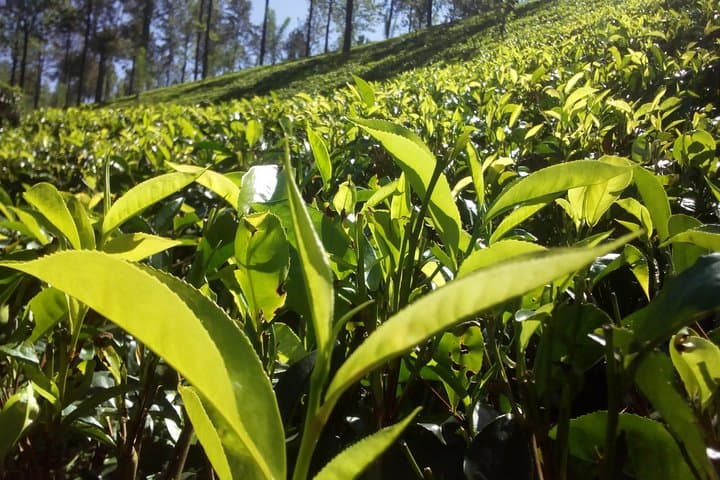
This itinerary stitches together Sri Lanka’s big threads: ancient hydraulic engineering, Buddhist courts, colonial ports, and a coastline famous for turtles. Sigiriya and Dambulla are the island’s archaeological spine—rock palaces, cave temples with murals and Buddha statues carved into volcanic outcrops that speak to an island civilization shaping water and stone since the third century BCE. In Kandy you encounter the tooth relic and processions that keep a kingdom’s rituals alive; in Matale the spice gardens explain the Ayurvedic practices that powered trade. The geology shifts with you—rolling central hills spilling tea, then the lowland tanks and lagoons where elephants and birds gather.
Practical: this is a private, chauffeur-guided circuit designed for door-to-door ease over six nights and seven days with daily drives that average 2–4 hours between stops. Expect a full day at Sigiriya/Minneriya (allow 3–4 hours for the climb and site exploration, and a 2–3 hour wildlife safari window), a day in Kandy with shorter walking loops (botanical garden, temple precincts), and a transfer day through Kitulgala if you want river rafting before the southern beaches—Bentota or Hikkaduwa—for two relaxed nights.
Timing matters: arrive early at Sigiriya (before 9 a.m.) to avoid heat and crowds; Minneriya’s elephant congregation peaks in the dry months (July–September). Bring lightweight breathable layers, a sun hat, and fast-drying trousers; sturdy closed shoes are recommended for stairs and temple visits. Hydrate constantly—your driver will carry water, but refill when you can.
Local logistics are simple: your English-speaking chauffeur handles fuel, route planning, and accommodation transfers (vehicle choice depends on group size). Respect temple dress codes (shoulders and knees covered) and temple opening times around ritual hours. For wildlife photos, a 200–400mm lens is ideal; for cultural shots, aim for early morning light.
At the end of seven days you’ll have moved from rock fortresses to rain-fed rivers and sugar sand beaches—an island that pushes you forward with a quiet insistence, making room for history, wildlife, and a slow kind of discovery.
moderate.
7 days.
Moderate fitness—able to climb stairs (Sigiriya) and do several hours of walking across uneven surfaces; not strenuous trekking.
Most travelers require an eTA/ETA obtained online before arrival—check your nationality-specific requirements well before travel.
This private tour’s base price typically does not include monument entrance fees or national park permits; confirm with the supplier which admissions are covered.
Yes—this private route is flexible; tell your chauffeur your priorities and they can adjust timing or add stops (extra mileage fees may apply).
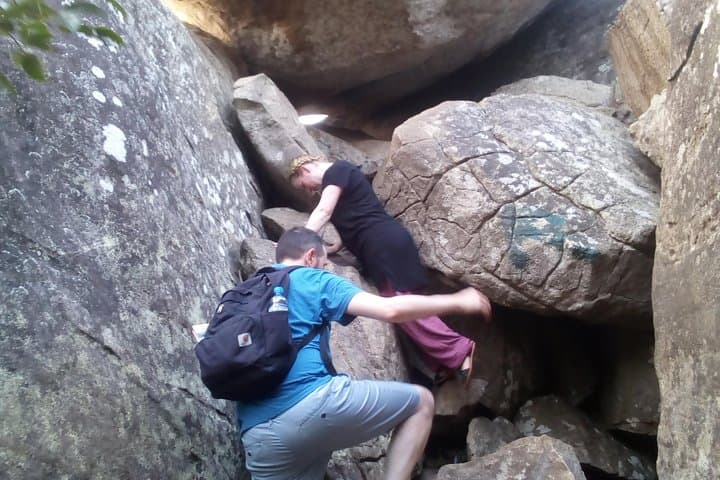
Climbing Sigiriya involves steep metal stairways and uneven rock; moderate mobility is needed and avoid the climb in strong heat or heavy rain.
The dry season, especially July–September, concentrates water and grazing areas and increases chances of large herds gathering.
Yes; the tour includes a well-experienced English-speaking chauffeur/driver who handles navigation and local arrangements.
The Sigiriya rock fortress and the ancient irrigation tanks like Minneriya reflect advanced hydraulic and engineering systems developed in Sri Lanka as early as the third century BCE.
Turtle conservation projects on the south coast are community-run and rely on visitor support; stick to marked nesting areas and avoid flash photography on beaches at night.
ceylenese operates guided outdoor trips and adventures with an emphasis on safety, stewardship, and memorable experiences.

You step off the plane into Kolamburean humidity and a driver is already waiting—an A/C sedan idling, a polite wave, and the first of seven moving chapters begins. On day one the road pulls you north through rice paddies and small towns until a sheer column of rock appears on the horizon: Sigiriya, the “Lion Rock,” climbing 180 meters above the plain and demanding to be scaled. Later, at dusk, cicadas line the trees and elephants drift out onto dried grasslands at Minneriya; the animals move with the casual authority of residents who have known the land for millennia.
You step off the plane into Kolamburean humidity and a driver is already waiting—an A/C sedan idling, a polite wave, and the first of seven moving chapters begins. On day one the road pulls you north through rice paddies and small towns until a sheer column of rock appears on the horizon: Sigiriya, the “Lion Rock,” climbing 180 meters above the plain and demanding to be scaled. Later, at dusk, cicadas line the trees and elephants drift out onto dried grasslands at Minneriya; the animals move with the casual authority of residents who have known the land for millennia.
This itinerary stitches together Sri Lanka’s big threads: ancient hydraulic engineering, Buddhist courts, colonial ports, and a coastline famous for turtles. Sigiriya and Dambulla are the island’s archaeological spine—rock palaces, cave temples with murals and Buddha statues carved into volcanic outcrops that speak to an island civilization shaping water and stone since the third century BCE. In Kandy you encounter the tooth relic and processions that keep a kingdom’s rituals alive; in Matale the spice gardens explain the Ayurvedic practices that powered trade. The geology shifts with you—rolling central hills spilling tea, then the lowland tanks and lagoons where elephants and birds gather.
Practical: this is a private, chauffeur-guided circuit designed for door-to-door ease over six nights and seven days with daily drives that average 2–4 hours between stops. Expect a full day at Sigiriya/Minneriya (allow 3–4 hours for the climb and site exploration, and a 2–3 hour wildlife safari window), a day in Kandy with shorter walking loops (botanical garden, temple precincts), and a transfer day through Kitulgala if you want river rafting before the southern beaches—Bentota or Hikkaduwa—for two relaxed nights.
Timing matters: arrive early at Sigiriya (before 9 a.m.) to avoid heat and crowds; Minneriya’s elephant congregation peaks in the dry months (July–September). Bring lightweight breathable layers, a sun hat, and fast-drying trousers; sturdy closed shoes are recommended for stairs and temple visits. Hydrate constantly—your driver will carry water, but refill when you can.
Local logistics are simple: your English-speaking chauffeur handles fuel, route planning, and accommodation transfers (vehicle choice depends on group size). Respect temple dress codes (shoulders and knees covered) and temple opening times around ritual hours. For wildlife photos, a 200–400mm lens is ideal; for cultural shots, aim for early morning light.
At the end of seven days you’ll have moved from rock fortresses to rain-fed rivers and sugar sand beaches—an island that pushes you forward with a quiet insistence, making room for history, wildlife, and a slow kind of discovery.