THE ADVENTURE COLLECTIVE® · Independent discovery and booking for outdoor travel

An eight-day private loop through Sri Lanka’s cultural and ecological high points—from the rock-hewn King’s palace at Sigiriya to the elephants of Minneriya and the misty tea country of Nuwara Eliya. Practical, paced and rich with history and wildlife.
An eight-day private loop through Sri Lanka’s cultural and ecological high points—from the rock-hewn King’s palace at Sigiriya to the elephants of Minneriya and the misty tea country of Nuwara Eliya. Practical, paced and rich with history and wildlife.
You step off the coastal plain as humidity peels away and the island rearranges itself into tea-draped hills, ancient stupas and a rock that seems to grow from the earth. On day one the low sun brushes the carved murals inside Dambulla's Golden Temple and the cave walls lean in, as if listening to centuries of pilgrims. By day three you are climbing the iron staircases of Sigiriya—its plateau rising roughly two hundred meters above the surrounding jungle—where the air smells of baked laterite and distant wet earth.
Verified experiences and guided adventures in the surrounding area.
Operated by Lakpura LLC · Sigiriya, Central Province
You step off the coastal plain as humidity peels away and the island rearranges itself into tea-draped hills, ancient stupas and a rock that seems to grow from the earth. On day one the low sun brushes the carved murals inside Dambulla's Golden Temple and the cave walls lean in, as if listening to centuries of pilgrims. By day three you are climbing the iron staircases of Sigiriya—its plateau rising roughly two hundred meters above the surrounding jungle—where the air smells of baked laterite and distant wet earth.
This eight-day loop stitches together Sri Lanka’s cultural spine and ecological highlights: the monastic ruins of Anuradhapura where brick stupas mark the footprint of an early capital, the Kandyan rhythms of drum and dance in Kandy, misty tea estates around Nuwara Eliya at roughly 1,868 meters elevation, and the montane grasslands and sheer drop of Horton Plains’ World's End. The geology shifts quickly—from the limestone caves at Dambulla to the lateritic core of Sigiriya and the cloud-forest soils of Horton Plains—making each day feel like a different country within one island.
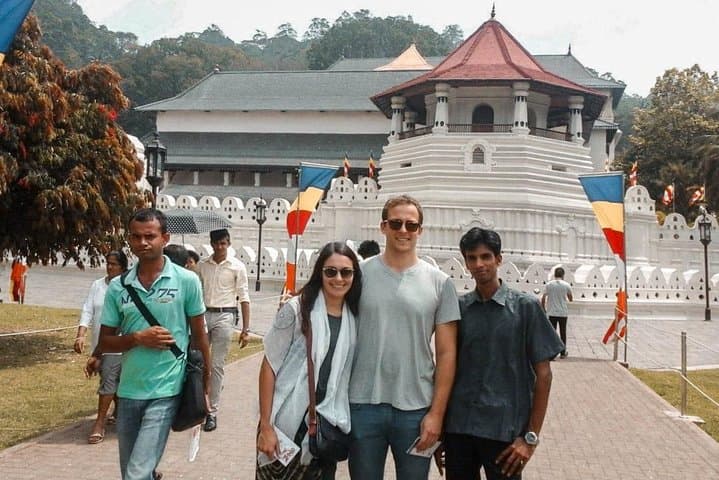
History and faith are everywhere: Anuradhapura’s Sri Maha Bodhi is one of the oldest cultivated trees in the world and a living link to the island’s conversion to Buddhism. Sigiriya is a fifth-century royal experiment—water gardens, terraced slopes and palace foundations carved into rock. Kandy preserves the Tooth Relic, the spiritual anchor of national identity; expect ritualized puja and gilded halls thick with incense.
Wildlife creeps into the itinerary naturally. Minneriya National Park’s dry-season spectacle—hundreds of elephants drawn to water—feels less like a safari and more like a contract between animal and landscape. At Kithulgala, the Kelani River dares you into five kilometers of whitewater: expect class II–III rapids that fling spray and laughter in equal measure.
Practical guide: this private, chauffeur-driven loop covers a lot of ground—plan for several multi-hour drives between sites, comfortable shoes for temple steps and plantation trails, and warm layers for the hill country where temperatures drop sharply after dusk. Entrance fees to archaeological sites are not included, and some locations require modest temple dress (shoulders covered, longer shorts or sarong). For wildlife, schedule Minneriya between May and October for the Great Gathering; for clear skies at Horton Plains, aim for early morning departures to beat clouds and crowds.
Travel light but prepared: refillable water, sun protection for the plains, a rain jacket for sudden showers in the hills, and insect repellent for dusk safaris. Respect local customs at religious sites—remove shoes, keep voices low, and ask before photographing monks. With a pragmatic packing list and a curiosity for both ruins and rivers, these eight days give you Sri Lanka’s story in both stone and animal tracks.
moderate.
8 days.
Suitable for travelers in average fitness—expect several short to moderate hikes, stair climbs at Sigiriya, and the option of a 5km rafting section requiring basic swimming comfort.
No—entrance fees for sites like Sigiriya, Horton Plains and the Temple of the Tooth are not included in the tour price.
The dry season, roughly May through October, concentrates elephants around the remaining water sources and produces the largest gatherings.
Yes—this private tour is physically undemanding overall, but temple steps and some climbs may be difficult for limited-mobility guests; inform the operator about special needs.
Conservative clothing covering shoulders and knees; remove shoes and hats before entering indoor shrine areas.
The climb involves steep sections and metal staircases to reach the summit; allow 45–90 minutes depending on fitness and crowding.
Yes—rapids on the Kelani River section used are generally class II–III and guides provide safety briefings and life jackets; basic swimming comfort is recommended.
Anuradhapura and Polonnaruwa were major urban centers and royal capitals; Sigiriya was transformed into a fortified palace complex in the 5th century AD.
Minneriya’s elephant gatherings are sensitive to water and land use—support ethical guides who avoid disturbing herds and use established roads to minimize impact.
Lakpura LLC operates guided outdoor trips and adventures with an emphasis on safety, stewardship, and memorable experiences.
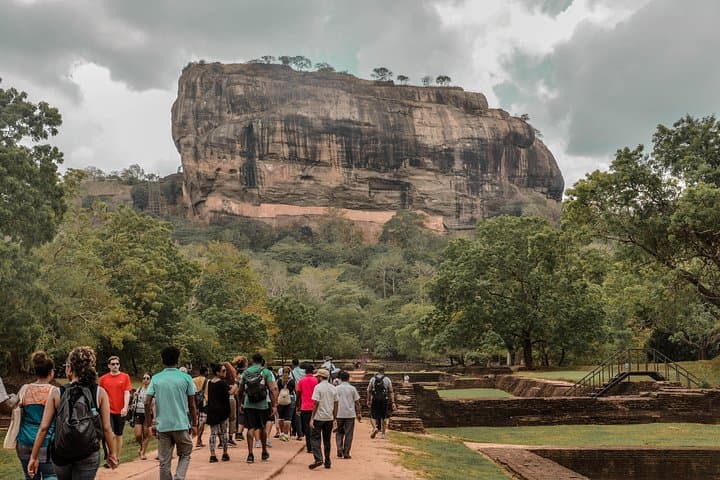
You step off the coastal plain as humidity peels away and the island rearranges itself into tea-draped hills, ancient stupas and a rock that seems to grow from the earth. On day one the low sun brushes the carved murals inside Dambulla's Golden Temple and the cave walls lean in, as if listening to centuries of pilgrims. By day three you are climbing the iron staircases of Sigiriya—its plateau rising roughly two hundred meters above the surrounding jungle—where the air smells of baked laterite and distant wet earth.
You step off the coastal plain as humidity peels away and the island rearranges itself into tea-draped hills, ancient stupas and a rock that seems to grow from the earth. On day one the low sun brushes the carved murals inside Dambulla's Golden Temple and the cave walls lean in, as if listening to centuries of pilgrims. By day three you are climbing the iron staircases of Sigiriya—its plateau rising roughly two hundred meters above the surrounding jungle—where the air smells of baked laterite and distant wet earth.
This eight-day loop stitches together Sri Lanka’s cultural spine and ecological highlights: the monastic ruins of Anuradhapura where brick stupas mark the footprint of an early capital, the Kandyan rhythms of drum and dance in Kandy, misty tea estates around Nuwara Eliya at roughly 1,868 meters elevation, and the montane grasslands and sheer drop of Horton Plains’ World's End. The geology shifts quickly—from the limestone caves at Dambulla to the lateritic core of Sigiriya and the cloud-forest soils of Horton Plains—making each day feel like a different country within one island.
History and faith are everywhere: Anuradhapura’s Sri Maha Bodhi is one of the oldest cultivated trees in the world and a living link to the island’s conversion to Buddhism. Sigiriya is a fifth-century royal experiment—water gardens, terraced slopes and palace foundations carved into rock. Kandy preserves the Tooth Relic, the spiritual anchor of national identity; expect ritualized puja and gilded halls thick with incense.
Wildlife creeps into the itinerary naturally. Minneriya National Park’s dry-season spectacle—hundreds of elephants drawn to water—feels less like a safari and more like a contract between animal and landscape. At Kithulgala, the Kelani River dares you into five kilometers of whitewater: expect class II–III rapids that fling spray and laughter in equal measure.
Practical guide: this private, chauffeur-driven loop covers a lot of ground—plan for several multi-hour drives between sites, comfortable shoes for temple steps and plantation trails, and warm layers for the hill country where temperatures drop sharply after dusk. Entrance fees to archaeological sites are not included, and some locations require modest temple dress (shoulders covered, longer shorts or sarong). For wildlife, schedule Minneriya between May and October for the Great Gathering; for clear skies at Horton Plains, aim for early morning departures to beat clouds and crowds.
Travel light but prepared: refillable water, sun protection for the plains, a rain jacket for sudden showers in the hills, and insect repellent for dusk safaris. Respect local customs at religious sites—remove shoes, keep voices low, and ask before photographing monks. With a pragmatic packing list and a curiosity for both ruins and rivers, these eight days give you Sri Lanka’s story in both stone and animal tracks.