THE ADVENTURE COLLECTIVE® · Independent discovery and booking for outdoor travel

An eight-day loop through Sri Lanka’s cultural core, this private tour stitches together Sigiriya’s rock fortress, the ruined capitals of Anuradhapura and Polonnaruwa, Kandy’s sacred Tooth Temple, the highland tea country, a Yala game drive and the colonial charm of Galle.
An eight-day loop through Sri Lanka’s cultural core, this private tour stitches together Sigiriya’s rock fortress, the ruined capitals of Anuradhapura and Polonnaruwa, Kandy’s sacred Tooth Temple, the highland tea country, a Yala game drive and the colonial charm of Galle.
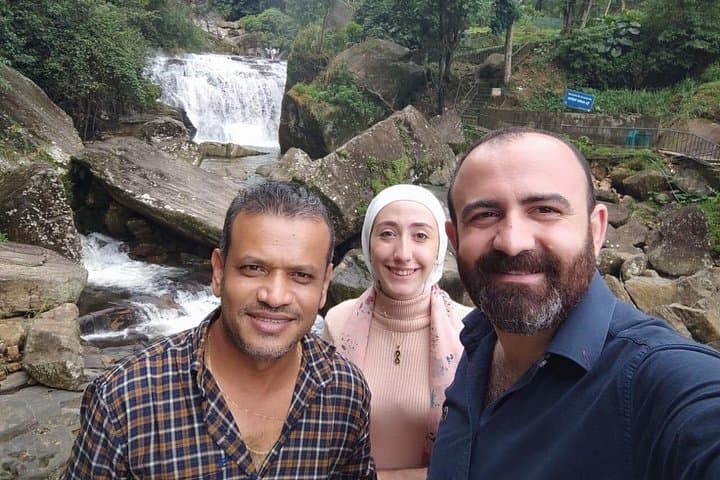
You step off the air-conditioned vehicle into a temperature that smells of wet earth and spiced tea, the low sun sliding gold across a carved rock face. For eight days, this route threads through the heart of Sri Lanka — limestone caves painted with monks' frescoes, an iron-hard rock that holds ancient frescoes and a ruined capital where stone elephants guard mossed temples. The Culture Triangle Tour compresses the island's deep history and dramatic geography into a single circuit: Negombo's fishing lagoons give way to the dry plains of Anuradhapura and Polonnaruwa, the emerald slopes around Kandy, the cool tea terraces of Nuwara Eliya, then down through Yala's scrubland to the colonial ramparts of Galle and the conservation ponds of the south coast.
Verified experiences and guided adventures in the surrounding area.
Operated by Lanka Smart Tours · Sigiriya, Central Province
You step off the air-conditioned vehicle into a temperature that smells of wet earth and spiced tea, the low sun sliding gold across a carved rock face. For eight days, this route threads through the heart of Sri Lanka — limestone caves painted with monks' frescoes, an iron-hard rock that holds ancient frescoes and a ruined capital where stone elephants guard mossed temples. The Culture Triangle Tour compresses the island's deep history and dramatic geography into a single circuit: Negombo's fishing lagoons give way to the dry plains of Anuradhapura and Polonnaruwa, the emerald slopes around Kandy, the cool tea terraces of Nuwara Eliya, then down through Yala's scrubland to the colonial ramparts of Galle and the conservation ponds of the south coast.
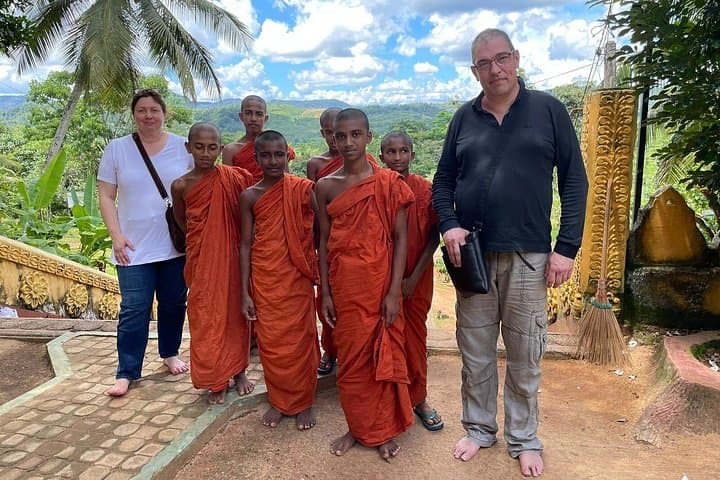
The itinerary is a practical primer in Sri Lankan history. Anuradhapura and Polonnaruwa were capitals of early Sinhalese kingdoms; their stupas and dagobas record Buddhist devotion and hydraulic ingenuity. Sigiriya, the so-called Lion Rock, is a later royal citadel with water gardens that speak to premodern engineering. Kandy's Temple of the Tooth remains a living center of religious ritual, while the Peradeniya Botanical Gardens document the botanical exchanges of British colonialism. The southern coast folds in Dutch and Portuguese layers — Galle Fort's bastions are both military archive and seaside promenade.
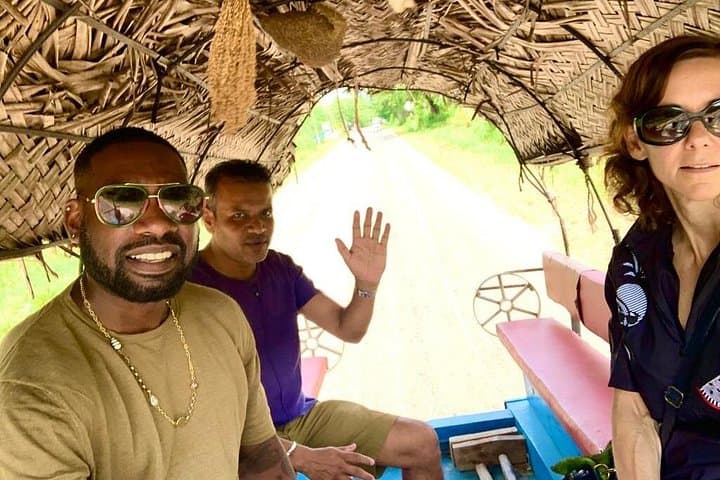
Geology and climate shape every day: the central highlands trap rain and cool the tea country, while the cultural triangle sits on ancient metamorphic rock and fertile tanks left by ancient irrigation systems. Locals are a constant through-line — tea pluckers in blue saris, boatmen on the lagoon, temple caretakers at dawn — and guides will point out how agriculture, religion, and colonial trade rewrote the landscape.
Practical guidance: this is an active but accessible tour; expect several short walks across uneven surfaces, stairs at Sigiriya and temple precincts, and a morning game drive at Yala (park fees usually separate). Pack light layers and a breathable rain jacket; mornings in Nuwara Eliya can be unexpectedly cool. Respect dress codes at temples — shoulders and knees covered — and bring cash for entry fees and small purchases in rural markets.
Timing matters: start early at the parks to beat heat and crowds, and reserve temple visits for late afternoon prayer times if you want atmosphere over tourist density. Hydrate on the road: bottled water is included during transit, but carry a refillable bottle to reduce plastic. The route is private and customizable, making it a solid option for first-time visitors who want a concentrated, readable sweep through Sri Lanka’s layered past and diverse landscapes.
moderate.
8 days.
Moderate fitness: able to handle multi-hour days with short hikes, stairs and vehicle transfers.
No — Yala National Park and other protected areas typically have separate entrance fees not included in the tour price.
Yes — this is a private tour and the operator allows customization for pacing, extra stops, or alternate accommodations.
Moderate fitness is fine — expect temple steps, short hikes, and periods in a vehicle; no technical climbing required.
Breakfast is included each day; other meals, snacks and beverages are generally the traveler’s responsibility unless specified.
Tipping guides, drivers and porters is customary and appreciated; small amounts after services are standard practice.
Conservative clothing that covers shoulders and knees is required; remove hats and shoes where indicated.
The Cultural Triangle preserves Sri Lanka’s early Sinhalese kingdoms; water reservoirs and stupas reflect hydraulic engineering and Buddhist patronage dating back over a millennium.
National parks like Yala and coastal projects such as Kosgoda turtle conservation run community-linked programs; visitors should follow rules, avoid feeding wildlife and support licensed conservation centers.
Lanka Smart Tours operates guided outdoor trips and adventures with an emphasis on safety, stewardship, and memorable experiences.

You step off the air-conditioned vehicle into a temperature that smells of wet earth and spiced tea, the low sun sliding gold across a carved rock face. For eight days, this route threads through the heart of Sri Lanka — limestone caves painted with monks' frescoes, an iron-hard rock that holds ancient frescoes and a ruined capital where stone elephants guard mossed temples. The Culture Triangle Tour compresses the island's deep history and dramatic geography into a single circuit: Negombo's fishing lagoons give way to the dry plains of Anuradhapura and Polonnaruwa, the emerald slopes around Kandy, the cool tea terraces of Nuwara Eliya, then down through Yala's scrubland to the colonial ramparts of Galle and the conservation ponds of the south coast.
You step off the air-conditioned vehicle into a temperature that smells of wet earth and spiced tea, the low sun sliding gold across a carved rock face. For eight days, this route threads through the heart of Sri Lanka — limestone caves painted with monks' frescoes, an iron-hard rock that holds ancient frescoes and a ruined capital where stone elephants guard mossed temples. The Culture Triangle Tour compresses the island's deep history and dramatic geography into a single circuit: Negombo's fishing lagoons give way to the dry plains of Anuradhapura and Polonnaruwa, the emerald slopes around Kandy, the cool tea terraces of Nuwara Eliya, then down through Yala's scrubland to the colonial ramparts of Galle and the conservation ponds of the south coast.
The itinerary is a practical primer in Sri Lankan history. Anuradhapura and Polonnaruwa were capitals of early Sinhalese kingdoms; their stupas and dagobas record Buddhist devotion and hydraulic ingenuity. Sigiriya, the so-called Lion Rock, is a later royal citadel with water gardens that speak to premodern engineering. Kandy's Temple of the Tooth remains a living center of religious ritual, while the Peradeniya Botanical Gardens document the botanical exchanges of British colonialism. The southern coast folds in Dutch and Portuguese layers — Galle Fort's bastions are both military archive and seaside promenade.
Geology and climate shape every day: the central highlands trap rain and cool the tea country, while the cultural triangle sits on ancient metamorphic rock and fertile tanks left by ancient irrigation systems. Locals are a constant through-line — tea pluckers in blue saris, boatmen on the lagoon, temple caretakers at dawn — and guides will point out how agriculture, religion, and colonial trade rewrote the landscape.
Practical guidance: this is an active but accessible tour; expect several short walks across uneven surfaces, stairs at Sigiriya and temple precincts, and a morning game drive at Yala (park fees usually separate). Pack light layers and a breathable rain jacket; mornings in Nuwara Eliya can be unexpectedly cool. Respect dress codes at temples — shoulders and knees covered — and bring cash for entry fees and small purchases in rural markets.
Timing matters: start early at the parks to beat heat and crowds, and reserve temple visits for late afternoon prayer times if you want atmosphere over tourist density. Hydrate on the road: bottled water is included during transit, but carry a refillable bottle to reduce plastic. The route is private and customizable, making it a solid option for first-time visitors who want a concentrated, readable sweep through Sri Lanka’s layered past and diverse landscapes.