THE ADVENTURE COLLECTIVE® · Independent discovery and booking for outdoor travel

Follow an eight-day coastal route from Bentota to Mirissa that combines reef snorkeling, a Madu River mangrove safari and early-morning whale watching. Practical logistics, local insights and what to pack for the southern Sri Lanka shore.
Follow an eight-day coastal route from Bentota to Mirissa that combines reef snorkeling, a Madu River mangrove safari and early-morning whale watching. Practical logistics, local insights and what to pack for the southern Sri Lanka shore.
A salt-bright wind carries the first light across Mirissa’s crescent bay as the boat engines murmur awake—this is the kind of morning that asks you to move slow and keep watch. Over eight days the coastline alternates between wide golden beaches in Bentota, the coral gardens off Hikkaduwa, and the sheltered mangrove channels of the Madu River, each landscape nudging travelers toward the sea or the shade of a palm.
Verified experiences and guided adventures in the surrounding area.
Operated by Theavy Tours · Mirissa, Southern Province
A salt-bright wind carries the first light across Mirissa’s crescent bay as the boat engines murmur awake—this is the kind of morning that asks you to move slow and keep watch. Over eight days the coastline alternates between wide golden beaches in Bentota, the coral gardens off Hikkaduwa, and the sheltered mangrove channels of the Madu River, each landscape nudging travelers toward the sea or the shade of a palm.
The southern coast’s layered history is visible in brick and mortar: Galle Fort’s Dutch ramparts, raised on Portuguese foundations in the 17th century, tell of trading empires and maritime crosswinds that shaped local culture. Geologically, the shore is a mix of coral platforms and sandy spits carved by monsoon currents; the mangroves around Madu River stabilize estuaries and host a quiet tangle of birds. Today coastal communities balance fishing traditions with tourism—boat operators and small cafés keep rhythms local.
Practical guidance: whale trips from Mirissa depart before dawn and last about 3–5 hours—expect ocean swell and bring motion-sickness prevention. Snorkeling at Hikkaduwa works best on calm mornings; reef-safe sunscreen protects marine life. River safaris are low-impact but dress for humidity and insect presence. Overnight stays are split between Bentota’s lagoon side and Mirissa’s beach hotels, with transfers of two to three hours between stops.
Plan for early mornings, light daypacks, and flexible timing. The sea will prod you forward; the tide decides the route.
easy.
8 days.
Light fitness required—able to embark small boats, walk short beaches and explore fort ramparts; not strenuous.
Operators report high seasonal chances—especially for blue whales and spinner dolphins—on calm mornings between November and April, though sightings cannot be guaranteed.
Yes; the Madu River cruises are gentle, guided trips through mangroves with short island stops that suit children and older travelers.
Many beaches and local shops rent masks and fins, but bringing personal, well‑fitting gear is more comfortable and hygienic.
Routine vaccinations are recommended; travel insurance that covers boat activities and medical evacuation is advisable for ocean excursions.
Galle Fort was developed by the Portuguese and expanded by the Dutch in the 17th century, forming a well-preserved example of European fortified trading towns in South Asia.
Whale-watching operators in Mirissa follow seasonal guidelines to reduce disturbance; visitors should use reef-safe products, avoid single-use plastics and respect local fishing areas.
Theavy Tours operates guided outdoor trips and adventures with an emphasis on safety, stewardship, and memorable experiences.

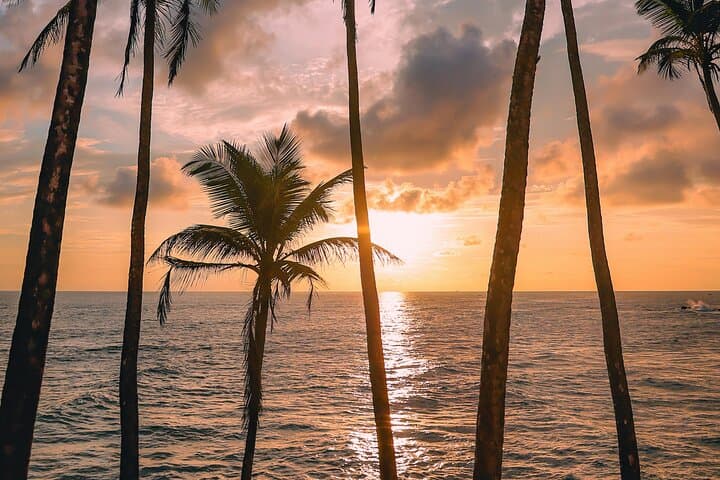


A salt-bright wind carries the first light across Mirissa’s crescent bay as the boat engines murmur awake—this is the kind of morning that asks you to move slow and keep watch. Over eight days the coastline alternates between wide golden beaches in Bentota, the coral gardens off Hikkaduwa, and the sheltered mangrove channels of the Madu River, each landscape nudging travelers toward the sea or the shade of a palm.
A salt-bright wind carries the first light across Mirissa’s crescent bay as the boat engines murmur awake—this is the kind of morning that asks you to move slow and keep watch. Over eight days the coastline alternates between wide golden beaches in Bentota, the coral gardens off Hikkaduwa, and the sheltered mangrove channels of the Madu River, each landscape nudging travelers toward the sea or the shade of a palm.
The southern coast’s layered history is visible in brick and mortar: Galle Fort’s Dutch ramparts, raised on Portuguese foundations in the 17th century, tell of trading empires and maritime crosswinds that shaped local culture. Geologically, the shore is a mix of coral platforms and sandy spits carved by monsoon currents; the mangroves around Madu River stabilize estuaries and host a quiet tangle of birds. Today coastal communities balance fishing traditions with tourism—boat operators and small cafés keep rhythms local.
Practical guidance: whale trips from Mirissa depart before dawn and last about 3–5 hours—expect ocean swell and bring motion-sickness prevention. Snorkeling at Hikkaduwa works best on calm mornings; reef-safe sunscreen protects marine life. River safaris are low-impact but dress for humidity and insect presence. Overnight stays are split between Bentota’s lagoon side and Mirissa’s beach hotels, with transfers of two to three hours between stops.
Plan for early mornings, light daypacks, and flexible timing. The sea will prod you forward; the tide decides the route.