THE ADVENTURE COLLECTIVE® · Independent discovery and booking for outdoor travel

Walk through the tea capital of Bangladesh on a three-day tour that pairs plantation views with semi-evergreen rainforest and a waterfall hike. Practical routes, local context and what to pack for muddy trails and humid days.
Walk through the tea capital of Bangladesh on a three-day tour that pairs plantation views with semi-evergreen rainforest and a waterfall hike. Practical routes, local context and what to pack for muddy trails and humid days.
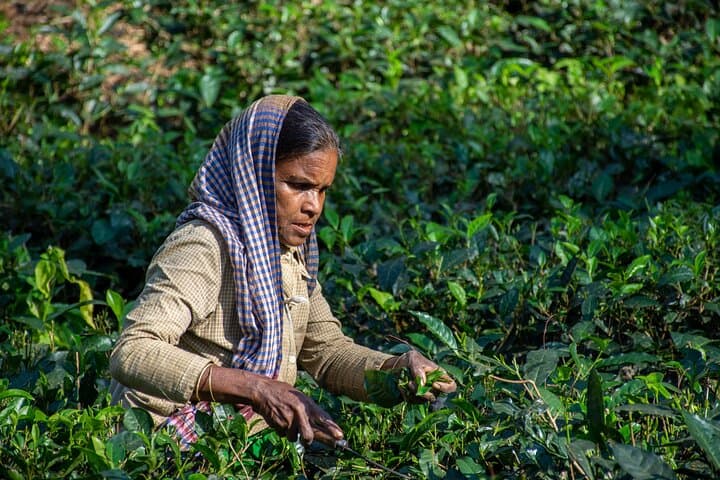
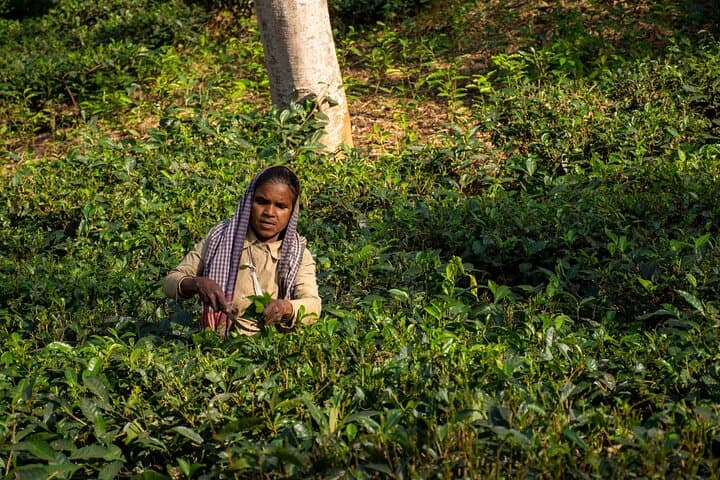
The breakfast steam lifts off the tea leaves as the minivan eases onto a rutted road toward the rainforest; damp air presses like a living thing against your jacket, and the hills roll in banded green ridges of tea. Over three days this tour threads together Sreemangal’s working tea estates, the semi-evergreen stands of Lawachara National Park, and the waterfall-fed pools of Humhum — landscapes where agriculture and rainforest meet.
Verified experiences and guided adventures in the surrounding area.
Operated by Dhaka Tours · Sreemangal, Moulvibazar District, Sylhet Division
The breakfast steam lifts off the tea leaves as the minivan eases onto a rutted road toward the rainforest; damp air presses like a living thing against your jacket, and the hills roll in banded green ridges of tea. Over three days this tour threads together Sreemangal’s working tea estates, the semi-evergreen stands of Lawachara National Park, and the waterfall-fed pools of Humhum — landscapes where agriculture and rainforest meet.
Sreemangal sits in Sylhet Division, Bangladesh’s tea heartland since British colonial planters reshaped the hills. Geologically the area is a low, folded landscape fed by tributaries of the Surma River; soils and humidity favor tea and rubber plantations. Local Khasi, Monipuri and Tripura communities maintain cultural traditions and small-scale farming; village visits in the rainforest offer quick cultural context rather than extended homestays.
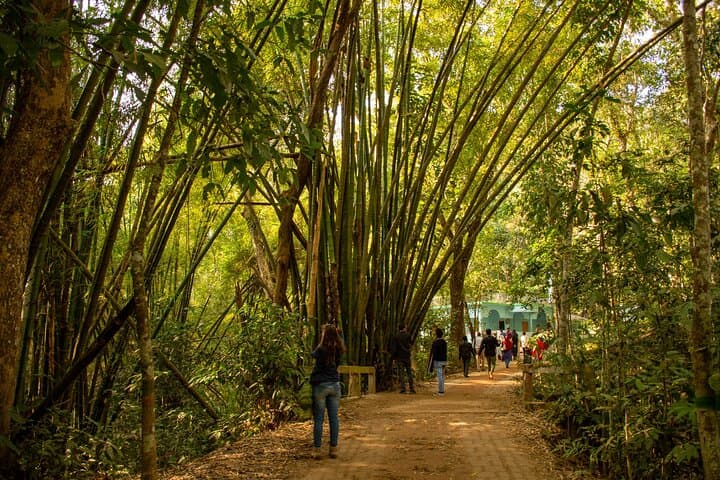
Expect a mix of short drives, plantation walks, and a moderately paced one-hour trail to Humhum waterfall. Trails are uneven, often muddy after rain, with dense undergrowth and loud bird and monkey activity. Lawachara’s forest fragments host varied trees and primates; Madhabpur Lake provides calmer water views bounded by tea slopes.
Practical guidance: bring sturdy, broken-in footwear and a lightweight rain jacket; plan hikes in daylight (the itinerary returns before dusk); carry at least 2 liters of water and insect repellent. Photography is rewarding at dawn and late afternoon when light slants across the tea rows. Respect local villages — ask before photographing people — and follow guide instructions on trail safety to keep the experience natural and sustainable.
moderate.
3 days.
Moderate fitness — able to walk up to an hour on uneven trails and tolerate humidity for several hours each day
The walk to Humhum takes about an hour each way on uneven jungle trail; it’s moderate — not technical, but you should be comfortable on slippery, rooty paths.
The itinerary notes eco-lodge or eco-resort stays included; expect basic, locally run lodging rather than luxury hotels.
Ground transport in a 4x4 or minivan is included for the tour’s scheduled transfers and excursions.
Local guides typically provide information about tea production, rainforest ecology and nearby indigenous communities, but village visits are brief and observational.
Sreemangal developed under colonial-era tea planting; many estates still follow practices introduced in the 19th century while local tribes maintain distinct cultural practices.
Lawachara is a protected fragment of semi-evergreen forest facing pressure from surrounding agriculture; stick to trails, avoid littering, and support local eco-lodges to minimize impact.
Dhaka Tours operates guided outdoor trips and adventures with an emphasis on safety, stewardship, and memorable experiences.

The breakfast steam lifts off the tea leaves as the minivan eases onto a rutted road toward the rainforest; damp air presses like a living thing against your jacket, and the hills roll in banded green ridges of tea. Over three days this tour threads together Sreemangal’s working tea estates, the semi-evergreen stands of Lawachara National Park, and the waterfall-fed pools of Humhum — landscapes where agriculture and rainforest meet.
The breakfast steam lifts off the tea leaves as the minivan eases onto a rutted road toward the rainforest; damp air presses like a living thing against your jacket, and the hills roll in banded green ridges of tea. Over three days this tour threads together Sreemangal’s working tea estates, the semi-evergreen stands of Lawachara National Park, and the waterfall-fed pools of Humhum — landscapes where agriculture and rainforest meet.
Sreemangal sits in Sylhet Division, Bangladesh’s tea heartland since British colonial planters reshaped the hills. Geologically the area is a low, folded landscape fed by tributaries of the Surma River; soils and humidity favor tea and rubber plantations. Local Khasi, Monipuri and Tripura communities maintain cultural traditions and small-scale farming; village visits in the rainforest offer quick cultural context rather than extended homestays.
Expect a mix of short drives, plantation walks, and a moderately paced one-hour trail to Humhum waterfall. Trails are uneven, often muddy after rain, with dense undergrowth and loud bird and monkey activity. Lawachara’s forest fragments host varied trees and primates; Madhabpur Lake provides calmer water views bounded by tea slopes.
Practical guidance: bring sturdy, broken-in footwear and a lightweight rain jacket; plan hikes in daylight (the itinerary returns before dusk); carry at least 2 liters of water and insect repellent. Photography is rewarding at dawn and late afternoon when light slants across the tea rows. Respect local villages — ask before photographing people — and follow guide instructions on trail safety to keep the experience natural and sustainable.