THE ADVENTURE COLLECTIVE® · Independent discovery and booking for outdoor travel

Drive east from Sarajevo to Potočari and step into one of modern Europe’s most somber memorials. This full-day guided tour combines historical context, courtroom findings, and the quiet spaces where identification and remembrance continue.
Drive east from Sarajevo to Potočari and step into one of modern Europe’s most somber memorials. This full-day guided tour combines historical context, courtroom findings, and the quiet spaces where identification and remembrance continue.
The road from Sarajevo unfurls for roughly two-and-a-half hours, trading the city’s Ottoman rooftops for mining scars and steep, forested ridges. As the van climbs and the Drina River comes into view, the landscape feels watchful — a valley that remembers. Arrival at Potočari is quiet by design: low-slung stone monuments, rows of white graves, and a museum whose footage and exhibits place you directly in July 1995.
Verified experiences and guided adventures in the surrounding area.
Operated by Torus Tours · Srebrenica, Republika Srpska
The road from Sarajevo unfurls for roughly two-and-a-half hours, trading the city’s Ottoman rooftops for mining scars and steep, forested ridges. As the van climbs and the Drina River comes into view, the landscape feels watchful — a valley that remembers. Arrival at Potočari is quiet by design: low-slung stone monuments, rows of white graves, and a museum whose footage and exhibits place you directly in July 1995.
The memorial center contextualizes the massacre declared genocide by the International Criminal Tribunal for the former Yugoslavia. The site at Potočari was once a UN-declared safe zone; it became ground zero for one of the worst atrocities of the Bosnian War. The center’s audiovisual presentations show archival material; outside, identification efforts continue each season, and thousands are buried in concentric plots opened since the memorial’s inauguration in 2003.
Geology and settlement patterns matter here — steep karst hills channel communities into narrow valleys, and strategic high ground shaped wartime movement. Local towns like Bratunac and Srebrenica carry layered histories: Ottoman markets, Austro-Hungarian infrastructure, then 20th-century fracture lines.
Practically, expect an 8–10 hour day with long drives and limited walking. Bring patience, comfortable footwear for graveyard paths, weather layers, and tissues — the visit is emotionally heavy and requires respectful behavior. Photography is allowed in some areas but withheld in sensitive displays; follow signage and guide instructions. Tours are small-group; ask about accessibility and restroom stops when you book. This is not sightseeing in the usual sense: it is an educational, solemn visit that asks visitors to witness, remember, and leave quietly.
easy.
8–10 hours.
Suitable for most fitness levels—mostly seated travel with short, level walks on memorial grounds
The drive is approximately 2.5 hours each way, making the tour a full-day outing (8–10 hours total).
Parts of the memorial center are wheelchair-accessible, but some outdoor cemetery areas have uneven ground—ask the operator about specific access needs when booking.
Children can attend, but the museum contains graphic wartime footage and descriptions; parental discretion is advised.
Most tours include hotel pickup in Sarajevo; shared groups are typically small (up to 8 travelers) — confirm pickup and group size at booking.
The Srebrenica massacre of July 1995 resulted in the deaths of more than 8,000 Bosniak men and boys; Potočari was later established as a memorial and cemetery where identification and burials continue.
The memorial is managed with care to preserve remains and documentation; visitors are asked to minimize impact by staying on paths and respecting signage.
Torus Tours operates guided outdoor trips and adventures with an emphasis on safety, stewardship, and memorable experiences.
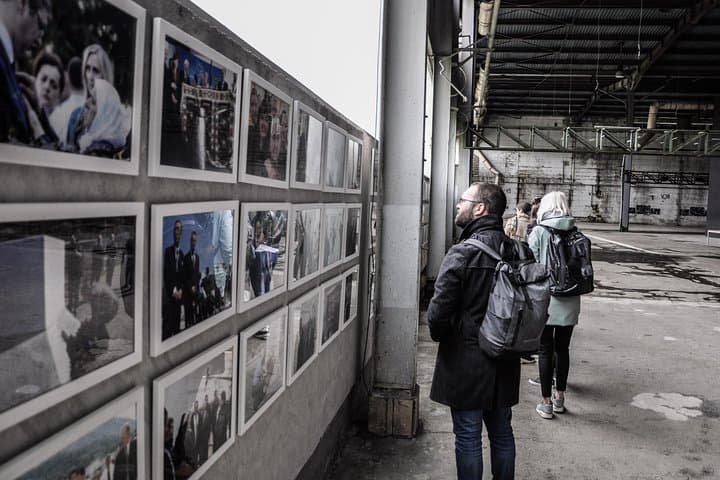

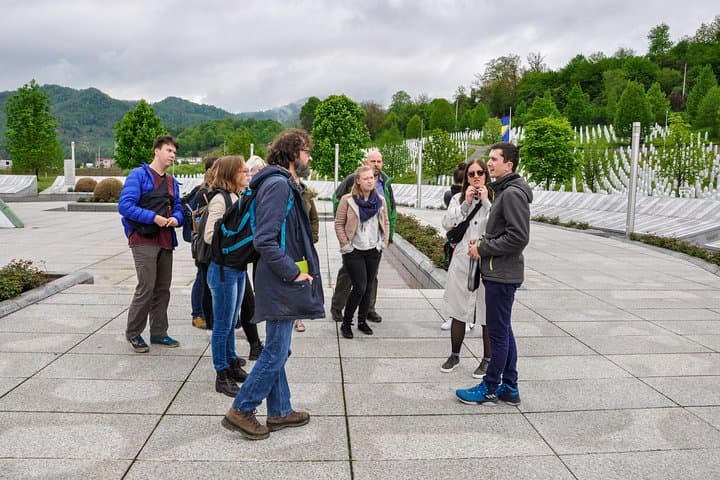
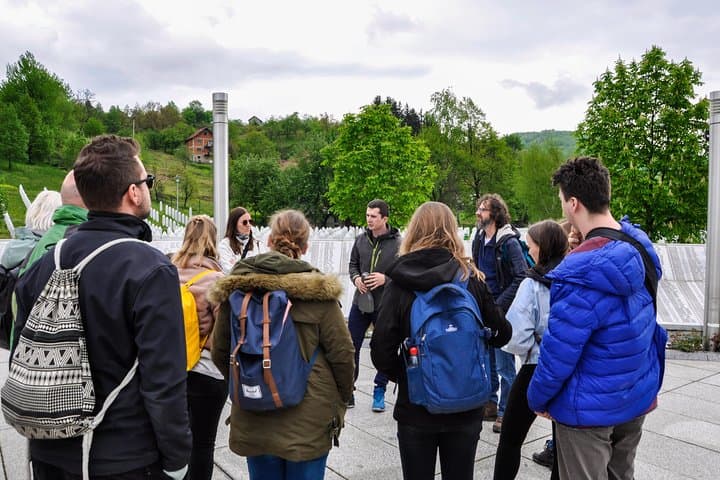
The road from Sarajevo unfurls for roughly two-and-a-half hours, trading the city’s Ottoman rooftops for mining scars and steep, forested ridges. As the van climbs and the Drina River comes into view, the landscape feels watchful — a valley that remembers. Arrival at Potočari is quiet by design: low-slung stone monuments, rows of white graves, and a museum whose footage and exhibits place you directly in July 1995.
The road from Sarajevo unfurls for roughly two-and-a-half hours, trading the city’s Ottoman rooftops for mining scars and steep, forested ridges. As the van climbs and the Drina River comes into view, the landscape feels watchful — a valley that remembers. Arrival at Potočari is quiet by design: low-slung stone monuments, rows of white graves, and a museum whose footage and exhibits place you directly in July 1995.
The memorial center contextualizes the massacre declared genocide by the International Criminal Tribunal for the former Yugoslavia. The site at Potočari was once a UN-declared safe zone; it became ground zero for one of the worst atrocities of the Bosnian War. The center’s audiovisual presentations show archival material; outside, identification efforts continue each season, and thousands are buried in concentric plots opened since the memorial’s inauguration in 2003.
Geology and settlement patterns matter here — steep karst hills channel communities into narrow valleys, and strategic high ground shaped wartime movement. Local towns like Bratunac and Srebrenica carry layered histories: Ottoman markets, Austro-Hungarian infrastructure, then 20th-century fracture lines.
Practically, expect an 8–10 hour day with long drives and limited walking. Bring patience, comfortable footwear for graveyard paths, weather layers, and tissues — the visit is emotionally heavy and requires respectful behavior. Photography is allowed in some areas but withheld in sensitive displays; follow signage and guide instructions. Tours are small-group; ask about accessibility and restroom stops when you book. This is not sightseeing in the usual sense: it is an educational, solemn visit that asks visitors to witness, remember, and leave quietly.