THE ADVENTURE COLLECTIVE® · Independent discovery and booking for outdoor travel

A full-day, curator-led study tour from Sarajevo to Potocari and Srebrenica that combines museum exhibits, memorial visits, and local testimony to explain the events of July 1995. This sobering trip requires time, emotional preparedness, and respectful behavior at sensitive sites.
A full-day, curator-led study tour from Sarajevo to Potocari and Srebrenica that combines museum exhibits, memorial visits, and local testimony to explain the events of July 1995. This sobering trip requires time, emotional preparedness, and respectful behavior at sensitive sites.
You step out of the minivan onto a cool, open field where the wind moves across low grass and the road you’ve just taken dips back toward Sarajevo. The silence at the Potocari Memorial Centre is immediate and deliberate — a public space shaped by grief and remembrance rather than spectacle.
Verified experiences and guided adventures in the surrounding area.
Operated by Dream Balkans Travel · Srebrenica, Republika Srpska
You step out of the minivan onto a cool, open field where the wind moves across low grass and the road you’ve just taken dips back toward Sarajevo. The silence at the Potocari Memorial Centre is immediate and deliberate — a public space shaped by grief and remembrance rather than spectacle.
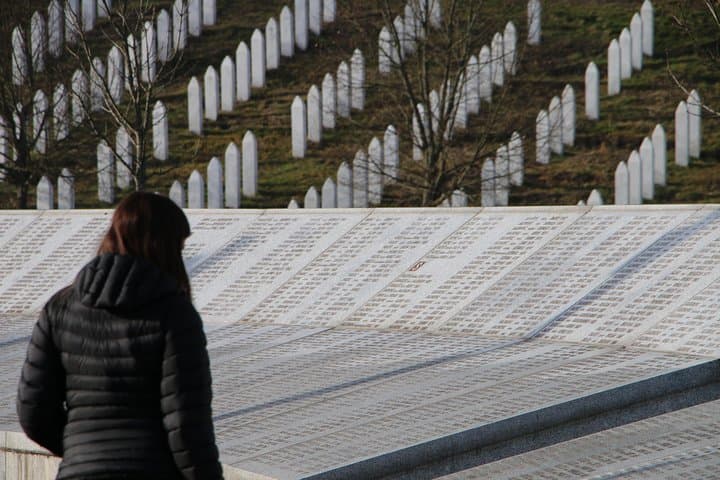
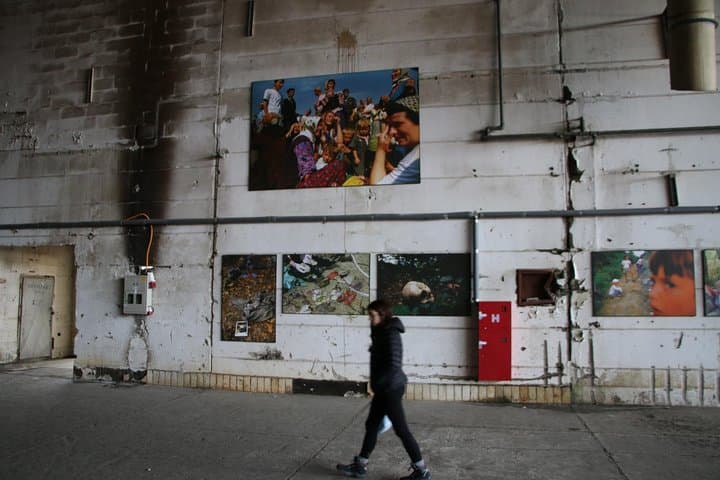
This day tour unpacks the late-20th-century collapse of Yugoslavia and the July 1995 mass murder of more than 8,000 Bosniak men and boys in and around Srebrenica. The route runs east from Sarajevo through folded, karst-influenced hills and sparsely populated valleys of Eastern Bosnia, a landscape that still carries traces of wartime movement and postwar recovery. Stops include the modern Museum of Srebrenica Genocide in former UN Dutch battalion headquarters, the Memorial Room with firsthand recordings, and the Potocari Memorial Cemetery where thousands are interred.
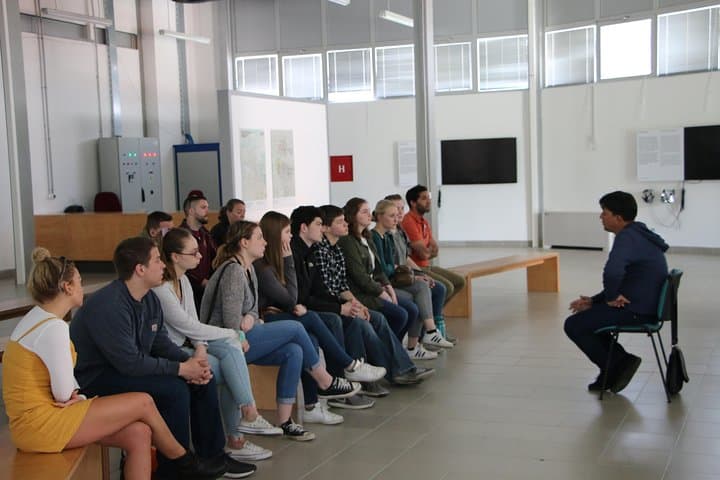
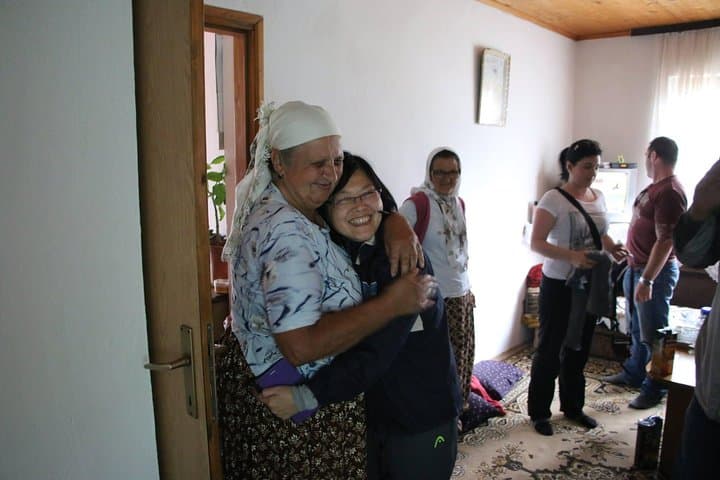
Expect long drives — roughly 2–2.5 hours each way on paved rural roads — interspersed with museum time, talks, and short walks across memorial grounds. The experience is primarily educational and reflective: multimedia exhibits, curator-led narratives, and local testimony give context to political, ethnic, and military developments that led to the atrocity. Cultural notes: lunch is simple local fare in Srebrenica; local communities continue identification work and annual commemorations.
Practical guidance: wear respectful, weather-appropriate clothing and comfortable shoes for standing and short walks; plan for emotional intensity and limited facilities; bring water and tissues; follow site rules regarding photography and silence. Allow a full day and give yourself time afterward to process what you’ve seen.
easy.
10 hours.
No special fitness required beyond standing and short level walks; visitors should tolerate several hours in a vehicle.
The drive takes about 2 to 2.5 hours each way on paved rural roads, making this a full-day (approximately 10-hour) excursion.
The content is mature and emotionally heavy; while physically accessible, consider the child’s ability to process difficult topics before bringing them.
A boxed lunch (traditional Bosnian sandwich) and bottled water are provided; vegetarian options are available on request.
Photography is generally allowed outdoors but may be restricted in certain exhibition spaces; always follow staff guidance and show respect at gravesites.
Srebrenica was a multiethnic industrial town that became internationally known after the 1995 mass murder; the Potocari centre preserves names, DNA identification work, and survivor testimony.
Local NGOs and international partners continue victim identification and archival projects; visitors can support remembrance efforts by following site rules and donating to accredited memorial programs.
Dream Balkans Travel operates guided outdoor trips and adventures with an emphasis on safety, stewardship, and memorable experiences.
You step out of the minivan onto a cool, open field where the wind moves across low grass and the road you’ve just taken dips back toward Sarajevo. The silence at the Potocari Memorial Centre is immediate and deliberate — a public space shaped by grief and remembrance rather than spectacle.
You step out of the minivan onto a cool, open field where the wind moves across low grass and the road you’ve just taken dips back toward Sarajevo. The silence at the Potocari Memorial Centre is immediate and deliberate — a public space shaped by grief and remembrance rather than spectacle.
This day tour unpacks the late-20th-century collapse of Yugoslavia and the July 1995 mass murder of more than 8,000 Bosniak men and boys in and around Srebrenica. The route runs east from Sarajevo through folded, karst-influenced hills and sparsely populated valleys of Eastern Bosnia, a landscape that still carries traces of wartime movement and postwar recovery. Stops include the modern Museum of Srebrenica Genocide in former UN Dutch battalion headquarters, the Memorial Room with firsthand recordings, and the Potocari Memorial Cemetery where thousands are interred.
Expect long drives — roughly 2–2.5 hours each way on paved rural roads — interspersed with museum time, talks, and short walks across memorial grounds. The experience is primarily educational and reflective: multimedia exhibits, curator-led narratives, and local testimony give context to political, ethnic, and military developments that led to the atrocity. Cultural notes: lunch is simple local fare in Srebrenica; local communities continue identification work and annual commemorations.
Practical guidance: wear respectful, weather-appropriate clothing and comfortable shoes for standing and short walks; plan for emotional intensity and limited facilities; bring water and tissues; follow site rules regarding photography and silence. Allow a full day and give yourself time afterward to process what you’ve seen.