THE ADVENTURE COLLECTIVE® · Independent discovery and booking for outdoor travel

Short, guided visits bring you close to naturally curious squirrel monkeys in a sanctuary aligned with local conservation. Learn animal behavior from bilingual guides while enjoying comfortable transport synchronized with cruise ports.
Short, guided visits bring you close to naturally curious squirrel monkeys in a sanctuary aligned with local conservation. Learn animal behavior from bilingual guides while enjoying comfortable transport synchronized with cruise ports.
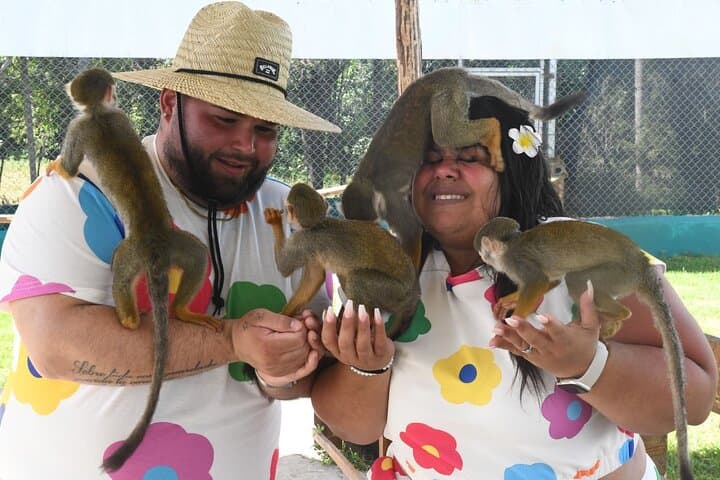
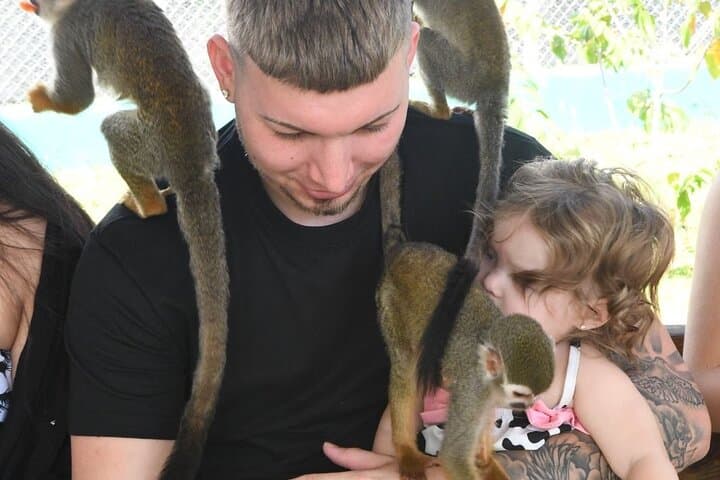
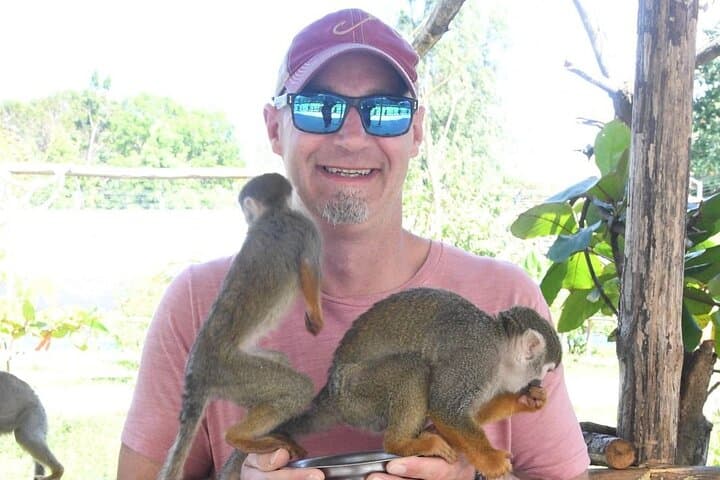
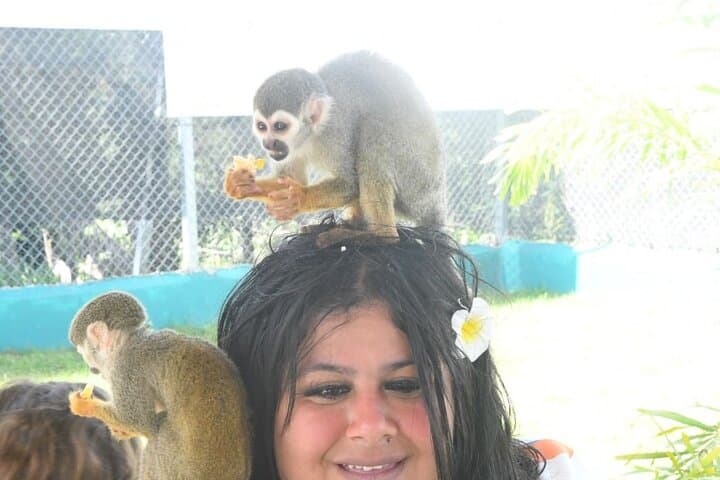
You step off a cruise shuttle into humid, fragrant air and a chorus of chattering: small, bright-eyed squirrel monkeys threading through low branches as if to greet you. The sanctuary’s shade canopy hums with insect life and the occasional rustle of a distant sea breeze — these primates move with quick curiosity, deciding when to approach and when to retreat.
Verified experiences and guided adventures in the surrounding area.
Operated by Jeytours · Puerto Plata, Puerto Plata
You step off a cruise shuttle into humid, fragrant air and a chorus of chattering: small, bright-eyed squirrel monkeys threading through low branches as if to greet you. The sanctuary’s shade canopy hums with insect life and the occasional rustle of a distant sea breeze — these primates move with quick curiosity, deciding when to approach and when to retreat.
The site occupies a patch of reforested land on Puerto Plata’s northern coast, where sugar-era plantations once dominated and coastal geology drops from limestone ridges into mangrove-lined bays. Guides explain how local conservation efforts have shifted land use toward protected habitat and community education, connecting visitors to both natural history and the region’s people.
Expect a short, guided immersion rather than a staged performance: bilingual naturalists cover diet, social behavior and humane interaction protocols while animals choose their proximity. The sanctuary emphasizes welfare — no forced contact, quiet observation and opportunities for memorable photos when monkeys descend of their own accord.
Practically, the experience is compact and accessible: about two hours total including air-conditioned transport from cruise ports like Amber Cove, bottled water and interpretive stops. Wear closed-toe shoes for uneven trails, bring insect repellent and a lens with modest zoom — flashes and feeding are not permitted. Morning visits offer cooler temperatures and livelier activity; afternoons can be hotter and drowsier.
This is an easy, educational wildlife encounter best suited to travelers who value ethical viewing and local-guided interpretation. Follow guide instructions, keep movements slow, and treat the visit as a chance to witness wild behavior rather than stage interaction.
easy.
2 hours.
Suitable for all fitness levels; involves short, mostly flat walking on natural trails
The sanctuary maintains a semi-wild, protected environment where squirrel monkeys live in spacious enclosures and reforested areas and choose when to interact with visitors.
Yes—families are welcome, but children should be supervised and follow guide instructions to avoid startling the animals.
Yes—operators coordinate air-conditioned round-trip transport with cruise schedules; pick-up times are synchronized with port arrivals.
No—feeding and handling are prohibited to protect animal health and natural behavior; guides will explain safe viewing protocols.
The northern Puerto Plata coast transitioned from colonial plantations to mixed-use landscapes; several sanctuaries now reclaim former agricultural land for conservation and education.
The sanctuary emphasizes non-invasive interaction and rehabilitation; visitors are asked to follow no-feeding rules and support locally run conservation programs where proceeds fund habitat care.
Jeytours operates guided outdoor trips and adventures with an emphasis on safety, stewardship, and memorable experiences.
You step off a cruise shuttle into humid, fragrant air and a chorus of chattering: small, bright-eyed squirrel monkeys threading through low branches as if to greet you. The sanctuary’s shade canopy hums with insect life and the occasional rustle of a distant sea breeze — these primates move with quick curiosity, deciding when to approach and when to retreat.
You step off a cruise shuttle into humid, fragrant air and a chorus of chattering: small, bright-eyed squirrel monkeys threading through low branches as if to greet you. The sanctuary’s shade canopy hums with insect life and the occasional rustle of a distant sea breeze — these primates move with quick curiosity, deciding when to approach and when to retreat.
The site occupies a patch of reforested land on Puerto Plata’s northern coast, where sugar-era plantations once dominated and coastal geology drops from limestone ridges into mangrove-lined bays. Guides explain how local conservation efforts have shifted land use toward protected habitat and community education, connecting visitors to both natural history and the region’s people.
Expect a short, guided immersion rather than a staged performance: bilingual naturalists cover diet, social behavior and humane interaction protocols while animals choose their proximity. The sanctuary emphasizes welfare — no forced contact, quiet observation and opportunities for memorable photos when monkeys descend of their own accord.
Practically, the experience is compact and accessible: about two hours total including air-conditioned transport from cruise ports like Amber Cove, bottled water and interpretive stops. Wear closed-toe shoes for uneven trails, bring insect repellent and a lens with modest zoom — flashes and feeding are not permitted. Morning visits offer cooler temperatures and livelier activity; afternoons can be hotter and drowsier.
This is an easy, educational wildlife encounter best suited to travelers who value ethical viewing and local-guided interpretation. Follow guide instructions, keep movements slow, and treat the visit as a chance to witness wild behavior rather than stage interaction.