THE ADVENTURE COLLECTIVE® · Independent discovery and booking for outdoor travel

Play a 15th-century spy in Lisbon on a 2–3 hour self-guided walk that follows Vasco da Gama’s world-changing era through Baixa and Alfama. Expect cobblestones, viewpoints over the Tagus, and layered history at every turn.
Play a 15th-century spy in Lisbon on a 2–3 hour self-guided walk that follows Vasco da Gama’s world-changing era through Baixa and Alfama. Expect cobblestones, viewpoints over the Tagus, and layered history at every turn.
You step from a sun-warmed calçada into a plaza that remembers kings and cartographers — the city hums, gulls wheel over the Tagus, and the past takes on the cadence of conversation. This self-guided walking tour threads Baixa and Alfama, asking you to move like a 15th-century spy: alert, curious and ready to sidestep both guards and grand narratives.
Verified experiences and guided adventures in the surrounding area.
Operated by LiveHistory Adventure · Lisbon, Lisbon
You step from a sun-warmed calçada into a plaza that remembers kings and cartographers — the city hums, gulls wheel over the Tagus, and the past takes on the cadence of conversation. This self-guided walking tour threads Baixa and Alfama, asking you to move like a 15th-century spy: alert, curious and ready to sidestep both guards and grand narratives.
The route traces Lisbon’s Age of Discoveries and the scars left by the 1755 earthquake. Stones, narrow alleys and baroque façades tell the story of an outward-looking maritime power; churches and squares mark moments of conquest, conversion and commerce. Geologically, the city sits on fractured sediment and reclaimed estuary edges — the slopes you climb are old terraces cut into soft ground and lined in centuries of human rebuilding.
Culturally, the walk places you among sailors’ taverns, azulejo workshops and viewpoints where the Tagus feels like an accomplice daring you toward the sea. Expect cobblestone streets, sudden stairways, and viewpoints such as Santa Luzia that reward slow steps with wide river views.
Practical guidance: the self-guided experience takes about 2–3 hours; bring sturdy shoes for uneven calçada, a charged phone for the provided code and offline maps, and water. Public transport links and cafés are frequent, but watch for steep pitches and narrow lanes during peak hours. The tour is low-impact but sensitive to personal health — it’s not recommended for people with serious heart conditions or pregnancy. Move deliberately, read the plaques, and let the city’s real textures—salt air, stone dust and ringing trams—shape the mission.
easy.
2–3 hours.
Light to moderate — you should be comfortable walking on uneven surfaces and negotiating stairs for a few hours.
After purchase you’ll get an email with a link and code; go to the designated starting point in Baixa and enter the code to begin the self-guided audio/visual content.
Yes, generally — but expect stairs and uneven cobbles; bring mobility aids only if they handle tight streets and steps.
Content availability depends on the provider; check the product page before booking for language options included with the tour.
Yes — being self-guided allows you to stop at cafés or viewpoints and resume the experience when you’re ready.
The walk centers on Lisbon’s role in the Age of Discoveries and the urban reshaping after the 1755 earthquake that leveled much of the riverside Ribeira Palace area.
Historic streets and viewpoints are fragile; stick to marked paths, avoid climbing on ruins, and carry out litter—tourist wear contributes to long-term erosion and conservation needs.
LiveHistory Adventure operates guided outdoor trips and adventures with an emphasis on safety, stewardship, and memorable experiences.
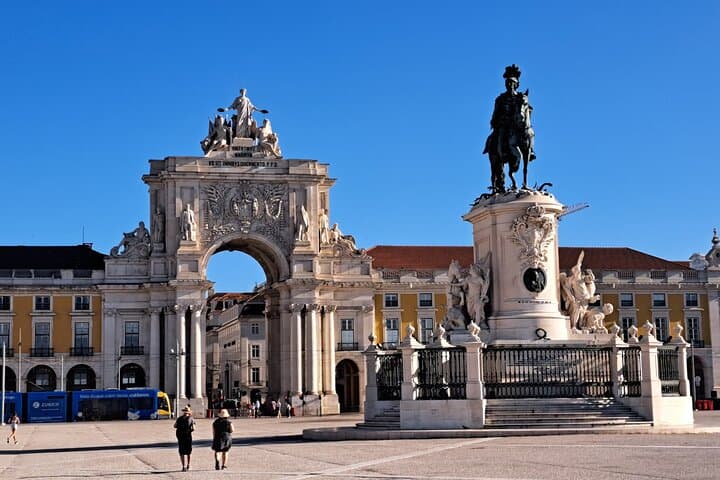
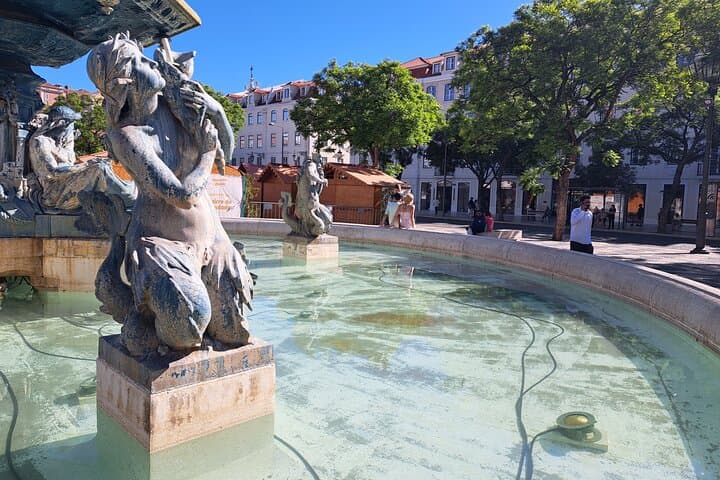
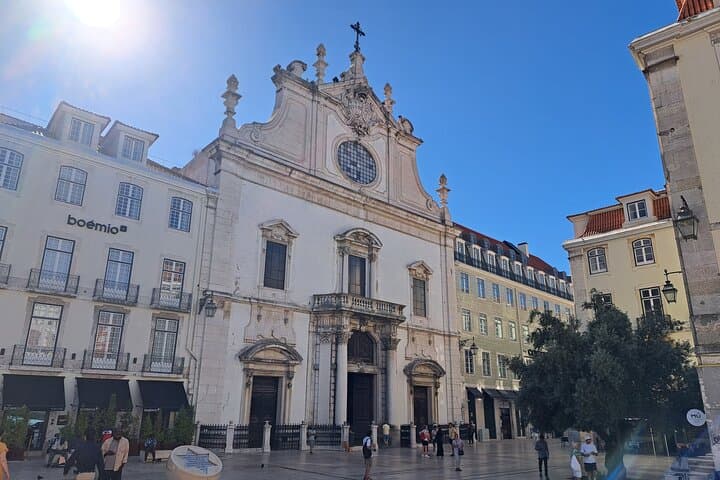
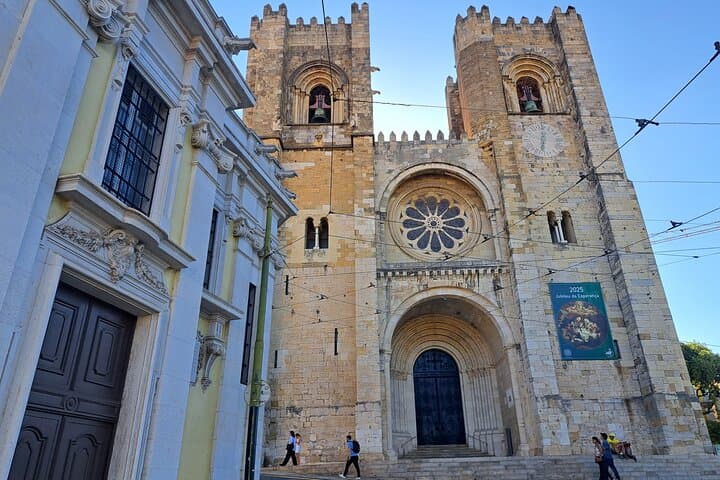
You step from a sun-warmed calçada into a plaza that remembers kings and cartographers — the city hums, gulls wheel over the Tagus, and the past takes on the cadence of conversation. This self-guided walking tour threads Baixa and Alfama, asking you to move like a 15th-century spy: alert, curious and ready to sidestep both guards and grand narratives.
You step from a sun-warmed calçada into a plaza that remembers kings and cartographers — the city hums, gulls wheel over the Tagus, and the past takes on the cadence of conversation. This self-guided walking tour threads Baixa and Alfama, asking you to move like a 15th-century spy: alert, curious and ready to sidestep both guards and grand narratives.
The route traces Lisbon’s Age of Discoveries and the scars left by the 1755 earthquake. Stones, narrow alleys and baroque façades tell the story of an outward-looking maritime power; churches and squares mark moments of conquest, conversion and commerce. Geologically, the city sits on fractured sediment and reclaimed estuary edges — the slopes you climb are old terraces cut into soft ground and lined in centuries of human rebuilding.
Culturally, the walk places you among sailors’ taverns, azulejo workshops and viewpoints where the Tagus feels like an accomplice daring you toward the sea. Expect cobblestone streets, sudden stairways, and viewpoints such as Santa Luzia that reward slow steps with wide river views.
Practical guidance: the self-guided experience takes about 2–3 hours; bring sturdy shoes for uneven calçada, a charged phone for the provided code and offline maps, and water. Public transport links and cafés are frequent, but watch for steep pitches and narrow lanes during peak hours. The tour is low-impact but sensitive to personal health — it’s not recommended for people with serious heart conditions or pregnancy. Move deliberately, read the plaques, and let the city’s real textures—salt air, stone dust and ringing trams—shape the mission.