THE ADVENTURE COLLECTIVE® · Independent discovery and booking for outdoor travel

Learn to identify at least ten edible plants on a guided spring foraging walk around Howth Head. This 2.5-hour tour blends coastal natural history, local food traditions, and practical plant-use tips.
Learn to identify at least ten edible plants on a guided spring foraging walk around Howth Head. This 2.5-hour tour blends coastal natural history, local food traditions, and practical plant-use tips.
You step off the seaside lane into wind-sculpted gorse and a chorus of wheeling gulls — Howth Head opens like a living pantry, the sea daring you to look inland. Nicole begins at a low stone wall, pointing out liverwort tucked under moss and young nettle shoots bristling with vitamin-rich leaves. The air smells of salt and crushed herb.
Verified experiences and guided adventures in the surrounding area.
Operated by Howth Foraging · Howth, County Dublin
You step off the seaside lane into wind-sculpted gorse and a chorus of wheeling gulls — Howth Head opens like a living pantry, the sea daring you to look inland. Nicole begins at a low stone wall, pointing out liverwort tucked under moss and young nettle shoots bristling with vitamin-rich leaves. The air smells of salt and crushed herb.
Howth has been a working coastline for centuries: Viking landings and Norman strongholds left traces around the castle grounds and fishing village. Geologically, the headland is ancient sandstone and shale, worn into cliffs and pocketed soils that support a surprising diversity of coastal flora. Culturally, locals still forage for samphire and seaweed; the tour connects those traditions to modern culinary uses.
The hour-and-a-half walk moves at an educational pace — expect 1.5–2.5 miles over uneven paths with short climbs and exposed ridgelines. Nicole teaches safe identification rules, ethical harvesting, and quick processing for snacks and recipes; vegetarian snacks are included.
Practical notes: wear grippy boots and layered weatherproofs — coastal weather shifts fast. Bring a small notebook, a camera, and a closed container for any permitted samples. The group size keeps the experience intimate but book ahead; tours fill in spring. Respect protected plants and stick with the guide when identifying fungi or lookalike species.
This is a hands-on introduction to edible and medicinal wild plants on Howth Head, pairing natural history with immediately usable culinary tips.
moderate.
2–3 hours.
Moderate fitness: comfortable walking on uneven coastal paths with some short climbs.
Yes — strollers are accessible for infants and small children, but children should be supervised and able to manage uneven paths.
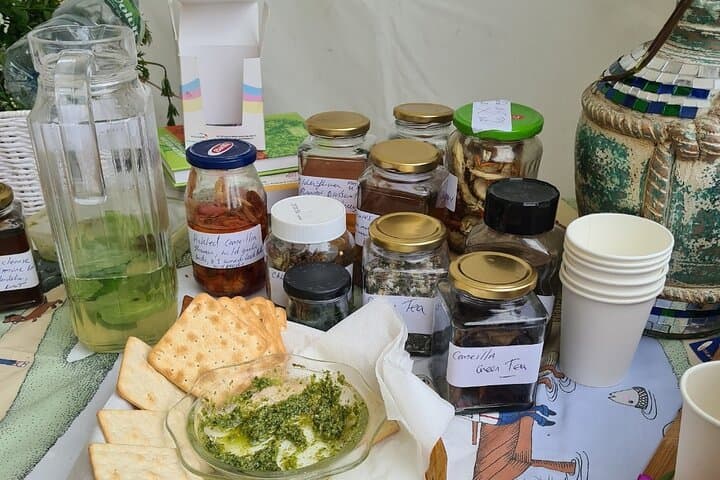
Yes, snacks are provided and the guide will allow tasting only of species she has positively identified as safe.
Howth is reachable by Dublin’s DART rail service and local buses; the tour listing provides exact meet-up details after booking.
For a full refund cancel at least 24 hours before the tour; cancellations within 24 hours are not refundable.
Howth’s coastline saw Viking and Norman activity; Howth Castle and the fishing village reflect centuries of maritime culture.
Foragers are encouraged to follow low-impact rules: take photos not plants when unsure, harvest minimal samples, and avoid protected species or sensitive habitats.
Howth Foraging operates guided outdoor trips and adventures with an emphasis on safety, stewardship, and memorable experiences.
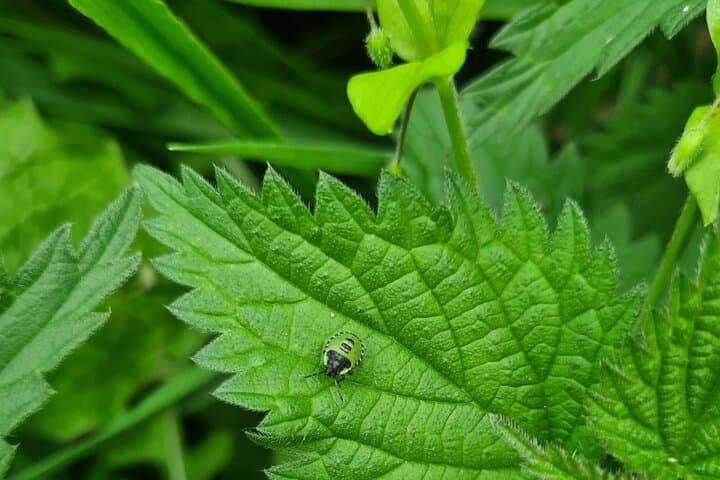
You step off the seaside lane into wind-sculpted gorse and a chorus of wheeling gulls — Howth Head opens like a living pantry, the sea daring you to look inland. Nicole begins at a low stone wall, pointing out liverwort tucked under moss and young nettle shoots bristling with vitamin-rich leaves. The air smells of salt and crushed herb.
You step off the seaside lane into wind-sculpted gorse and a chorus of wheeling gulls — Howth Head opens like a living pantry, the sea daring you to look inland. Nicole begins at a low stone wall, pointing out liverwort tucked under moss and young nettle shoots bristling with vitamin-rich leaves. The air smells of salt and crushed herb.
Howth has been a working coastline for centuries: Viking landings and Norman strongholds left traces around the castle grounds and fishing village. Geologically, the headland is ancient sandstone and shale, worn into cliffs and pocketed soils that support a surprising diversity of coastal flora. Culturally, locals still forage for samphire and seaweed; the tour connects those traditions to modern culinary uses.
The hour-and-a-half walk moves at an educational pace — expect 1.5–2.5 miles over uneven paths with short climbs and exposed ridgelines. Nicole teaches safe identification rules, ethical harvesting, and quick processing for snacks and recipes; vegetarian snacks are included.
Practical notes: wear grippy boots and layered weatherproofs — coastal weather shifts fast. Bring a small notebook, a camera, and a closed container for any permitted samples. The group size keeps the experience intimate but book ahead; tours fill in spring. Respect protected plants and stick with the guide when identifying fungi or lookalike species.
This is a hands-on introduction to edible and medicinal wild plants on Howth Head, pairing natural history with immediately usable culinary tips.