THE ADVENTURE COLLECTIVE® · Independent discovery and booking for outdoor travel

Spend a day wandering the Olympic Forest Park in spring when cherry, apricot and magnolia bloom across engineered wetlands and tree-lined paths. This guided full-day tour covers both north and south sections with hotel pickup and optional stadium visits.
Spend a day wandering the Olympic Forest Park in spring when cherry, apricot and magnolia bloom across engineered wetlands and tree-lined paths. This guided full-day tour covers both north and south sections with hotel pickup and optional stadium visits.
You step out of the air-conditioned van and the park opens up like a breath of green—the paths lined by buds and a breeze that seems to pull you toward the next stand of blossoms.
Verified experiences and guided adventures in the surrounding area.
Operated by Catherine Lu Tours · Beijing, Beijing
You step out of the air-conditioned van and the park opens up like a breath of green—the paths lined by buds and a breeze that seems to pull you toward the next stand of blossoms.
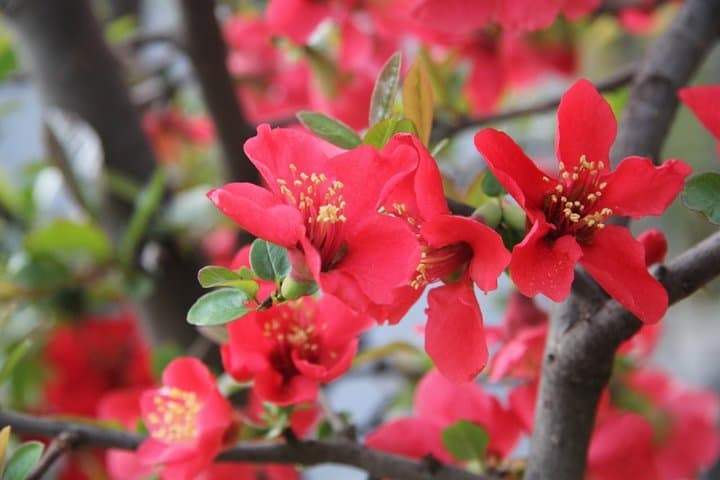
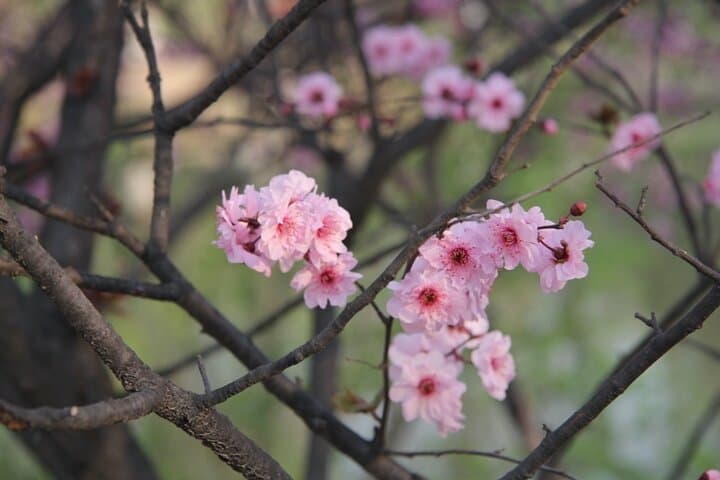
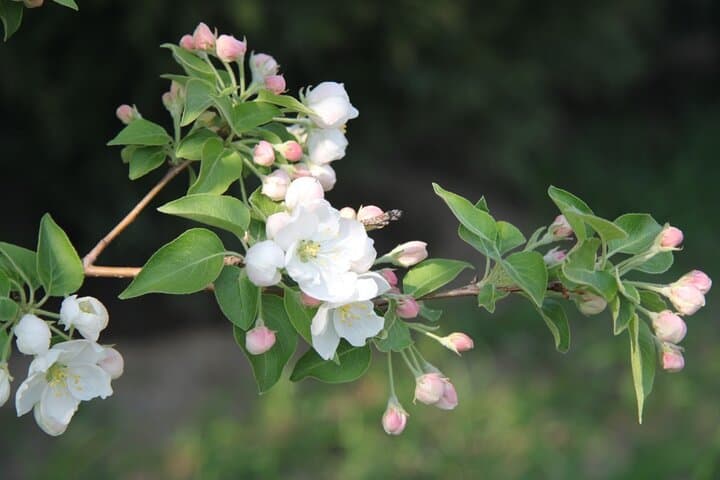
Beijing Olympic Forest Park occupies the northern end of the city’s central axis, a constructed green space born from the 2008 Olympic development. The terrain is gentle—man-made wetlands, lakes and planted terraces—so the walking is steady rather than strenuous. In spring the park stages a clear, visual calendar: cherry and apricot trees erupt first, followed by magnolia, begonias and clove, while forsythia edges the paths in bright yellow.
Culturally the park functions as a local commons: morning tai chi groups, cyclists on the service roads and families picnicking beneath the trees. Geologically the site sits on the North China Plain; engineered lakes and reed beds were added to attract birds and buffer runoff.
Practical note: this is a relaxed, full-day outing—expect roughly eight hours if you visit both the north and south sections, with options to ride the park shuttle. Lunch isn’t included; either pack a picnic or try a nearby restaurant. Optional visits to the Bird’s Nest and Water Cube are available at your own cost.
Bring comfortable walking shoes, sun protection and a lightweight jacket for spring breezes. Keep to boardwalks and marked beds—volunteers and staff actively manage plantings. Whether you move at a slow, observational pace or use the shuttle to cover ground, the park reads like a seasonal notebook of Beijing life, and its flowers are a reliable reason to slow down and look around.
easy.
8 hours.
Light walking fitness; suitable for most ages who can be on their feet for several hours
No—visits to the Bird’s Nest and Water Cube are optional and require separate admission paid by participants.
The tour lasts about 8 hours and includes private hotel pickup from downtown Beijing as listed at booking.
Yes—this is rated easy and appropriate for most fitness levels, though participants should be comfortable walking for several hours.
Standard cancellation policy allows for a full refund if cancelled at least 24 hours in advance; the tour does not automatically cancel for light rain.
Constructed as part of Beijing’s 2008 Olympic development, the park was designed as an urban green lung and recreational hub divided into north and south sections.
The park’s planted wetlands were created for stormwater management and habitat; visitors are asked to stay on paths and avoid disturbing plantings to support ongoing ecological restoration.
Catherine Lu Tours operates guided outdoor trips and adventures with an emphasis on safety, stewardship, and memorable experiences.

You step out of the air-conditioned van and the park opens up like a breath of green—the paths lined by buds and a breeze that seems to pull you toward the next stand of blossoms.
You step out of the air-conditioned van and the park opens up like a breath of green—the paths lined by buds and a breeze that seems to pull you toward the next stand of blossoms.
Beijing Olympic Forest Park occupies the northern end of the city’s central axis, a constructed green space born from the 2008 Olympic development. The terrain is gentle—man-made wetlands, lakes and planted terraces—so the walking is steady rather than strenuous. In spring the park stages a clear, visual calendar: cherry and apricot trees erupt first, followed by magnolia, begonias and clove, while forsythia edges the paths in bright yellow.
Culturally the park functions as a local commons: morning tai chi groups, cyclists on the service roads and families picnicking beneath the trees. Geologically the site sits on the North China Plain; engineered lakes and reed beds were added to attract birds and buffer runoff.
Practical note: this is a relaxed, full-day outing—expect roughly eight hours if you visit both the north and south sections, with options to ride the park shuttle. Lunch isn’t included; either pack a picnic or try a nearby restaurant. Optional visits to the Bird’s Nest and Water Cube are available at your own cost.
Bring comfortable walking shoes, sun protection and a lightweight jacket for spring breezes. Keep to boardwalks and marked beds—volunteers and staff actively manage plantings. Whether you move at a slow, observational pace or use the shuttle to cover ground, the park reads like a seasonal notebook of Beijing life, and its flowers are a reliable reason to slow down and look around.