THE ADVENTURE COLLECTIVE® · Independent discovery and booking for outdoor travel

Cruise mainland fjords from Campbell River in spring to see swollen waterfalls and shore-foraging black bears. This naturalist-led boat tour combines warm cabins, walk-around decks and targeted wildlife viewing for a full-day coastal adventure.
Cruise mainland fjords from Campbell River in spring to see swollen waterfalls and shore-foraging black bears. This naturalist-led boat tour combines warm cabins, walk-around decks and targeted wildlife viewing for a full-day coastal adventure.
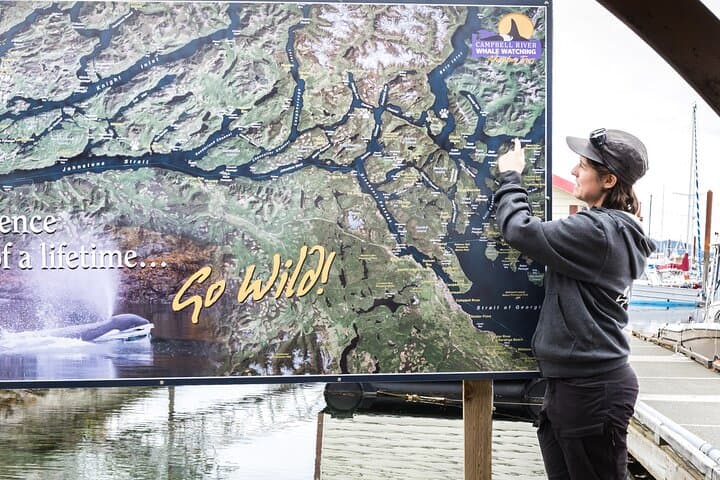
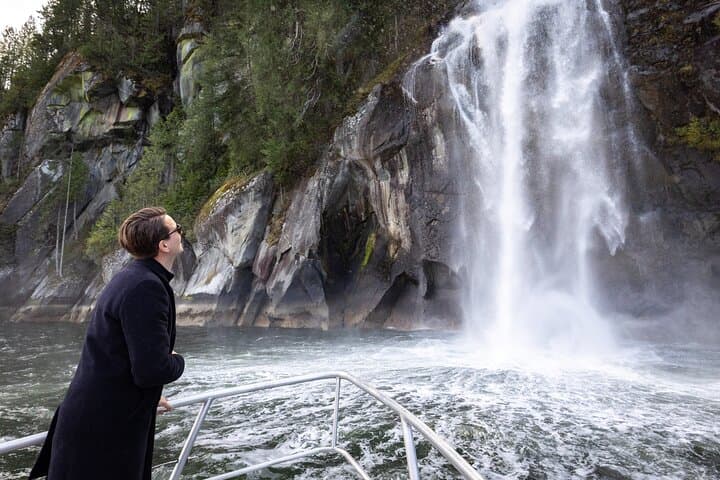
The boat slips away from Campbell River with a low thrum; salt air tastes of meltwater and cedar. Morning light slices across narrow fjords as the vessel threads into a maze of high cliffs and scoured shores. Waterfalls, swollen by spring runoff, throw sheets of white down basalt faces while the intertidal zone below grooms itself for the day’s foragers.
Verified experiences and guided adventures in the surrounding area.
Operated by Campbell River Whale Watching & Adventure Tours · Campbell River, British Columbia
The boat slips away from Campbell River with a low thrum; salt air tastes of meltwater and cedar. Morning light slices across narrow fjords as the vessel threads into a maze of high cliffs and scoured shores. Waterfalls, swollen by spring runoff, throw sheets of white down basalt faces while the intertidal zone below grooms itself for the day’s foragers.
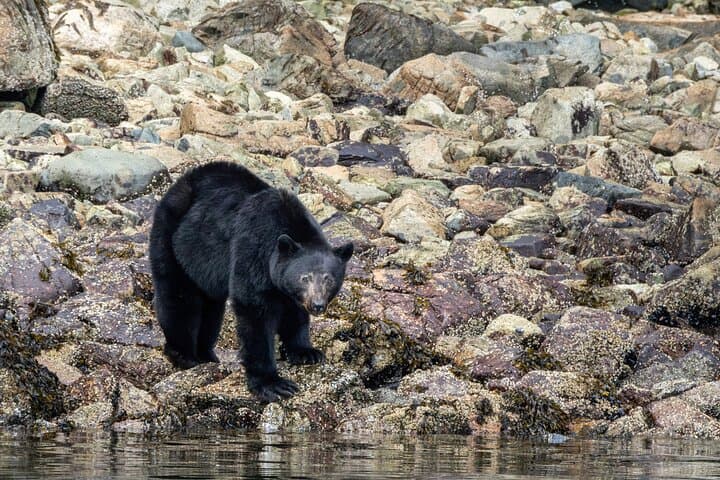
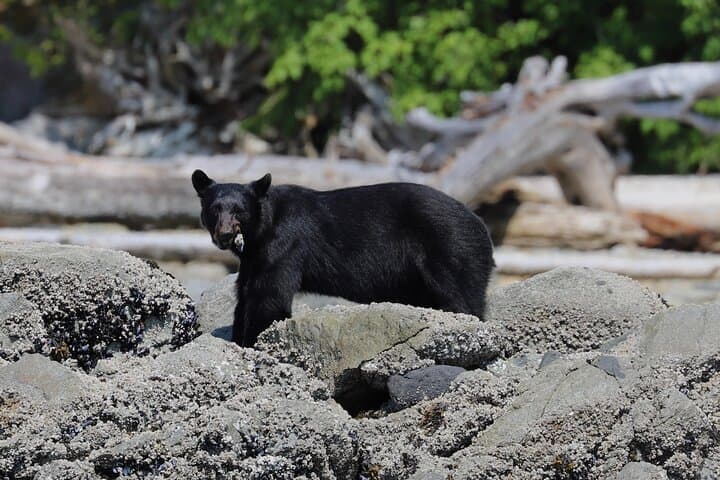
This stretch of coast sits on the edge of the mainland inlets carved by glaciers and rivers over millennia. The steep-sided fiords and exposed shorelines concentrate shellfish biomass—exactly what draws black bears out of timbered slopes to forage at low tide. The area is also part of traditional territories of local First Nations, who have long harvested the same resources and stewarded these shorelines.
Expect a guided, naturalist-led trip aboard a covered vessel with heated cabin, restrooms and walk-around decks for unobstructed viewing. Guides scan beaches and ledges for black bears, sea lions and seabirds and will brief the group on safe viewing etiquette. Wildlife sightings are seasonal and never guaranteed, but spring offers some of the most dramatic waterfall flows and active shoreline feeding.
Practical tips: dress in waterproof layers and bring binoculars, a camera with a telephoto lens, and seasickness remedies if needed. Timing matters—tide charts influence where bears forage—so follow the guide’s advice on when to move for the best light and sightings. Leave no trace: avoid tossing food and follow distance protocols to protect both animals and the fragile intertidal ecology.
easy.
6–7 hours.
Suitable for most fitness levels; requires ability to board a small vessel and stand on deck for viewing periods.
The tour is approximately 7 hours and includes lunch, snacks, coffee/tea, onboard restrooms, and guidance from a naturalist.
Wildlife sightings are likely in spring but never guaranteed; guides maximize opportunities by using local knowledge of tides and recent sightings.
The trip is generally family-friendly, but infants must sit on laps and passengers should be able to board the vessel and stand on deck; consult the operator for special needs.
Dress in waterproof layers, bring binoculars, a camera, a hat, and motion-sickness remedies if prone to seasickness.
These inlets were shaped by repeated glaciation and are within territories long used by Indigenous peoples for marine harvests and cultural use.
Operators follow strict viewing distances and low-impact practices; stay on-board and follow guide instructions to reduce disturbance to wildlife and intertidal habitats.
Campbell River Whale Watching & Adventure Tours operates guided outdoor trips and adventures with an emphasis on safety, stewardship, and memorable experiences.
The boat slips away from Campbell River with a low thrum; salt air tastes of meltwater and cedar. Morning light slices across narrow fjords as the vessel threads into a maze of high cliffs and scoured shores. Waterfalls, swollen by spring runoff, throw sheets of white down basalt faces while the intertidal zone below grooms itself for the day’s foragers.
The boat slips away from Campbell River with a low thrum; salt air tastes of meltwater and cedar. Morning light slices across narrow fjords as the vessel threads into a maze of high cliffs and scoured shores. Waterfalls, swollen by spring runoff, throw sheets of white down basalt faces while the intertidal zone below grooms itself for the day’s foragers.
This stretch of coast sits on the edge of the mainland inlets carved by glaciers and rivers over millennia. The steep-sided fiords and exposed shorelines concentrate shellfish biomass—exactly what draws black bears out of timbered slopes to forage at low tide. The area is also part of traditional territories of local First Nations, who have long harvested the same resources and stewarded these shorelines.
Expect a guided, naturalist-led trip aboard a covered vessel with heated cabin, restrooms and walk-around decks for unobstructed viewing. Guides scan beaches and ledges for black bears, sea lions and seabirds and will brief the group on safe viewing etiquette. Wildlife sightings are seasonal and never guaranteed, but spring offers some of the most dramatic waterfall flows and active shoreline feeding.
Practical tips: dress in waterproof layers and bring binoculars, a camera with a telephoto lens, and seasickness remedies if needed. Timing matters—tide charts influence where bears forage—so follow the guide’s advice on when to move for the best light and sightings. Leave no trace: avoid tossing food and follow distance protocols to protect both animals and the fragile intertidal ecology.