THE ADVENTURE COLLECTIVE® · Independent discovery and booking for outdoor travel

Ride a historic 55km off-road route from Kohatu to Nelson that winds through hop fields, native forest and Spooner’s Tunnel—the southern hemisphere’s longest cycle tunnel. Expect varied gravel, a long dark tunnel, and local taverns to toast your finish.
Ride a historic 55km off-road route from Kohatu to Nelson that winds through hop fields, native forest and Spooner’s Tunnel—the southern hemisphere’s longest cycle tunnel. Expect varied gravel, a long dark tunnel, and local taverns to toast your finish.
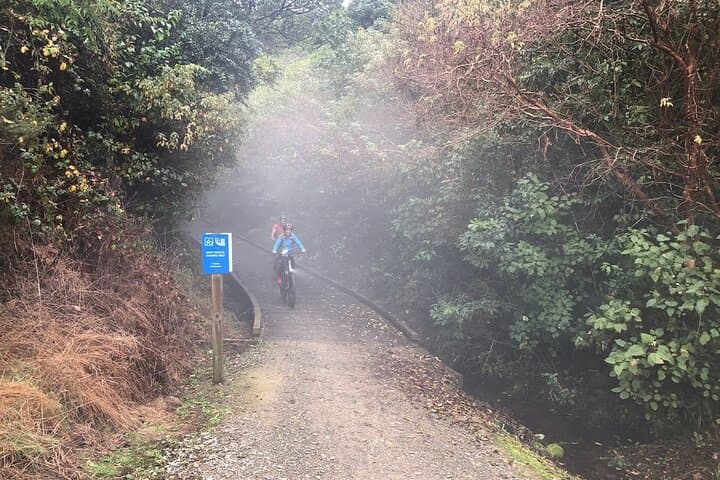
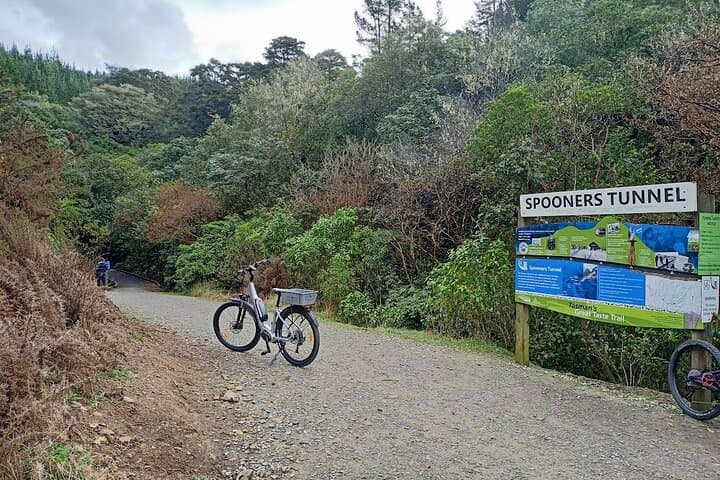
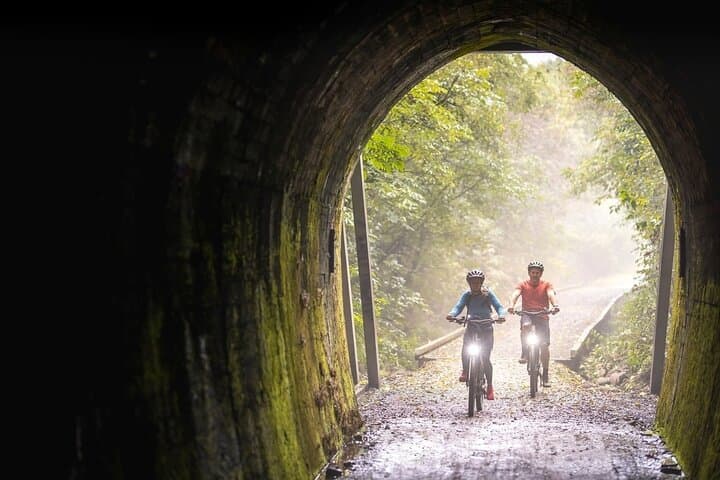
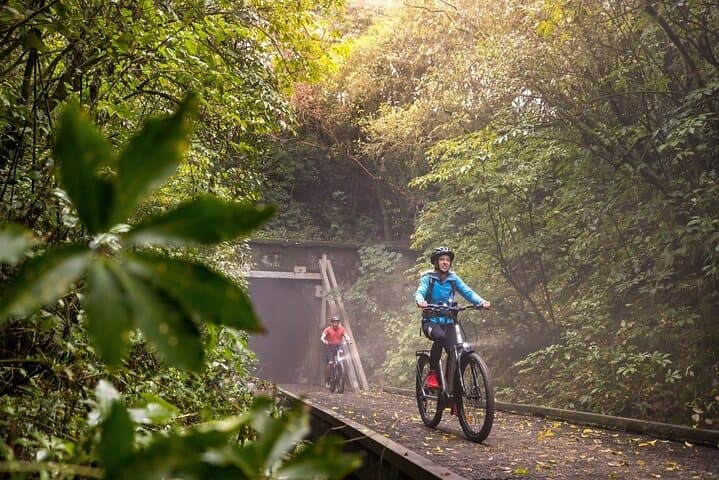
You step off the shuttle at Kohatu Flat Rock Café with steam from a coffee mingling with hop vines and a saddle beneath you. The trail unfurls downhill—first through agricultural flats, then into a pocket of native bush where the air cools and a river seems to dare you to keep pace. The route follows the old Nelson railway corridor, a visible scar of history that guides you toward Spooner’s Tunnel: a long, black throat that swallows light until your lamp answers back.
Verified experiences and guided adventures in the surrounding area.
Operated by Cycle Nelson · Nelson, Tasman
You step off the shuttle at Kohatu Flat Rock Café with steam from a coffee mingling with hop vines and a saddle beneath you. The trail unfurls downhill—first through agricultural flats, then into a pocket of native bush where the air cools and a river seems to dare you to keep pace. The route follows the old Nelson railway corridor, a visible scar of history that guides you toward Spooner’s Tunnel: a long, black throat that swallows light until your lamp answers back.
The corridor was forged for rail in the late 19th and early 20th centuries, threading through Waimea’s fertile plains and hop fields that helped shape the region’s agricultural identity. Geology shifts subtly here: clay-rich plains give way to weathered gravels and forested limestone outcrops. Along the way, interpretive panels recount how the line connected isolated settlements and later fell out of use, leaving behind tunnels and embankments now repurposed for cycling.
Culturally, the ride intersects working farms, boutique wineries and small village pubs—local life still revolves around harvest and hospitality. Expect varied terrain: compacted gravel, crushed rock, tree-rooted singletrack and a sustained 1.4 km tunnel that requires good lights and steady balance.
Practical guidance: reserve a shuttle return and arrive with a helmet, functioning lights and a repair kit. Pace yourself on the downhill sections; brakes work hard over long descents. Hydrate—water is available in towns but carry at least 1–2 liters. Finish at a Nelson tavern for a celebratory beer and soak in the Waimea sunset.
moderate.
6–7 hours.
Moderate fitness: regular cyclists or active hikers comfortable with 50–60km and some sustained descents
The tunnel is about 1.4 km; guests are provided lights and a briefing—ride at a controlled speed and use a bright front light and rear reflector for safety.
Standard bikes are included and e-bike upgrades are often available—check the operator’s booking page for availability and pricing.
Older children with solid off-road cycling experience can manage the route; the operator may provide child seats for younger riders but the full 55km is physically demanding.
Tours may be canceled for safety in heavy rain or strong winds—cancelation and refund policies usually require 24+ hours for full refunds.
The route follows a disused section of the Nelson railway built to link rural communities; remnants of embankments and signage tell the story of its rise and decline.
Ride only on designated trails, avoid disturbing farmland and carry out all waste; NZ places a high priority on biosecurity—clean footwear to prevent spreading pests.
Cycle Nelson operates guided outdoor trips and adventures with an emphasis on safety, stewardship, and memorable experiences.
You step off the shuttle at Kohatu Flat Rock Café with steam from a coffee mingling with hop vines and a saddle beneath you. The trail unfurls downhill—first through agricultural flats, then into a pocket of native bush where the air cools and a river seems to dare you to keep pace. The route follows the old Nelson railway corridor, a visible scar of history that guides you toward Spooner’s Tunnel: a long, black throat that swallows light until your lamp answers back.
You step off the shuttle at Kohatu Flat Rock Café with steam from a coffee mingling with hop vines and a saddle beneath you. The trail unfurls downhill—first through agricultural flats, then into a pocket of native bush where the air cools and a river seems to dare you to keep pace. The route follows the old Nelson railway corridor, a visible scar of history that guides you toward Spooner’s Tunnel: a long, black throat that swallows light until your lamp answers back.
The corridor was forged for rail in the late 19th and early 20th centuries, threading through Waimea’s fertile plains and hop fields that helped shape the region’s agricultural identity. Geology shifts subtly here: clay-rich plains give way to weathered gravels and forested limestone outcrops. Along the way, interpretive panels recount how the line connected isolated settlements and later fell out of use, leaving behind tunnels and embankments now repurposed for cycling.
Culturally, the ride intersects working farms, boutique wineries and small village pubs—local life still revolves around harvest and hospitality. Expect varied terrain: compacted gravel, crushed rock, tree-rooted singletrack and a sustained 1.4 km tunnel that requires good lights and steady balance.
Practical guidance: reserve a shuttle return and arrive with a helmet, functioning lights and a repair kit. Pace yourself on the downhill sections; brakes work hard over long descents. Hydrate—water is available in towns but carry at least 1–2 liters. Finish at a Nelson tavern for a celebratory beer and soak in the Waimea sunset.