THE ADVENTURE COLLECTIVE® · Independent discovery and booking for outdoor travel

Turn a long cross-country transfer into a full-day nature experience. This private Split-to-Zagreb transfer stops at Plitvice Lakes for walking, a Kozjak boat ride and a look at the mill village of Rastoke.
Turn a long cross-country transfer into a full-day nature experience. This private Split-to-Zagreb transfer stops at Plitvice Lakes for walking, a Kozjak boat ride and a look at the mill village of Rastoke.
Morning light filters through the car’s windshield as the highway yields to craggy karst ridges and the scent of firs fills the air — the ride from Split to Zagreb via Plitvice Lakes feels like a deliberate unspooling of Croatia’s interior.
Verified experiences and guided adventures in the surrounding area.
Operated by Click2Shuttle - Croatia Private Transfers & Tours · Plitvička Jezera, Lika-Senj County
Morning light filters through the car’s windshield as the highway yields to craggy karst ridges and the scent of firs fills the air — the ride from Split to Zagreb via Plitvice Lakes feels like a deliberate unspooling of Croatia’s interior.
Plitvice Lakes National Park, Croatia’s oldest protected area (est. 1949) and a UNESCO World Heritage Site since 1979, presents sixteen terraced lakes connected by travertine barriers and a chain of waterfalls. The park’s geology is textbook karst: soluble limestone that has been sculpted by water into cascades, plunge pools and the wooden boardwalks visitors use to thread between upper and lower basins.
Culturally, this stretch of Lika still carries pastoral rhythms — local restaurants serve trout, lamb and cheeses that reflect mountain and river resources. A short detour to Rastoke offers a glimpse of historical mill villages where water once powered daily life.
Practically, the private transfer converts transit into a sightseeing day. Expect roughly a 2¾–3 hour drive from Split to Plitvice, about three hours inside the park for walking, a short electric boat across Kozjak Lake, and optional road-train segments for tired legs. Wear sturdy shoes for uneven boardwalks, bring layered rain protection (weather can change fast in karst country), and allow time for a relaxed lunch in Lika cuisine before continuing to Zagreb. Guides on request can orient you to the best loops for your fitness level.
This itinerary pairs efficient transport with slow, tactile time in one of Europe’s most dynamic freshwater landscapes — ideal for travelers who want a focused nature day without logistic stress.
easy.
10–12 hours (door-to-door).
Suitable for travelers with basic mobility who can walk 6–8 km on uneven boardwalks; options to shorten the loop are available.
The typical stop is around three hours which covers walking the main lower and upper lake loops, the electric boat across Kozjak and short viewpoints; you can request a longer stay if scheduling allows.
Admission is usually not included in a basic transfer—confirm with the operator and consider buying timed-entry tickets in advance during summer.
Parts of the park are stroller-accessible and infant seats are available in vehicles, but some boardwalks and trails are narrow or uneven and may be difficult with large strollers.
Yes—drivers commonly stop at local restaurants in the Lika region or in Rastoke for traditional meals like trout or lamb; let your operator know dietary needs.
Plitvice Lakes became Croatia’s first national park in 1949 and was inscribed on the UNESCO list in 1979 for its outstanding travertine-forming processes and freshwater ecosystems.
Visitors must stay on designated paths and refrain from swimming; the park manages visitor flow and supports ongoing travertine and forest conservation to protect fragile karst systems.
Click2Shuttle - Croatia Private Transfers & Tours operates guided outdoor trips and adventures with an emphasis on safety, stewardship, and memorable experiences.
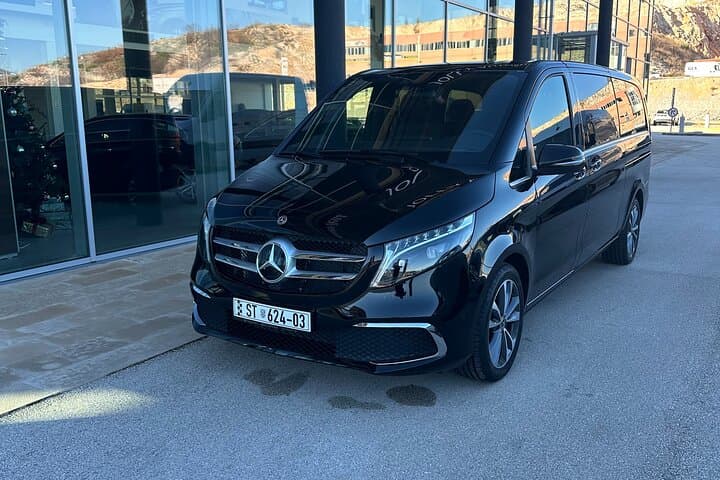
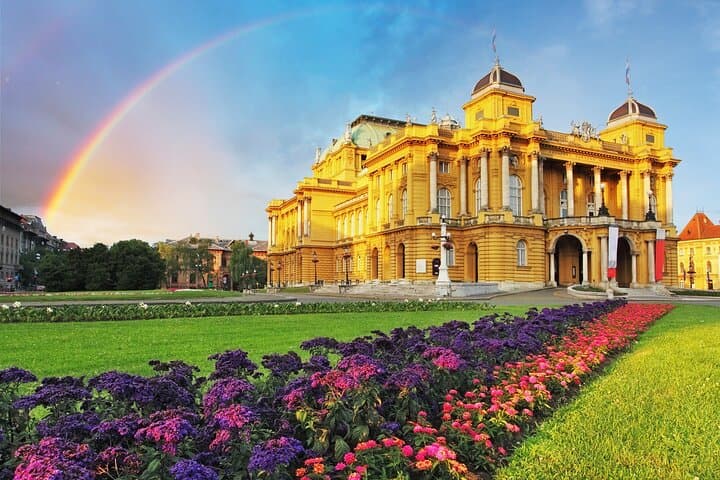
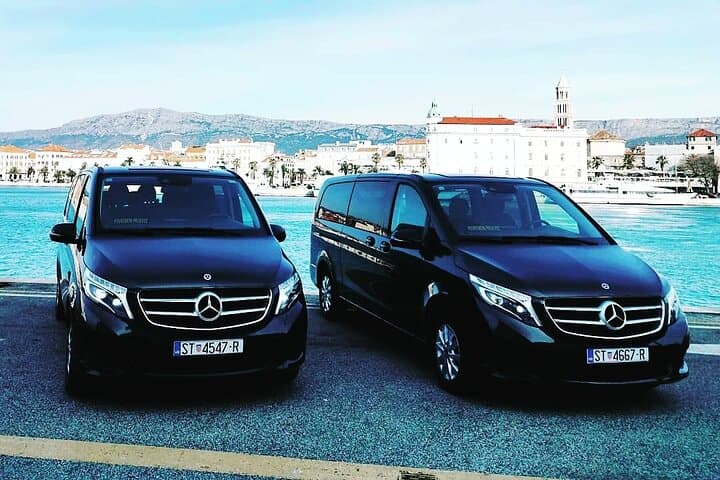

Morning light filters through the car’s windshield as the highway yields to craggy karst ridges and the scent of firs fills the air — the ride from Split to Zagreb via Plitvice Lakes feels like a deliberate unspooling of Croatia’s interior.
Morning light filters through the car’s windshield as the highway yields to craggy karst ridges and the scent of firs fills the air — the ride from Split to Zagreb via Plitvice Lakes feels like a deliberate unspooling of Croatia’s interior.
Plitvice Lakes National Park, Croatia’s oldest protected area (est. 1949) and a UNESCO World Heritage Site since 1979, presents sixteen terraced lakes connected by travertine barriers and a chain of waterfalls. The park’s geology is textbook karst: soluble limestone that has been sculpted by water into cascades, plunge pools and the wooden boardwalks visitors use to thread between upper and lower basins.
Culturally, this stretch of Lika still carries pastoral rhythms — local restaurants serve trout, lamb and cheeses that reflect mountain and river resources. A short detour to Rastoke offers a glimpse of historical mill villages where water once powered daily life.
Practically, the private transfer converts transit into a sightseeing day. Expect roughly a 2¾–3 hour drive from Split to Plitvice, about three hours inside the park for walking, a short electric boat across Kozjak Lake, and optional road-train segments for tired legs. Wear sturdy shoes for uneven boardwalks, bring layered rain protection (weather can change fast in karst country), and allow time for a relaxed lunch in Lika cuisine before continuing to Zagreb. Guides on request can orient you to the best loops for your fitness level.
This itinerary pairs efficient transport with slow, tactile time in one of Europe’s most dynamic freshwater landscapes — ideal for travelers who want a focused nature day without logistic stress.