THE ADVENTURE COLLECTIVE® · Independent discovery and booking for outdoor travel

A practical preview for travelers transferring from Split to Rovinj with a four-hour self-guided stop at Plitvice Lakes. Learn what to prioritize, how the park is formed, and simple tips to make the most of limited time among Croatia’s famed waterfalls.
A practical preview for travelers transferring from Split to Rovinj with a four-hour self-guided stop at Plitvice Lakes. Learn what to prioritize, how the park is formed, and simple tips to make the most of limited time among Croatia’s famed waterfalls.
You step off the vehicle into a hush of dripping leaves and the soft thunder of water. The air is cool and mineral-tinged; boardwalks wind like wooden ribbons above pools that shift from turquoise to deep green. For four hours the park dares you to move slowly — to follow trails that thread between cascading falls and still mirror-like basins.
Verified experiences and guided adventures in the surrounding area.
Operated by Octopus Transfers · Plitvička Jezera, Lika-Senj County
You step off the vehicle into a hush of dripping leaves and the soft thunder of water. The air is cool and mineral-tinged; boardwalks wind like wooden ribbons above pools that shift from turquoise to deep green. For four hours the park dares you to move slowly — to follow trails that thread between cascading falls and still mirror-like basins.
Plitvice Lakes National Park sits on karst limestone where centuries of calcite deposition built natural travertine dams. Designated a UNESCO World Heritage Site in 1979, the park preserves 16 interconnected lakes and a network of waterfalls carved through the Velebit foothills. The cultural backdrop alternates rural Lika traditions with traces of Austro-Hungarian influence visible in nearby villages. Small electric boats and a short panoramic train ride connect key sectors, minimizing vehicle impact inside the park.
Practical planning matters: the tour gives about four hours for self-guided exploration, so prioritize the Lower Lakes and Veliki Slap if you want dramatic views with limited time. Wear grippy, water-resistant shoes—boardwalks can be wet and stairs are frequent. Bring a lightweight rain shell; sudden showers are common in spring and autumn. Hydrate and carry cash for on-site park entrance fees if not prebooked, and allow time for the return drive to Rovinj.
Timing your visit for early morning or late afternoon reduces crowds and softens the light on the water. Stay on marked paths to protect fragile travertine formations; the park’s delicate hydrology depends on visitor discipline. Even in a short stop, Plitvice rewards measured attention: listen to falls, watch the color shifts, and leave the place as you found it.
moderate.
11 hours (total transfer).
Average fitness needed—able to walk 3–6 km over uneven, sometimes wet boardwalks within the 4-hour park window
Admission is not included by default; check booking details and be prepared to purchase park tickets or confirm they are prebooked.
Four hours allows a solid self-guided look at the Lower Lakes and Veliki Slap, but not the full park—pick a route ahead of time.
Yes—infant seats are available in the vehicle; trails are family-friendly but supervise children on boardwalks near water.
Service animals are allowed, but pets generally are restricted inside the national park—confirm current park rules before travel.
Plitvice’s karst lakes and travertine barriers formed over millennia; the park gained UNESCO status in 1979 for its geological and ecological value.
Stick to boardwalks and follow signage—the park’s travertine systems and aquatic life are sensitive to trampling and pollution.
Octopus Transfers operates guided outdoor trips and adventures with an emphasis on safety, stewardship, and memorable experiences.
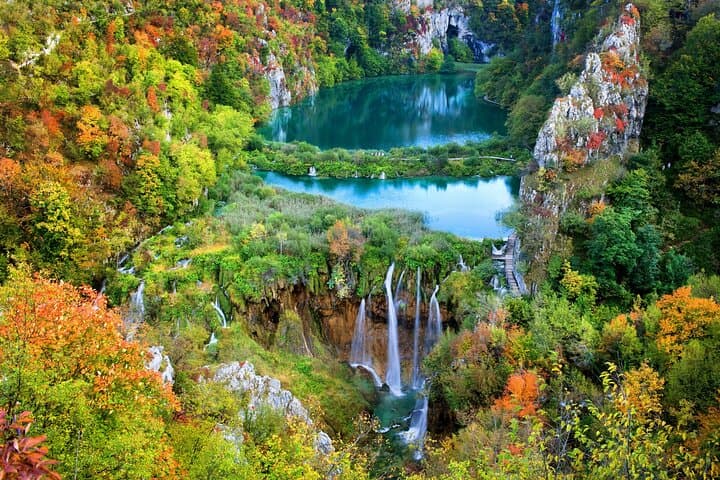
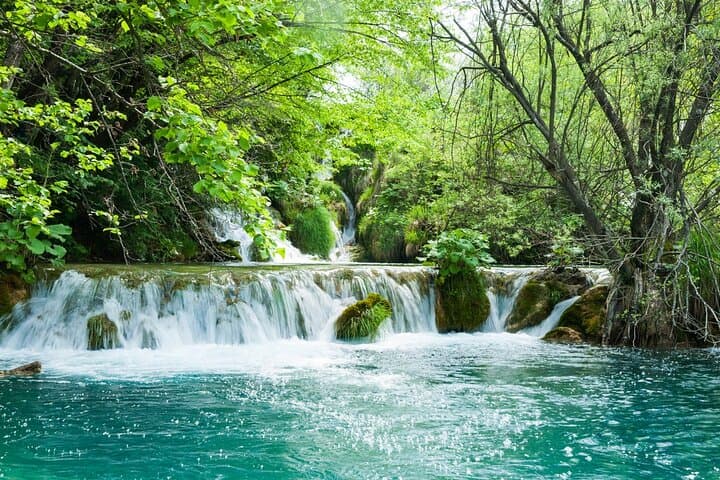
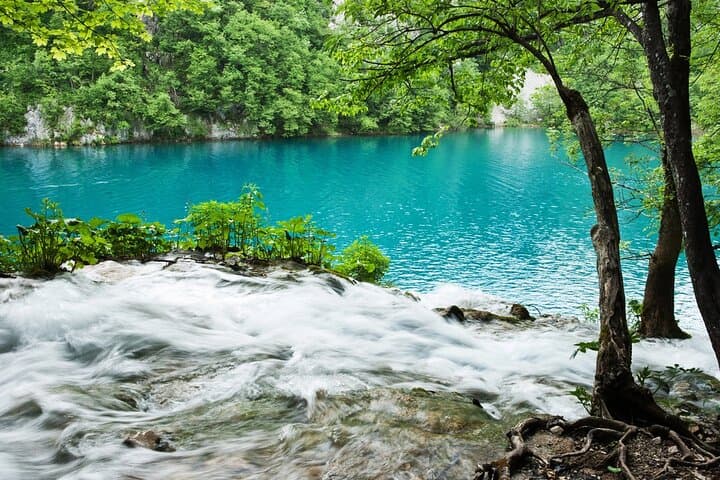
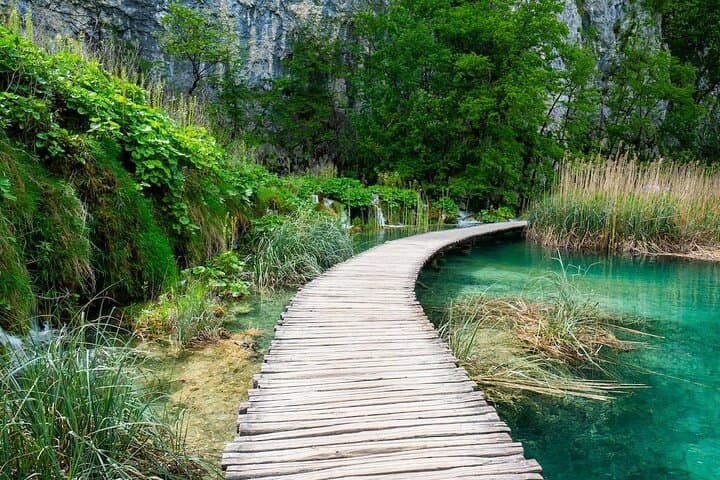
You step off the vehicle into a hush of dripping leaves and the soft thunder of water. The air is cool and mineral-tinged; boardwalks wind like wooden ribbons above pools that shift from turquoise to deep green. For four hours the park dares you to move slowly — to follow trails that thread between cascading falls and still mirror-like basins.
You step off the vehicle into a hush of dripping leaves and the soft thunder of water. The air is cool and mineral-tinged; boardwalks wind like wooden ribbons above pools that shift from turquoise to deep green. For four hours the park dares you to move slowly — to follow trails that thread between cascading falls and still mirror-like basins.
Plitvice Lakes National Park sits on karst limestone where centuries of calcite deposition built natural travertine dams. Designated a UNESCO World Heritage Site in 1979, the park preserves 16 interconnected lakes and a network of waterfalls carved through the Velebit foothills. The cultural backdrop alternates rural Lika traditions with traces of Austro-Hungarian influence visible in nearby villages. Small electric boats and a short panoramic train ride connect key sectors, minimizing vehicle impact inside the park.
Practical planning matters: the tour gives about four hours for self-guided exploration, so prioritize the Lower Lakes and Veliki Slap if you want dramatic views with limited time. Wear grippy, water-resistant shoes—boardwalks can be wet and stairs are frequent. Bring a lightweight rain shell; sudden showers are common in spring and autumn. Hydrate and carry cash for on-site park entrance fees if not prebooked, and allow time for the return drive to Rovinj.
Timing your visit for early morning or late afternoon reduces crowds and softens the light on the water. Stay on marked paths to protect fragile travertine formations; the park’s delicate hydrology depends on visitor discipline. Even in a short stop, Plitvice rewards measured attention: listen to falls, watch the color shifts, and leave the place as you found it.