THE ADVENTURE COLLECTIVE® · Independent discovery and booking for outdoor travel

Drive from Split into Bosnia and Herzegovina to stand on the 16th‑century Stari Most, sip tea by the Buna spring, and visit Kravice waterfalls. This private day tour pairs history, karst geology, and riverfront culture in a single long day.
Drive from Split into Bosnia and Herzegovina to stand on the 16th‑century Stari Most, sip tea by the Buna spring, and visit Kravice waterfalls. This private day tour pairs history, karst geology, and riverfront culture in a single long day.
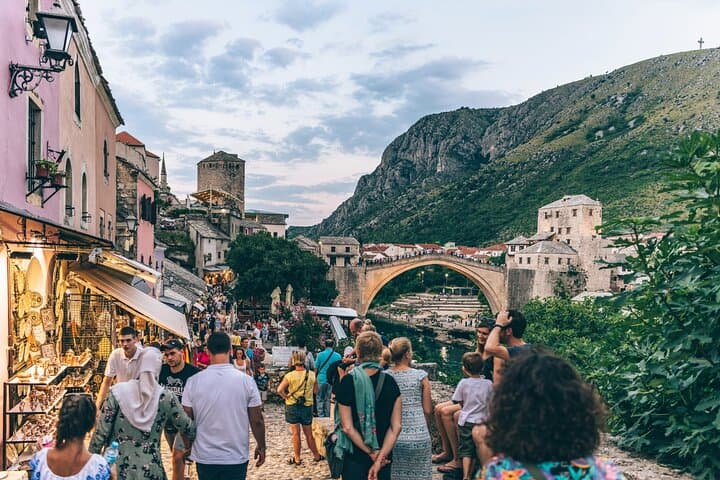
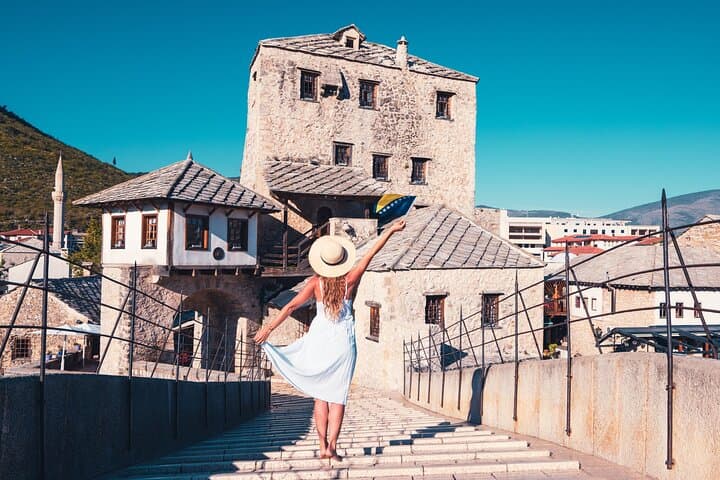
You step out of the air‑conditioned van and the Neretva river’s green current seems to dare you forward — a sharp contrast to the sun‑warmed stone underfoot. In Mostar, the 16th‑century Ottoman arch of Stari Most still draws a crowd, but the city’s rhythm is quieter in the alleys where the bazaar sellers call and the minaret shadows thin toward the river.
Verified experiences and guided adventures in the surrounding area.
Operated by CROATIA PRIVATE TOURS · Mostar, Herzegovina-Neretva
You step out of the air‑conditioned van and the Neretva river’s green current seems to dare you forward — a sharp contrast to the sun‑warmed stone underfoot. In Mostar, the 16th‑century Ottoman arch of Stari Most still draws a crowd, but the city’s rhythm is quieter in the alleys where the bazaar sellers call and the minaret shadows thin toward the river.
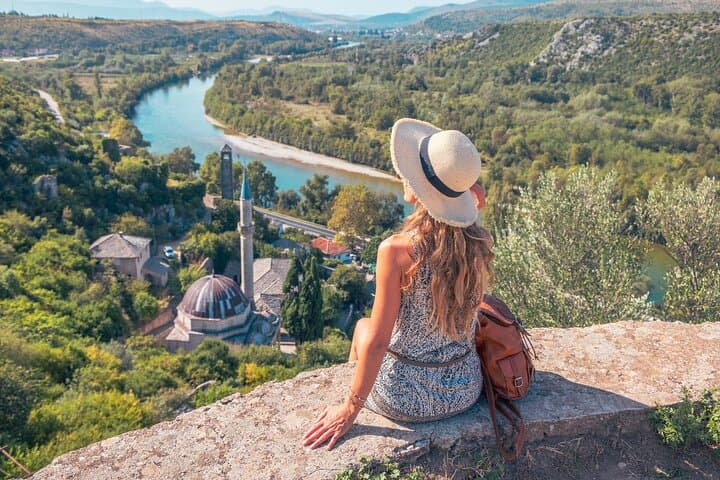
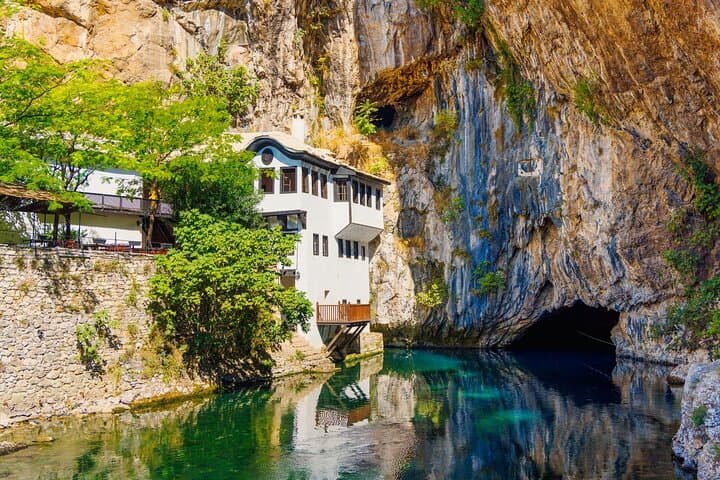
The tour threads history and geology: Ottoman-era masonry over a deep karst landscape, the Buna spring gushing from a 200‑metre cliff at Blagaj, and the plunge of Kravice waterfalls fed by limestone channels that have carved the terrain for millennia. Culture is tangible — tekija terraces by Blagaj’s spring, cafés down by the river, and the old bazaar where artisans sell metalwork and woven pies.
Practical guidance: expect an 8–10 hour day with border formalities if crossing from Croatia; bring passport and any required visas. Walking is mostly on cobbles and short stairways, so sturdy shoes matter. Kravice access may require an extra fee and seasonal operating hours; check ahead if swimming is on your list.
Timing and light are important — early morning or late afternoon soften the stone and make the bridge photos richer. Hydrate on the road; cafés are available in Mostar and Blagaj but cash is handy in small shops. This private transfer format keeps the pace flexible, letting you linger at vantage points and taste local specialties like cevapi and burek without the rush.
moderate.
8–10 hours.
Suitable for most fitness levels; expect multiple short walks on cobbles and some stairs
No — Kravice access is optional and typically requires an entrance fee paid on site; confirm with the operator if you plan to visit.
Yes — a valid passport is required. Visa requirements depend on your nationality; confirm and obtain any visas before travel.
Expect short to moderate walking on uneven cobblestones and stairs; the tour is rated suitable for most fitness levels.
Meals are not included; you’ll have opportunities to sample Bosnian specialties in Mostar and Blagaj and can pay for food locally.
Stari Most was built between 1557–1566 under Ottoman rule and rebuilt after the 1990s conflict; Blagaj’s tekija dates to the same Ottoman period and sits where a karst spring emerges from rock.
Karst springs and waterfalls are sensitive to visitor pressure; follow marked paths, avoid littering, and respect restricted swimming zones to protect water quality and local management efforts.
CROATIA PRIVATE TOURS operates guided outdoor trips and adventures with an emphasis on safety, stewardship, and memorable experiences.
You step out of the air‑conditioned van and the Neretva river’s green current seems to dare you forward — a sharp contrast to the sun‑warmed stone underfoot. In Mostar, the 16th‑century Ottoman arch of Stari Most still draws a crowd, but the city’s rhythm is quieter in the alleys where the bazaar sellers call and the minaret shadows thin toward the river.
You step out of the air‑conditioned van and the Neretva river’s green current seems to dare you forward — a sharp contrast to the sun‑warmed stone underfoot. In Mostar, the 16th‑century Ottoman arch of Stari Most still draws a crowd, but the city’s rhythm is quieter in the alleys where the bazaar sellers call and the minaret shadows thin toward the river.
The tour threads history and geology: Ottoman-era masonry over a deep karst landscape, the Buna spring gushing from a 200‑metre cliff at Blagaj, and the plunge of Kravice waterfalls fed by limestone channels that have carved the terrain for millennia. Culture is tangible — tekija terraces by Blagaj’s spring, cafés down by the river, and the old bazaar where artisans sell metalwork and woven pies.
Practical guidance: expect an 8–10 hour day with border formalities if crossing from Croatia; bring passport and any required visas. Walking is mostly on cobbles and short stairways, so sturdy shoes matter. Kravice access may require an extra fee and seasonal operating hours; check ahead if swimming is on your list.
Timing and light are important — early morning or late afternoon soften the stone and make the bridge photos richer. Hydrate on the road; cafés are available in Mostar and Blagaj but cash is handy in small shops. This private transfer format keeps the pace flexible, letting you linger at vantage points and taste local specialties like cevapi and burek without the rush.