THE ADVENTURE COLLECTIVE® · Independent discovery and booking for outdoor travel

A private door-to-door transfer from Split to Dubrovnik with a scenic stop in Ston. Walk Europe's longest defensive wall, taste oysters in Mali Ston, and relax while a local driver handles the coast road.
A private door-to-door transfer from Split to Dubrovnik with a scenic stop in Ston. Walk Europe's longest defensive wall, taste oysters in Mali Ston, and relax while a local driver handles the coast road.
You leave Split’s harbor at first light and the coastline slides past like a rubbed map — cliffs, vineyards, and the Adriatic’s hard blue edge daring you to look longer.
Verified experiences and guided adventures in the surrounding area.
Operated by CROATIA PRIVATE TOURS · Ston, Dubrovnik-Neretva County
You leave Split’s harbor at first light and the coastline slides past like a rubbed map — cliffs, vineyards, and the Adriatic’s hard blue edge daring you to look longer.
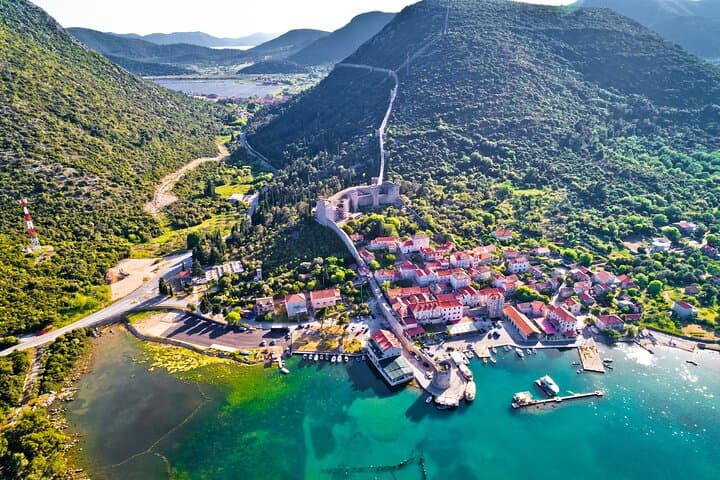
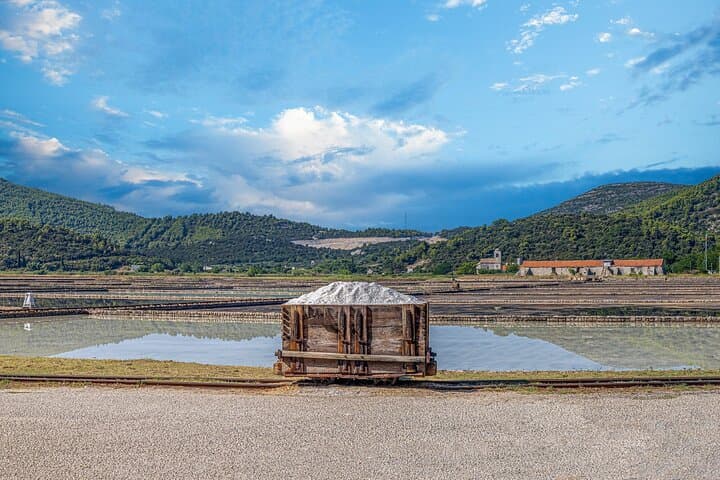
Midway the driver eases onto the Pelješac peninsula and the town of Ston appears: low stone roofs, a ladder of defensive walls climbing the ridge for 5.5 km, and salt pans framing shallow, silver pools. The walls were built by the Republic of Ragusa to guard the salt that funded the city-state; the same pans and oyster beds laid out here trace practices back to Roman times. Geologically, Pelješac is limestone karst — bare outcrops and terraces where vineyards grip thin soil and water rushes quickly to the sea.
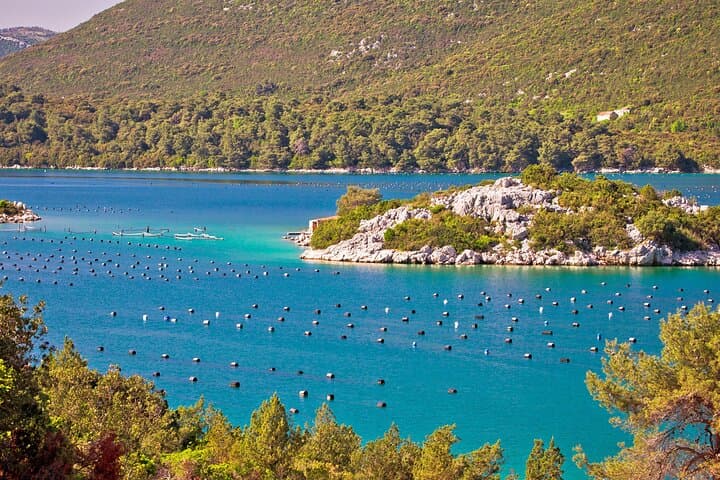
Culturally, Ston is quiet and workmanlike: oyster farms and family-run konobas (taverns) keep the rhythms of harvest and tide. Mali Ston’s promenades put you close to the racks and nets; tasting a freshly shucked oyster is as much a lesson in local economy as it is a meal.
Practical guidance: allow 3–5 hours for door-to-door service, with a 30–60 minute stop to walk the walls and another to sample seafood. Wear comfortable walking shoes for uneven stone, bring sun protection, and carry some local currency for small purchases. Luggage limits apply; confirm pickup time with the operator. The transfer covers the drive so you can focus on the views, the history, and the oysters — and arrive in Dubrovnik relaxed and ready to explore.
easy.
3–5 hours.
Suitable for all fitness levels; short walks on uneven stone are the most active parts.
Travel time varies with traffic and stops but typically takes 3–5 hours door-to-door including the Ston stops.
Admission is not included; there may be a small entrance fee to access the ramparts depending on where you stop.
Yes — the itinerary includes a Mali Ston stop where local konobas serve oysters and seafood, though food is at your own expense.
Each traveler is generally allowed one suitcase and one carry-on; oversized items may be restricted, so confirm with the operator before booking.
Ston’s defensive walls were constructed by the Republic of Ragusa to defend lucrative salt pans and oysters; the town’s maritime economy shaped its stone architecture.
The salt pans and oyster beds are sensitive ecosystems — stick to marked paths, avoid litter, and choose local producers who follow sustainable aquaculture practices.
CROATIA PRIVATE TOURS operates guided outdoor trips and adventures with an emphasis on safety, stewardship, and memorable experiences.

You leave Split’s harbor at first light and the coastline slides past like a rubbed map — cliffs, vineyards, and the Adriatic’s hard blue edge daring you to look longer.
You leave Split’s harbor at first light and the coastline slides past like a rubbed map — cliffs, vineyards, and the Adriatic’s hard blue edge daring you to look longer.
Midway the driver eases onto the Pelješac peninsula and the town of Ston appears: low stone roofs, a ladder of defensive walls climbing the ridge for 5.5 km, and salt pans framing shallow, silver pools. The walls were built by the Republic of Ragusa to guard the salt that funded the city-state; the same pans and oyster beds laid out here trace practices back to Roman times. Geologically, Pelješac is limestone karst — bare outcrops and terraces where vineyards grip thin soil and water rushes quickly to the sea.
Culturally, Ston is quiet and workmanlike: oyster farms and family-run konobas (taverns) keep the rhythms of harvest and tide. Mali Ston’s promenades put you close to the racks and nets; tasting a freshly shucked oyster is as much a lesson in local economy as it is a meal.
Practical guidance: allow 3–5 hours for door-to-door service, with a 30–60 minute stop to walk the walls and another to sample seafood. Wear comfortable walking shoes for uneven stone, bring sun protection, and carry some local currency for small purchases. Luggage limits apply; confirm pickup time with the operator. The transfer covers the drive so you can focus on the views, the history, and the oysters — and arrive in Dubrovnik relaxed and ready to explore.