THE ADVENTURE COLLECTIVE® · Independent discovery and booking for outdoor travel

Skip crowded buses and keep your schedule flexible with a private door-to-door transfer from Split to Dubrovnik. Enjoy AC comfort, optional sightseeing stops, and local driving expertise on this 3–6 hour coastal route.
Skip crowded buses and keep your schedule flexible with a private door-to-door transfer from Split to Dubrovnik. Enjoy AC comfort, optional sightseeing stops, and local driving expertise on this 3–6 hour coastal route.
You slide into an air-conditioned seat as the car eases onto the Adriatic highway, stone cliffs to your left and a ribbon of blue to your right. The driver navigates smooth motorway stretches and coastal switchbacks, pausing at viewpoints so you can step out, feel the pine-scented wind, and photograph perched villages and islands dotting the sea.
Verified experiences and guided adventures in the surrounding area.
Operated by Adriatic Shuttle Transfers & Tours · Split, Split-Dalmatia County
You slide into an air-conditioned seat as the car eases onto the Adriatic highway, stone cliffs to your left and a ribbon of blue to your right. The driver navigates smooth motorway stretches and coastal switchbacks, pausing at viewpoints so you can step out, feel the pine-scented wind, and photograph perched villages and islands dotting the sea.
This corridor of Dalmatia carries centuries of history: Roman roads repurposed into modern highways, Venetian trade links that shaped coastal towns, and the fortified legacy of the Republic of Ragusa visible in Dubrovnik’s walls. Geologically the route traces karst limestone—jagged inland plateaus that drop to pebble coves—while Pelješac and Pelješač Peninsula vineyards signal the region’s long viticultural culture. Taste-driven stops like Mali Ston specialize in oysters, and small family wineries offer the kind of hands-on hospitality that defines the coast.
Practically, expect a 3–6 hour transfer depending on traffic and chosen detours. The service is door-to-door within Split and Dubrovnik areas; bathroom and photo stops are standard, and organized extras (Mostar, Kravice, Klis, Ston) can be added for a fee. Bring passports if you plan cross-border detours into Bosnia & Herzegovina, keep a daypack with layered clothing for changing coastal winds, and allow extra time during summer high season. Drivers provide local knowledge—ask about quiet viewpoints or a recommended konoba for lunch—and confirm any off-route stops in advance to avoid unexpected fees.
easy.
3–6 hours.
Minimal fitness required—this is seated transfer with occasional short walks at stops
Yes—optional sightseeing stops like Klis or Ston can be arranged for an additional fee; request them when booking to lock in timing.
Typical nonstop driving time is about 3 to 4.5 hours depending on traffic and route; add up to 6 hours with organized detours or lunch stops.
Yes—vehicles include air conditioning and onboard Wi‑Fi, per the service inclusions, for comfortable travel.
The price is per vehicle; most vans handle 1–2 large suitcases for up to eight passengers. Infant seats are available—request them at booking.
The coastal route connects settlements shaped by Roman and Venetian trade, with Dubrovnik’s medieval walls reflecting centuries of maritime autonomy.
Traffic and tourism pressure strain coastal habitats; choose local businesses, avoid single‑use plastics, and stay on designated roads and viewpoints to reduce impact.
Adriatic Shuttle Transfers & Tours operates guided outdoor trips and adventures with an emphasis on safety, stewardship, and memorable experiences.
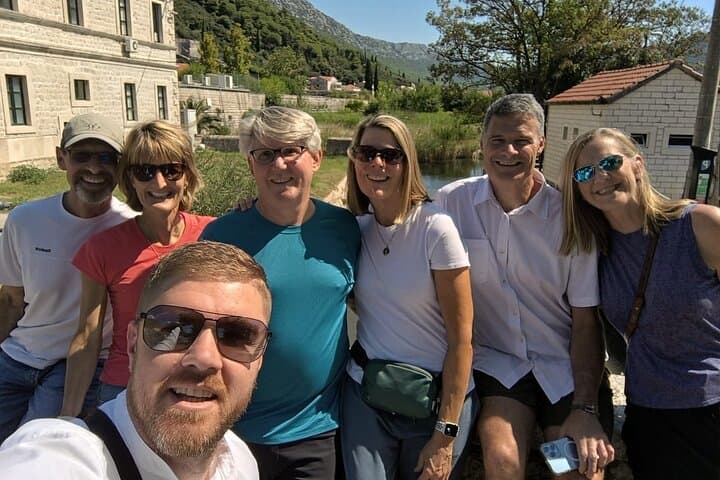
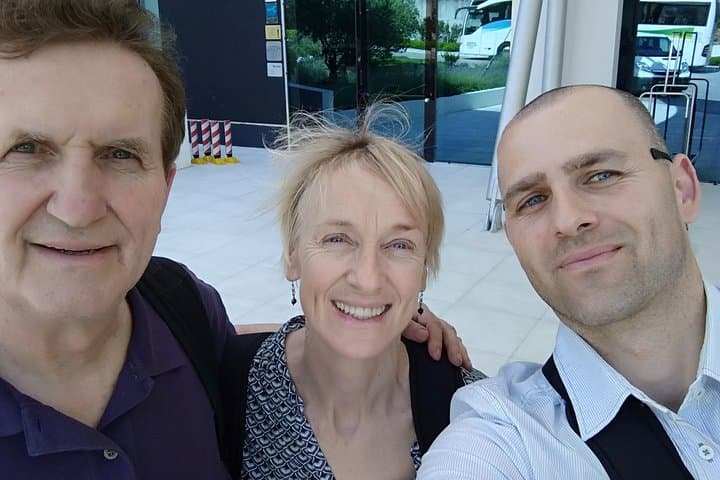
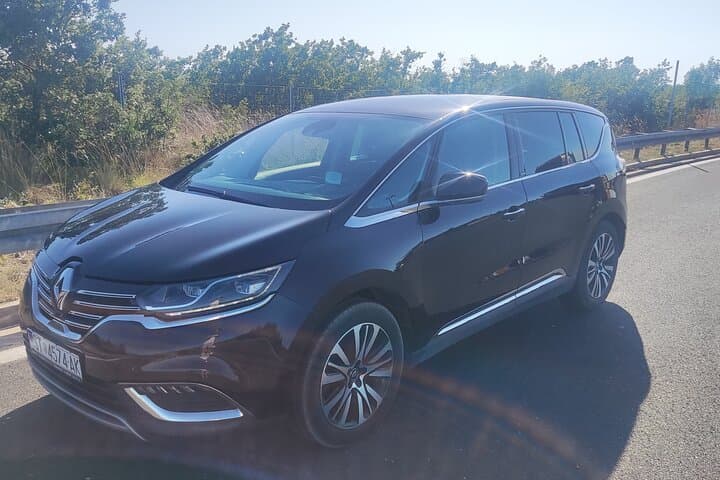

You slide into an air-conditioned seat as the car eases onto the Adriatic highway, stone cliffs to your left and a ribbon of blue to your right. The driver navigates smooth motorway stretches and coastal switchbacks, pausing at viewpoints so you can step out, feel the pine-scented wind, and photograph perched villages and islands dotting the sea.
You slide into an air-conditioned seat as the car eases onto the Adriatic highway, stone cliffs to your left and a ribbon of blue to your right. The driver navigates smooth motorway stretches and coastal switchbacks, pausing at viewpoints so you can step out, feel the pine-scented wind, and photograph perched villages and islands dotting the sea.
This corridor of Dalmatia carries centuries of history: Roman roads repurposed into modern highways, Venetian trade links that shaped coastal towns, and the fortified legacy of the Republic of Ragusa visible in Dubrovnik’s walls. Geologically the route traces karst limestone—jagged inland plateaus that drop to pebble coves—while Pelješac and Pelješač Peninsula vineyards signal the region’s long viticultural culture. Taste-driven stops like Mali Ston specialize in oysters, and small family wineries offer the kind of hands-on hospitality that defines the coast.
Practically, expect a 3–6 hour transfer depending on traffic and chosen detours. The service is door-to-door within Split and Dubrovnik areas; bathroom and photo stops are standard, and organized extras (Mostar, Kravice, Klis, Ston) can be added for a fee. Bring passports if you plan cross-border detours into Bosnia & Herzegovina, keep a daypack with layered clothing for changing coastal winds, and allow extra time during summer high season. Drivers provide local knowledge—ask about quiet viewpoints or a recommended konoba for lunch—and confirm any off-route stops in advance to avoid unexpected fees.