THE ADVENTURE COLLECTIVE® · Independent discovery and booking for outdoor travel

Travel from Split to Dubrovnik in private comfort, stopping for Ston’s medieval walls and a five-course sea-to-table lunch in a century-old olive grove. This transfer combines efficient door-to-door transport with a culinary and cultural stop that brings Dalmatian coastal traditions to the table.
Travel from Split to Dubrovnik in private comfort, stopping for Ston’s medieval walls and a five-course sea-to-table lunch in a century-old olive grove. This transfer combines efficient door-to-door transport with a culinary and cultural stop that brings Dalmatian coastal traditions to the table.
You leave Split before the highway widens and the Adriatic pulls into view — stone walls, narrow coves and a coastline that seems to insist you slow down. Inside a private Mercedes, the road becomes part of the experience: vineyards slide past, small fishing ports blink into sight and the Pelješac peninsula rises like a low, weathered ridge between two seas.
Verified experiences and guided adventures in the surrounding area.
Operated by Atlas Adriatic · Ston, Dubrovnik-Neretva County
You leave Split before the highway widens and the Adriatic pulls into view — stone walls, narrow coves and a coastline that seems to insist you slow down. Inside a private Mercedes, the road becomes part of the experience: vineyards slide past, small fishing ports blink into sight and the Pelješac peninsula rises like a low, weathered ridge between two seas.
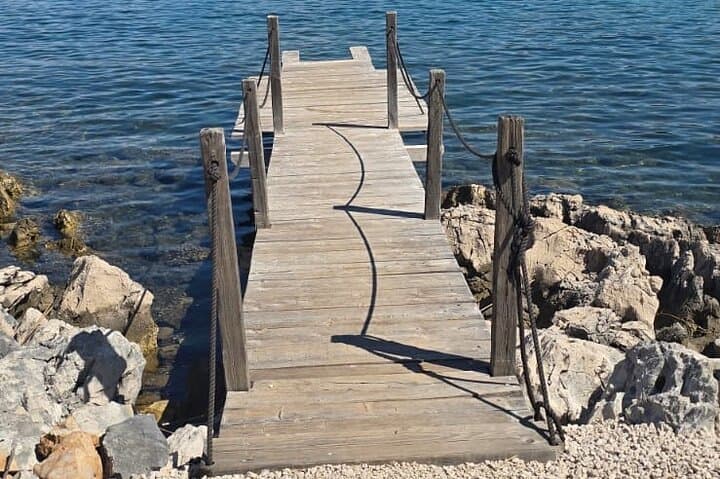
History gathers here. Ston’s medieval walls, built in the 14th century by the Republic of Ragusa, defend salt pans that have fed the region for centuries; nearby oyster farms keep culinary traditions alive. Geologically, the coastline is karst — limestone sculpted by wind and water into steep coves and terraces where olives and vines find a foothold.
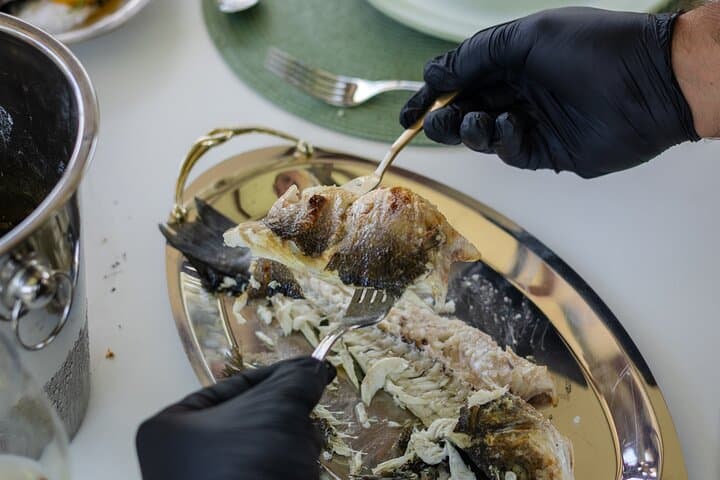
Culture on this transfer is edible: a five-course, sea-to-table lunch in a century-old olive grove pairs local Plavac or Pošip with shellfish, whole-grilled sea bream and house-made liqueurs. The meal is a living lesson in local production — olive oil, honey and fish sourced within footsteps of your table.
Practicalities are straightforward. Expect 4–5 hours door-to-door, private pickup in Split and drop in Dubrovnik or Cavtat. Bring comfortable shoes for short walks, sun protection for outdoor terraces and a light layer for coastal breezes. If you want to participate in fish preparation or a tasting, tell your guide when booking. Photographers should plan for midday glare on the water; golden-hour shots are best near Ston’s walls or along narrow port alleys. For a relaxed, culinary-driven passage across Dalmatia, this transfer blends efficient travel with a concentrated taste of regional history and flavor.
easy.
4–5 hours.
Suitable for most fitness levels; involves short, flat walks at stops for sightseeing and lunch.
Pickup is in Split (specified address at booking) and drop-off can be in Dubrovnik, Cavtat or another agreed location; confirm points and times when you reserve.
Yes—special requests like vegetarian or allergies should be submitted at booking so the kitchen can prepare alternatives.
Expect roughly 60–75 minutes for the 5-course lunch and around 25–30 minutes for a brief Ston sightseeing stop, fitting into a 4–5 hour overall transfer.
This is a private luxury Mercedes transfer; service animals and infant seats are available—notify the operator if mobility assistance or specific accessibility needs are required.
Ston’s fortifications and salt pans were developed by the Republic of Ragusa in the 14th century to protect strategic trade and salt production.
Oyster farming and salt pans are locally managed; support responsible operators and avoid single-use plastics to minimize impact on coastal habitats.
Atlas Adriatic operates guided outdoor trips and adventures with an emphasis on safety, stewardship, and memorable experiences.


You leave Split before the highway widens and the Adriatic pulls into view — stone walls, narrow coves and a coastline that seems to insist you slow down. Inside a private Mercedes, the road becomes part of the experience: vineyards slide past, small fishing ports blink into sight and the Pelješac peninsula rises like a low, weathered ridge between two seas.
You leave Split before the highway widens and the Adriatic pulls into view — stone walls, narrow coves and a coastline that seems to insist you slow down. Inside a private Mercedes, the road becomes part of the experience: vineyards slide past, small fishing ports blink into sight and the Pelješac peninsula rises like a low, weathered ridge between two seas.
History gathers here. Ston’s medieval walls, built in the 14th century by the Republic of Ragusa, defend salt pans that have fed the region for centuries; nearby oyster farms keep culinary traditions alive. Geologically, the coastline is karst — limestone sculpted by wind and water into steep coves and terraces where olives and vines find a foothold.
Culture on this transfer is edible: a five-course, sea-to-table lunch in a century-old olive grove pairs local Plavac or Pošip with shellfish, whole-grilled sea bream and house-made liqueurs. The meal is a living lesson in local production — olive oil, honey and fish sourced within footsteps of your table.
Practicalities are straightforward. Expect 4–5 hours door-to-door, private pickup in Split and drop in Dubrovnik or Cavtat. Bring comfortable shoes for short walks, sun protection for outdoor terraces and a light layer for coastal breezes. If you want to participate in fish preparation or a tasting, tell your guide when booking. Photographers should plan for midday glare on the water; golden-hour shots are best near Ston’s walls or along narrow port alleys. For a relaxed, culinary-driven passage across Dalmatia, this transfer blends efficient travel with a concentrated taste of regional history and flavor.