THE ADVENTURE COLLECTIVE® · Independent discovery and booking for outdoor travel

A short, scenic catamaran across the Adriatic connects Split with Brač’s Supetar and seasonally with Milna in under 25 minutes. Modern boats, e‑tickets, and a relaxed onboard service make this a quick, comfortable gateway to island beaches, trails, and coastal villages.
A short, scenic catamaran across the Adriatic connects Split with Brač’s Supetar and seasonally with Milna in under 25 minutes. Modern boats, e‑tickets, and a relaxed onboard service make this a quick, comfortable gateway to island beaches, trails, and coastal villages.
You step onto the Riva in Split with gulls circling and the Adriatic already pulling the sunlight into long, bright lines. The catamaran hums as crew prepare for boarding; in twenty minutes the city’s stone facades shrink and the sea dares you toward Brač’s shoreline. Choose Supetar for a quick plunge into town life or Milna for a quieter marina and old stone houses.
Verified experiences and guided adventures in the surrounding area.
Operated by Ferryhopper · Split, Split‑Dalmatia County
You step onto the Riva in Split with gulls circling and the Adriatic already pulling the sunlight into long, bright lines. The catamaran hums as crew prepare for boarding; in twenty minutes the city’s stone facades shrink and the sea dares you toward Brač’s shoreline. Choose Supetar for a quick plunge into town life or Milna for a quieter marina and old stone houses.
Brač’s story is written in its rock and sea. The island’s white limestone built parts of Roman Split and later local churches; vineyards and olive groves cling to terraces carved into slopes. Milna retains a 19th‑century maritime feel—old captains’ houses and sheltered coves—while Supetar is a livelier ferry hub with cafés and pebble beaches. Geologically, Brač is made of uplifted karst limestone; trails climb to Vidova Gora, the highest peak on any Adriatic island, where wind shapes scrub and views sweep to Hvar and Vis.
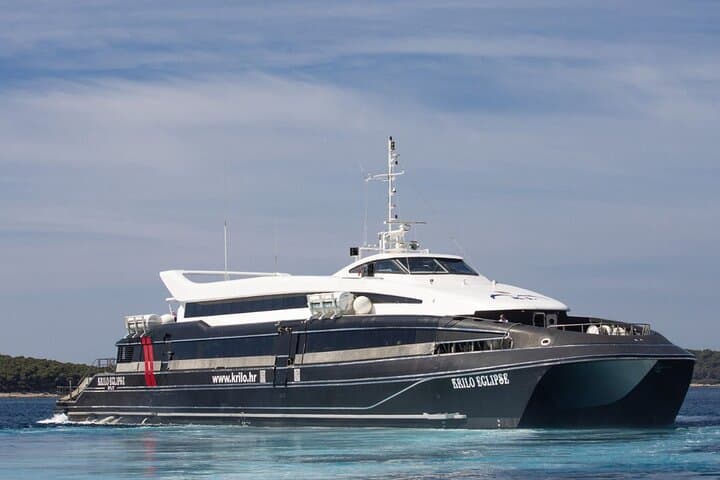
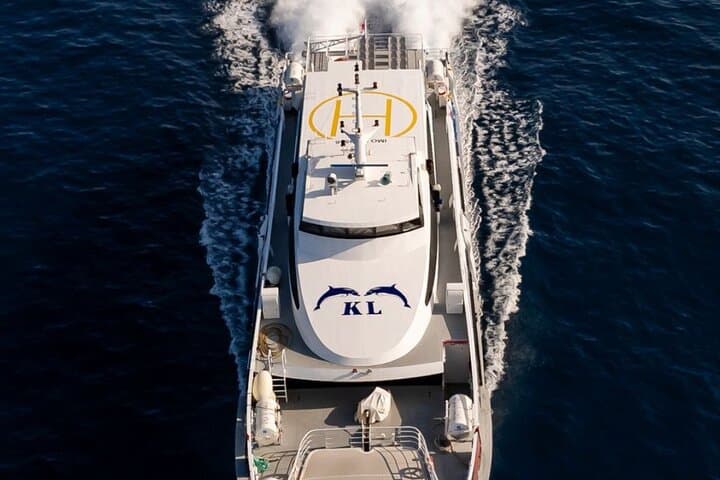
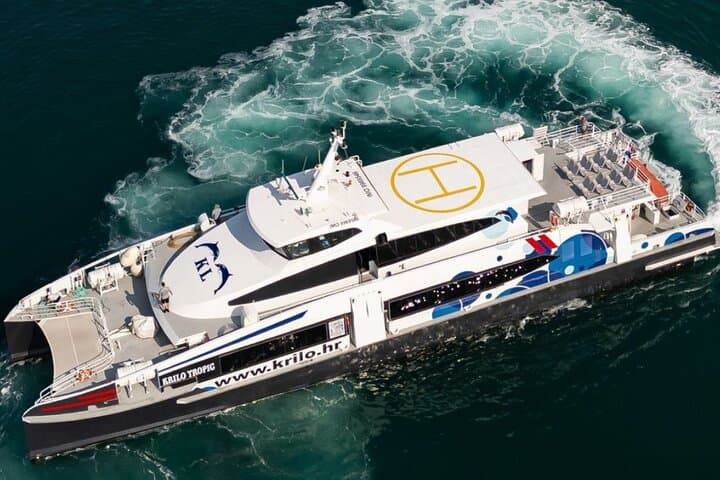
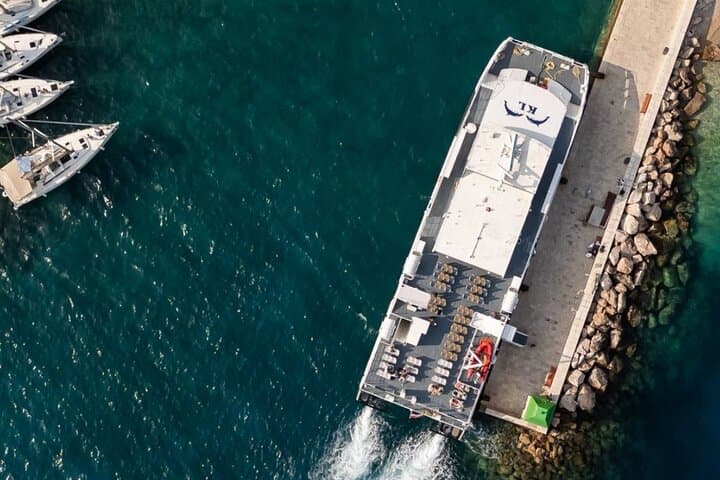
Practically, the Kapetan Luka – Krilo catamarans are modern, air‑conditioned, with free seating and a snack bar. E‑tickets speed boarding; allow 30 minutes at the port to find the correct pier. Pack a light wind layer for exposed decks, and keep an eye on Posidonia meadows—anchoring restrictions protect these seagrass habitats.
For day‑trippers, time your return to avoid late‑afternoon crowds. Want quiet? Land at Milna outside peak summer to wander waterfront streets. Whether you sit inside with a coffee or lean on the rail with salt on your lips, the short crossing is a focused slice of Dalmatia—efficient, scenic, and immediately transportive.
easy.
20–25 minutes.
No special fitness required—suitable for most travelers, including families and older adults.
The Split–Supetar route takes about 20 minutes year‑round; Split–Milna runs seasonally (April–October) and takes roughly 25 minutes.
Yes—each passenger may bring one piece of luggage up to 23 kg included with the ticket; additional items may be subject to crew direction.
No—e‑tickets on your mobile are accepted, but keep them accessible and check your confirmation for the exact pier and time.
Catamarans generally offer step‑free access to boarding areas and allow strollers; contact the operator ahead if you need special assistance.
Brač is known for its white limestone quarried for regional architecture; maritime trade shaped Milna’s 19th‑century harbor settlements.
Posidonia seagrass meadows are protected—avoid anchoring in marked areas, pack out trash, and follow local signage to protect marine habitats.
Ferryhopper operates guided outdoor trips and adventures with an emphasis on safety, stewardship, and memorable experiences.
You step onto the Riva in Split with gulls circling and the Adriatic already pulling the sunlight into long, bright lines. The catamaran hums as crew prepare for boarding; in twenty minutes the city’s stone facades shrink and the sea dares you toward Brač’s shoreline. Choose Supetar for a quick plunge into town life or Milna for a quieter marina and old stone houses.
You step onto the Riva in Split with gulls circling and the Adriatic already pulling the sunlight into long, bright lines. The catamaran hums as crew prepare for boarding; in twenty minutes the city’s stone facades shrink and the sea dares you toward Brač’s shoreline. Choose Supetar for a quick plunge into town life or Milna for a quieter marina and old stone houses.
Brač’s story is written in its rock and sea. The island’s white limestone built parts of Roman Split and later local churches; vineyards and olive groves cling to terraces carved into slopes. Milna retains a 19th‑century maritime feel—old captains’ houses and sheltered coves—while Supetar is a livelier ferry hub with cafés and pebble beaches. Geologically, Brač is made of uplifted karst limestone; trails climb to Vidova Gora, the highest peak on any Adriatic island, where wind shapes scrub and views sweep to Hvar and Vis.
Practically, the Kapetan Luka – Krilo catamarans are modern, air‑conditioned, with free seating and a snack bar. E‑tickets speed boarding; allow 30 minutes at the port to find the correct pier. Pack a light wind layer for exposed decks, and keep an eye on Posidonia meadows—anchoring restrictions protect these seagrass habitats.
For day‑trippers, time your return to avoid late‑afternoon crowds. Want quiet? Land at Milna outside peak summer to wander waterfront streets. Whether you sit inside with a coffee or lean on the rail with salt on your lips, the short crossing is a focused slice of Dalmatia—efficient, scenic, and immediately transportive.