THE ADVENTURE COLLECTIVE® · Independent discovery and booking for outdoor travel

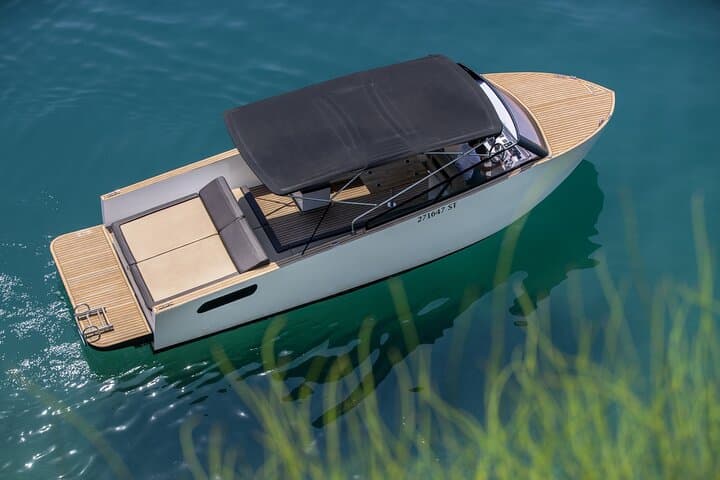
Spend a day from Split chasing clear-water coves, a morphing golden beach and Hvar’s sunlit squares aboard a covered speedboat. This small-group day trip balances swim stops, local flavor and easy onboard comforts.
Spend a day from Split chasing clear-water coves, a morphing golden beach and Hvar’s sunlit squares aboard a covered speedboat. This small-group day trip balances swim stops, local flavor and easy onboard comforts.
A salt-snap of wind, the hum of an outboard and the Adriatic opening like a series of blue doors — the day begins at Split’s Riva and pushes west toward Zlatni Rat’s shifting spit, then threads the Pakleni Islands’ pine-scented coves before the hush of Šolta.
Verified experiences and guided adventures in the surrounding area.
Operated by ISLAND HOPPING SPLIT · Split, Split-Dalmatia County
A salt-snap of wind, the hum of an outboard and the Adriatic opening like a series of blue doors — the day begins at Split’s Riva and pushes west toward Zlatni Rat’s shifting spit, then threads the Pakleni Islands’ pine-scented coves before the hush of Šolta.
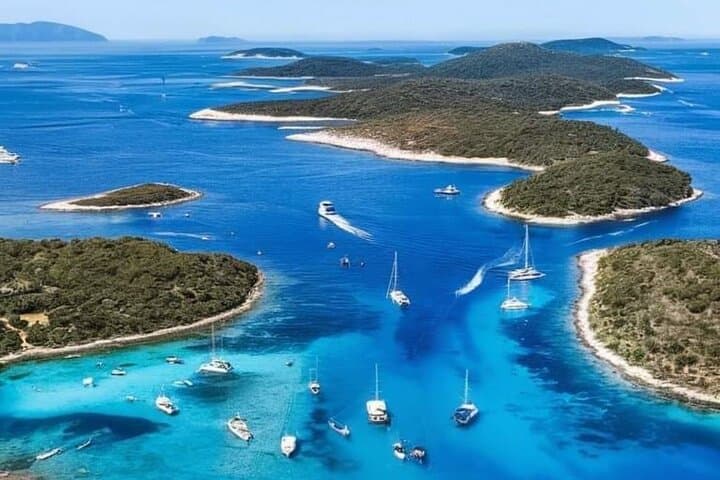
The Dalmatian coast wears its history visibly: Hvar’s Renaissance squares and Venetian fortifications, Bol’s fishing roots and Zlatni Rat’s geomorphology — a gravelly cape shaped by prevailing currents and seasonal winds. The Pakleni archipelago is mostly low limestone and Aleppo pines, a string of sheltered bays that have long been used by sailors seeking calm water and clear snorkeling.
Culturally the route stitches working villages with tourist centers; expect cafés in Hvar, small family olive groves on Šolta and local boatmen who steer with generations of memory. Geologically, the shoreline is karst; underwater, seagrass meadows (Posidonia) support rich marine life.
Practically: this is a full-day, small-group speedboat tour with multiple swim stops, a lunch break in Hvar, onboard restrooms and provided snorkel gear. Bring reef-safe sunscreen, a light wind layer for open-water stretches, water shoes for rocky landings and a small dry bag for valuables. Timing matters — mornings are glassy for pictures; late afternoon brings calmer marinas and softer light. If you care for the sea’s long-term health, avoid trampling seagrass and follow crew instructions on anchoring and swimming zones. With a moderate fitness baseline and curiosity for coastal history, this route delivers crystalline dips and a compact survey of central Dalmatia’s best islands.
moderate.
9–10 hours.
Expect several short swims and some walking on uneven coastal terrain; moderate fitness recommended
Yes — basic snorkel masks and fins are provided onboard; bring your own if you prefer a custom fit.
Yes — swims are in calm bays but currents can vary; follow the crew’s safety brief and wear a lifevest if unsure.
The full tour is about 9.5 hours with multiple stops; each boat crossing between islands ranges from 20 to 60 minutes depending on route and conditions.
Bottled water and snorkeling gear are included; lunch in Hvar is typically at travelers’ expense unless otherwise specified.
Hvar and surrounding islands have Venetian and Illyrian layers; Zlatni Rat’s unique shape is created by longshore drift and wind patterns.
The Pakleni Islands and surrounding waters host Posidonia meadows; avoid anchoring on seagrass, dispose of waste properly and follow local guidance to limit impact.
ISLAND HOPPING SPLIT operates guided outdoor trips and adventures with an emphasis on safety, stewardship, and memorable experiences.
A salt-snap of wind, the hum of an outboard and the Adriatic opening like a series of blue doors — the day begins at Split’s Riva and pushes west toward Zlatni Rat’s shifting spit, then threads the Pakleni Islands’ pine-scented coves before the hush of Šolta.
A salt-snap of wind, the hum of an outboard and the Adriatic opening like a series of blue doors — the day begins at Split’s Riva and pushes west toward Zlatni Rat’s shifting spit, then threads the Pakleni Islands’ pine-scented coves before the hush of Šolta.
The Dalmatian coast wears its history visibly: Hvar’s Renaissance squares and Venetian fortifications, Bol’s fishing roots and Zlatni Rat’s geomorphology — a gravelly cape shaped by prevailing currents and seasonal winds. The Pakleni archipelago is mostly low limestone and Aleppo pines, a string of sheltered bays that have long been used by sailors seeking calm water and clear snorkeling.
Culturally the route stitches working villages with tourist centers; expect cafés in Hvar, small family olive groves on Šolta and local boatmen who steer with generations of memory. Geologically, the shoreline is karst; underwater, seagrass meadows (Posidonia) support rich marine life.
Practically: this is a full-day, small-group speedboat tour with multiple swim stops, a lunch break in Hvar, onboard restrooms and provided snorkel gear. Bring reef-safe sunscreen, a light wind layer for open-water stretches, water shoes for rocky landings and a small dry bag for valuables. Timing matters — mornings are glassy for pictures; late afternoon brings calmer marinas and softer light. If you care for the sea’s long-term health, avoid trampling seagrass and follow crew instructions on anchoring and swimming zones. With a moderate fitness baseline and curiosity for coastal history, this route delivers crystalline dips and a compact survey of central Dalmatia’s best islands.