THE ADVENTURE COLLECTIVE® · Independent discovery and booking for outdoor travel

Explore Roman grandeur, clifftop defenses and a UNESCO island town in one private day tour from Split. Expect cobbles, coastal panoramas and short climbs—perfect for travelers who want history and views without a long trek.
Explore Roman grandeur, clifftop defenses and a UNESCO island town in one private day tour from Split. Expect cobbles, coastal panoramas and short climbs—perfect for travelers who want history and views without a long trek.
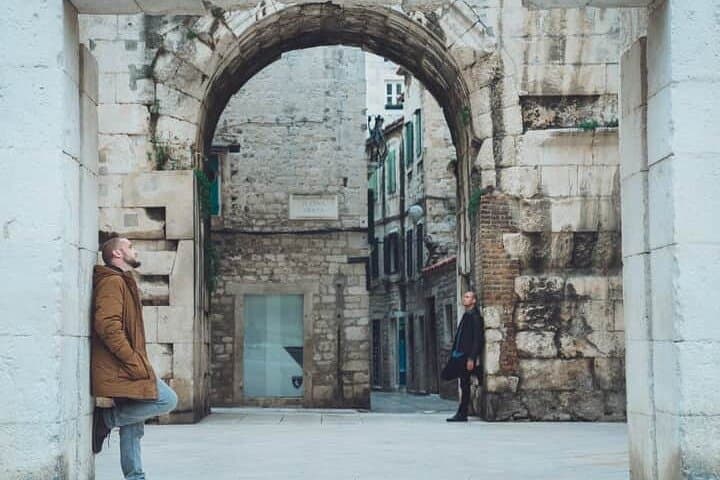
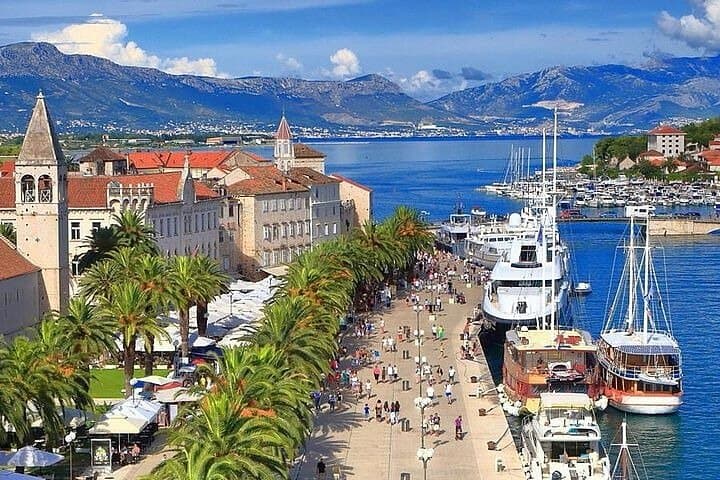
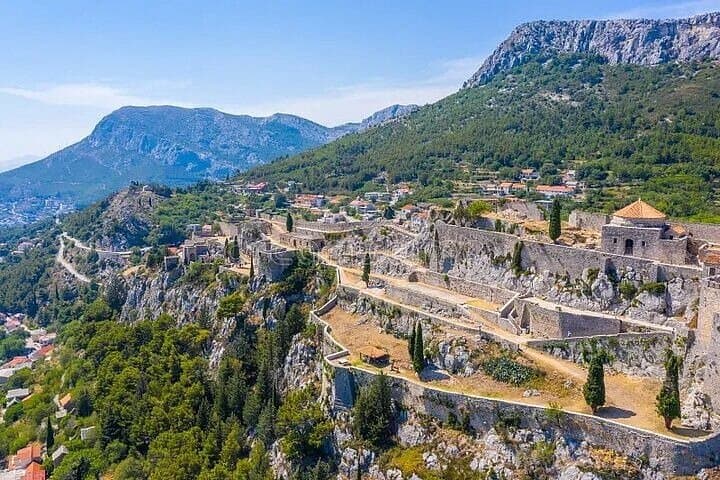
Morning light slides across Split’s waterfront as the minivan threads narrow streets and the Adriatic breathes against the quay. The tour moves at a measured pace: first the honey‑colored alleys and Roman stonework of Diocletian’s Palace, then upward to Klis Fortress where wind and limestone throw long shadows over islands and olive groves, finishing in the compact medieval lanes of Trogir with its carved cathedral portal.
Verified experiences and guided adventures in the surrounding area.
Operated by Grand Tour Travel · Split, Split-Dalmatia County
Morning light slides across Split’s waterfront as the minivan threads narrow streets and the Adriatic breathes against the quay. The tour moves at a measured pace: first the honey‑colored alleys and Roman stonework of Diocletian’s Palace, then upward to Klis Fortress where wind and limestone throw long shadows over islands and olive groves, finishing in the compact medieval lanes of Trogir with its carved cathedral portal.
This circuit stitches together Roman imperial ambition, medieval maritime power and Dalmatian defensive geology. Diocletian’s Palace began as an emperor’s retirement complex and today forms the living core of Split; Klis sits on a karst ridge that long controlled approaches to the coast; Trogir preserves Romanesque‑Gothic architecture and an old port culture still reflected in its fish markets and narrow promenades.
Travelers should expect cobbles, stairways and uneven terrain—cultural sites demand walking and short climbs rather than long hikes. Bring modest clothing for cathedral interiors and a camera for sweeping views across the sea that will not wait for perfect light.
Practicalities: tours run about 5–6 hours with organized transport between sites, small groups or private guide, and opportunities to pause for coffee and a seaside lunch. Ticketing for site entries may be separate; confirm whether entrance fees are included. Wear supportive shoes, carry water, and plan morning or late‑afternoon departures to avoid the midday sun. The route offers a compact, landscape‑rich introduction to Dalmatia’s layers of history and its exposed, wind‑shaped coastline.
easy.
5–6 hours.
Moderate fitness needed for walking on cobbles and short climbs; able to stand and walk for several hours.
Not always—site admission for places like Diocletian’s Palace interior may be separate; confirm with the operator before booking.
Most tours depart from central Split (near the Riva) with flexible pickup options—hotel or port pickup can often be arranged.
Infants and small children can be accommodated; some areas have stairs and narrow alleys, but stroller access is possible in flatter sections—infant seats are available in vehicles.
Yes—this is a private tour and operators frequently adjust stops, pacing and timings to suit interests and mobility levels.
The Diocletian Palace dates to the late Roman Empire and forms much of Split’s old town; Klis Fortress guarded Dalmatia from Ottoman advances and commands strategic sea views.
High visitor numbers can stress fragile stone sites and coastal habitats—stick to marked paths, avoid climbing on ruins and support local businesses that practice sustainable tourism.
Grand Tour Travel operates guided outdoor trips and adventures with an emphasis on safety, stewardship, and memorable experiences.

Morning light slides across Split’s waterfront as the minivan threads narrow streets and the Adriatic breathes against the quay. The tour moves at a measured pace: first the honey‑colored alleys and Roman stonework of Diocletian’s Palace, then upward to Klis Fortress where wind and limestone throw long shadows over islands and olive groves, finishing in the compact medieval lanes of Trogir with its carved cathedral portal.
Morning light slides across Split’s waterfront as the minivan threads narrow streets and the Adriatic breathes against the quay. The tour moves at a measured pace: first the honey‑colored alleys and Roman stonework of Diocletian’s Palace, then upward to Klis Fortress where wind and limestone throw long shadows over islands and olive groves, finishing in the compact medieval lanes of Trogir with its carved cathedral portal.
This circuit stitches together Roman imperial ambition, medieval maritime power and Dalmatian defensive geology. Diocletian’s Palace began as an emperor’s retirement complex and today forms the living core of Split; Klis sits on a karst ridge that long controlled approaches to the coast; Trogir preserves Romanesque‑Gothic architecture and an old port culture still reflected in its fish markets and narrow promenades.
Travelers should expect cobbles, stairways and uneven terrain—cultural sites demand walking and short climbs rather than long hikes. Bring modest clothing for cathedral interiors and a camera for sweeping views across the sea that will not wait for perfect light.
Practicalities: tours run about 5–6 hours with organized transport between sites, small groups or private guide, and opportunities to pause for coffee and a seaside lunch. Ticketing for site entries may be separate; confirm whether entrance fees are included. Wear supportive shoes, carry water, and plan morning or late‑afternoon departures to avoid the midday sun. The route offers a compact, landscape‑rich introduction to Dalmatia’s layers of history and its exposed, wind‑shaped coastline.