THE ADVENTURE COLLECTIVE® · Independent discovery and booking for outdoor travel

A full-day private drive from Dubrovnik to Split that pairs fortress walks in Ston and Klis with an immersive visit to Diocletian’s Palace. Expect coastal roads, salt pans, and cobbled Roman cellars with roomy time for lunch.
A full-day private drive from Dubrovnik to Split that pairs fortress walks in Ston and Klis with an immersive visit to Diocletian’s Palace. Expect coastal roads, salt pans, and cobbled Roman cellars with roomy time for lunch.
You step into the day before dawn in Dubrovnik; the driver eases the van onto the coastal road, and the Adriatic slowly pushes silver light into the windshield. In an hour the medieval ramparts of Ston appear—low, salt-baked stone that still holds the memory of trade and siege. A thirty-minute walk along the Ston walls gives a compact taste of coastal defense and sea-salted wind.
Verified experiences and guided adventures in the surrounding area.
Operated by Taxi Dubrovnik airport · Split, Split-Dalmatia County
You step into the day before dawn in Dubrovnik; the driver eases the van onto the coastal road, and the Adriatic slowly pushes silver light into the windshield. In an hour the medieval ramparts of Ston appear—low, salt-baked stone that still holds the memory of trade and siege. A thirty-minute walk along the Ston walls gives a compact taste of coastal defense and sea-salted wind.
Beyond Ston, salt pans flatten the landscape into a grid of shallow pools: simple chemistry and centuries-old craft where locals still harvest crystalline salt. The road climbs next to limestone folds toward Klis Fortress, carved into bluff and commanding views over Split’s plain. Klis’s layered stone tells of Ottoman and Venetian pressure—its terraces and bastions read like chapters.
Split itself is a living roman ruin. Diocletian’s Palace is more city than relic: vaulted substructures, the Peristyle’s open court, and a cathedral that began life as an imperial mausoleum. Expect cobbled streets, narrow cardo lanes, and Mediterranean light that makes cafes spill onto the Riva.
Practical guidance: the tour runs 10–12 hours with roughly 3–4 hours of guided walking combined in segments; bring sturdy shoes for cobbles and walls, sun protection for exposed sites, and a light layer for wind on Klis. There’s time for lunch in Split (about 2–3 hours on most itineraries). Mobility is generally easy but involves stairs and uneven surfaces in historic sites. Bottled water and onboard restrooms are provided, and the operator offers flexible pickup and a private-vehicle pace—ideal for travelers who want a full coastal day without rushing.
moderate.
10–12 hours.
Suitable for travellers who can walk 2–4 miles over cobbles and climb stairs repeatedly; basic stamina required for a long day.
Pick-up and drop-off are arranged in Dubrovnik—most itineraries collect you from your hotel or a central meeting point specified at booking.
Admission to attractions like Klis Fortress and Diocletian’s Palace is typically not included; the guide will advise on current ticket prices and where to buy them.
Yes—this private tour is rated easy to moderate, but expect stairs and uneven surfaces; infant seats are available on request.
Plan for about 1.5–3 hours of walking in Split across cobbled streets, palace substructures and squares; there is scheduled downtime for lunch.
Ston’s walls protected valuable saltworks that shaped regional trade; Diocletian’s Palace (4th century) became the core of modern Split as people repurposed imperial rooms into homes.
Salt pans and coastal habitats are sensitive—stick to paths and avoid disturbing salt-crust pools; choose local guides who support site preservation.
Taxi Dubrovnik airport operates guided outdoor trips and adventures with an emphasis on safety, stewardship, and memorable experiences.
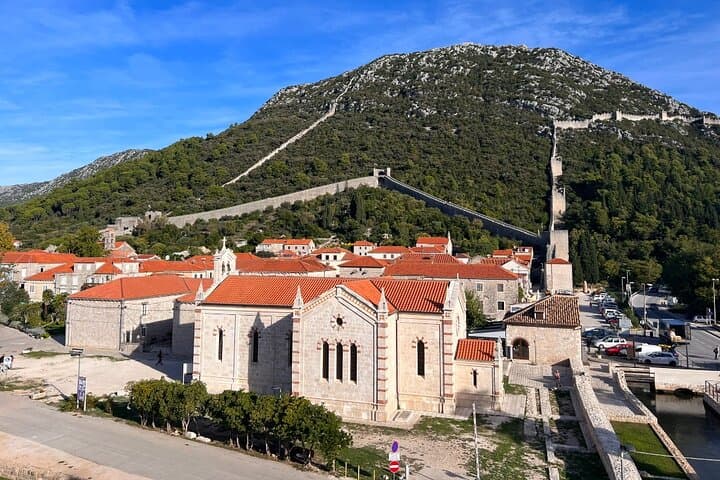

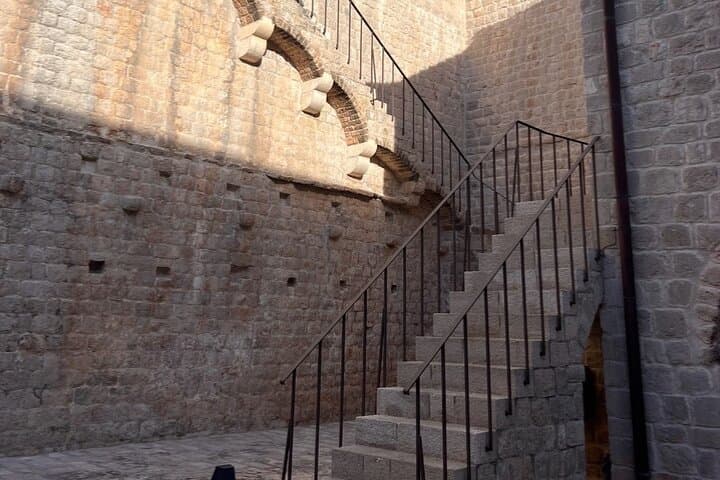
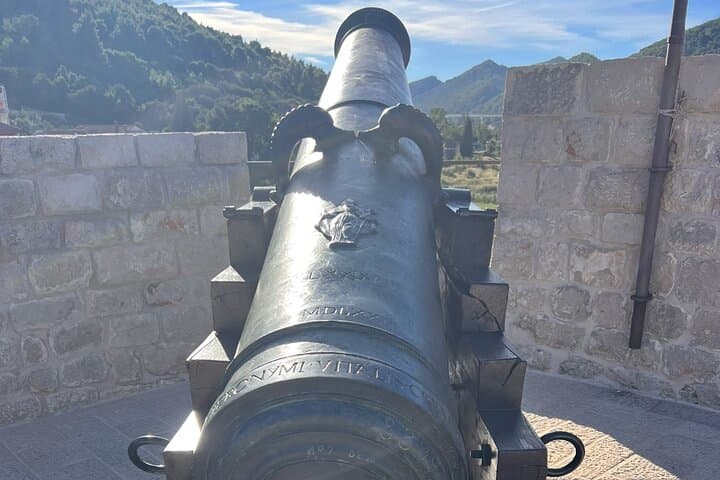
You step into the day before dawn in Dubrovnik; the driver eases the van onto the coastal road, and the Adriatic slowly pushes silver light into the windshield. In an hour the medieval ramparts of Ston appear—low, salt-baked stone that still holds the memory of trade and siege. A thirty-minute walk along the Ston walls gives a compact taste of coastal defense and sea-salted wind.
You step into the day before dawn in Dubrovnik; the driver eases the van onto the coastal road, and the Adriatic slowly pushes silver light into the windshield. In an hour the medieval ramparts of Ston appear—low, salt-baked stone that still holds the memory of trade and siege. A thirty-minute walk along the Ston walls gives a compact taste of coastal defense and sea-salted wind.
Beyond Ston, salt pans flatten the landscape into a grid of shallow pools: simple chemistry and centuries-old craft where locals still harvest crystalline salt. The road climbs next to limestone folds toward Klis Fortress, carved into bluff and commanding views over Split’s plain. Klis’s layered stone tells of Ottoman and Venetian pressure—its terraces and bastions read like chapters.
Split itself is a living roman ruin. Diocletian’s Palace is more city than relic: vaulted substructures, the Peristyle’s open court, and a cathedral that began life as an imperial mausoleum. Expect cobbled streets, narrow cardo lanes, and Mediterranean light that makes cafes spill onto the Riva.
Practical guidance: the tour runs 10–12 hours with roughly 3–4 hours of guided walking combined in segments; bring sturdy shoes for cobbles and walls, sun protection for exposed sites, and a light layer for wind on Klis. There’s time for lunch in Split (about 2–3 hours on most itineraries). Mobility is generally easy but involves stairs and uneven surfaces in historic sites. Bottled water and onboard restrooms are provided, and the operator offers flexible pickup and a private-vehicle pace—ideal for travelers who want a full coastal day without rushing.