THE ADVENTURE COLLECTIVE® · Independent discovery and booking for outdoor travel

Walk Split’s green market, taste fresh-caught Adriatic fish and learn to cook a three-course Dalmatian lunch in a five‑star kitchen. This four‑hour tour pairs local history and hands‑on technique for an approachable culinary deep dive.
Walk Split’s green market, taste fresh-caught Adriatic fish and learn to cook a three-course Dalmatian lunch in a five‑star kitchen. This four‑hour tour pairs local history and hands‑on technique for an approachable culinary deep dive.
You step off the Riva and into the cadence of Split: market vendors calling, citrus and olive oil scents folding into sea air. The green market spills over with seasonal produce, smoked prosciutto and cheeses stacked like small monuments, and the fish market close by confronts you with the Adriatic's daily catch—bright, briny, and immediate.
Verified experiences and guided adventures in the surrounding area.
Operated by Perfecta Travel · Split, Split-Dalmatia County
You step off the Riva and into the cadence of Split: market vendors calling, citrus and olive oil scents folding into sea air. The green market spills over with seasonal produce, smoked prosciutto and cheeses stacked like small monuments, and the fish market close by confronts you with the Adriatic's daily catch—bright, briny, and immediate.
Split’s streets trace Roman bones: Diocletian’s Palace frames much of the old town, and the markets continue a centuries-old trade rhythm. Geologically, the coastline reflects karst limestone that cleaves into harbors and pebble beaches; culturally, Dalmatian cuisine grew from simple, local ingredients—olive oil, anchovies, citrus, sheep cheese and slow-smoked ham.
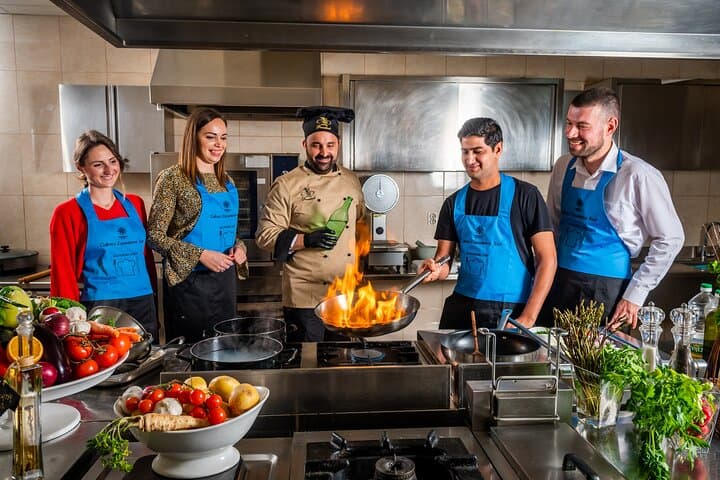
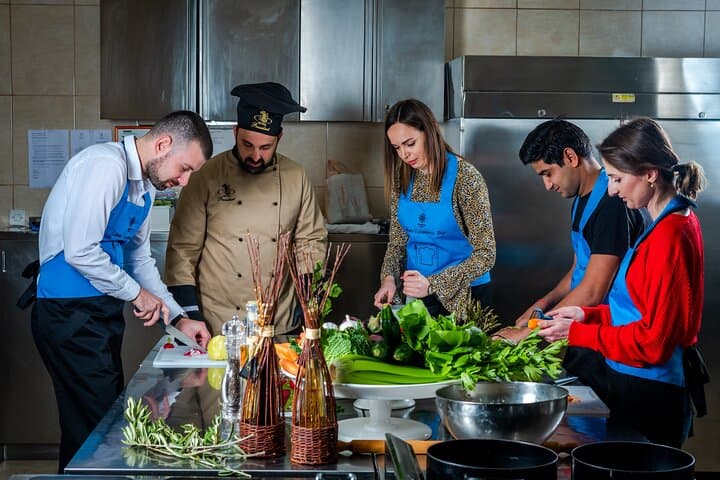
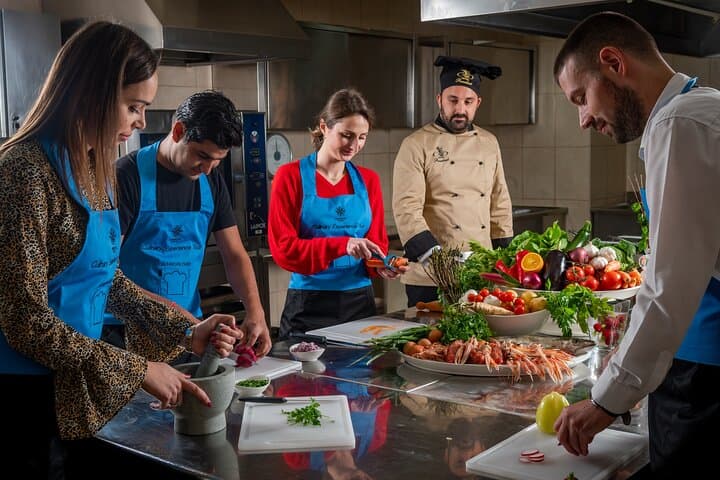
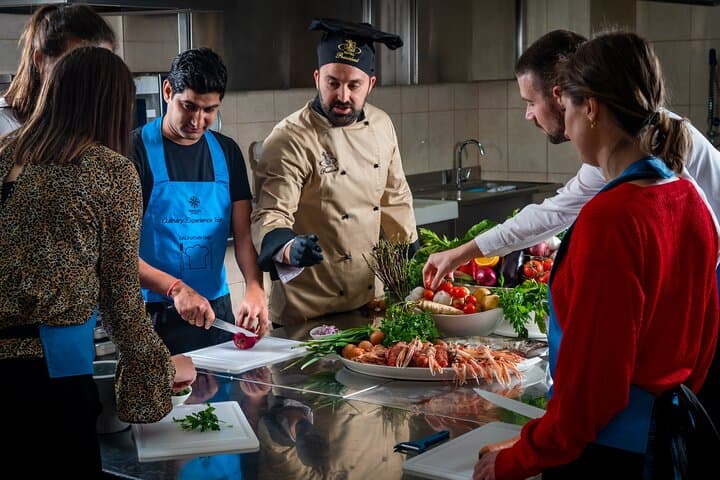
After guided tastings at stalls and a stop at a longstanding bakery for coffee and sweets, the class moves to a five‑star kitchen where a local chef demonstrates techniques for a three‑course Dalmatian lunch. Expect hands-on work: rolling pasta, seasoning fish, and learning how to coax flavor from minimalist ingredients. The experience balances walking and standing in a professional kitchen—good mobility and basic stair comfort are required.
Practical edge: arrive with comfy walking shoes, a light daypack, and a water bottle; the market portion is outdoors and can be hot in summer. The chef provides aprons and most tools, but bring curiosity and any dietary notes in advance. This four‑hour loop is as much about the people and place as the food—eat where the city eats, and you’ll leave with recipes and a clearer taste for Dalmatia.
easy.
4 hours.
Light walking around markets and standing during a cooking class; suitable for most travelers in reasonable health.
Yes—the green market and fish market are outdoors; operators may cancel or adjust plans in heavy rain, but the cooking portion is indoors.
Yes—vendors supply seasonal produce and daily fish, and the class emphasizes regional ingredients common to Dalmatian cuisine.
Children can participate if they can stand for short periods and follow kitchen safety rules; infants must sit on an adult’s lap during portions where seating is provided.
Yes—most classes provide recipes or a brief menu handout so you can recreate dishes at home.
Split grew around Diocletian’s Palace in the 4th century; markets have operated in the same streets for centuries, blending Roman, Venetian and Mediterranean culinary traditions.
Support vendors by buying local produce and minimizing single‑use plastics; many market sellers follow small-scale, traditional fishing and farming practices that sustain local ecosystems.
Perfecta Travel operates guided outdoor trips and adventures with an emphasis on safety, stewardship, and memorable experiences.
You step off the Riva and into the cadence of Split: market vendors calling, citrus and olive oil scents folding into sea air. The green market spills over with seasonal produce, smoked prosciutto and cheeses stacked like small monuments, and the fish market close by confronts you with the Adriatic's daily catch—bright, briny, and immediate.
You step off the Riva and into the cadence of Split: market vendors calling, citrus and olive oil scents folding into sea air. The green market spills over with seasonal produce, smoked prosciutto and cheeses stacked like small monuments, and the fish market close by confronts you with the Adriatic's daily catch—bright, briny, and immediate.
Split’s streets trace Roman bones: Diocletian’s Palace frames much of the old town, and the markets continue a centuries-old trade rhythm. Geologically, the coastline reflects karst limestone that cleaves into harbors and pebble beaches; culturally, Dalmatian cuisine grew from simple, local ingredients—olive oil, anchovies, citrus, sheep cheese and slow-smoked ham.
After guided tastings at stalls and a stop at a longstanding bakery for coffee and sweets, the class moves to a five‑star kitchen where a local chef demonstrates techniques for a three‑course Dalmatian lunch. Expect hands-on work: rolling pasta, seasoning fish, and learning how to coax flavor from minimalist ingredients. The experience balances walking and standing in a professional kitchen—good mobility and basic stair comfort are required.
Practical edge: arrive with comfy walking shoes, a light daypack, and a water bottle; the market portion is outdoors and can be hot in summer. The chef provides aprons and most tools, but bring curiosity and any dietary notes in advance. This four‑hour loop is as much about the people and place as the food—eat where the city eats, and you’ll leave with recipes and a clearer taste for Dalmatia.