THE ADVENTURE COLLECTIVE® · Independent discovery and booking for outdoor travel

Drive inland from Walvis Bay across coastal flats to the dramatic Spitzkoppe and the Swakop River Valley. This full-day 4x4 tour mixes easy rock scrambling, ancient San rock art, and desert wildlife with a picnic lunch.
Drive inland from Walvis Bay across coastal flats to the dramatic Spitzkoppe and the Swakop River Valley. This full-day 4x4 tour mixes easy rock scrambling, ancient San rock art, and desert wildlife with a picnic lunch.
You leave Walvis Bay before the sun climbs, tires crunching along gravel as the Atlantic light thins into ochre plains. The Swakop River Valley opens as a dry channel that still claims life — tamarisk and ana tree clumps, the occasional oryx casting a slow silhouette — and the air smells of dust warmed by sun.
Verified experiences and guided adventures in the surrounding area.
Operated by Red Dune Safaris Namibia · Spitzkoppe, Erongo
You leave Walvis Bay before the sun climbs, tires crunching along gravel as the Atlantic light thins into ochre plains. The Swakop River Valley opens as a dry channel that still claims life — tamarisk and ana tree clumps, the occasional oryx casting a slow silhouette — and the air smells of dust warmed by sun.
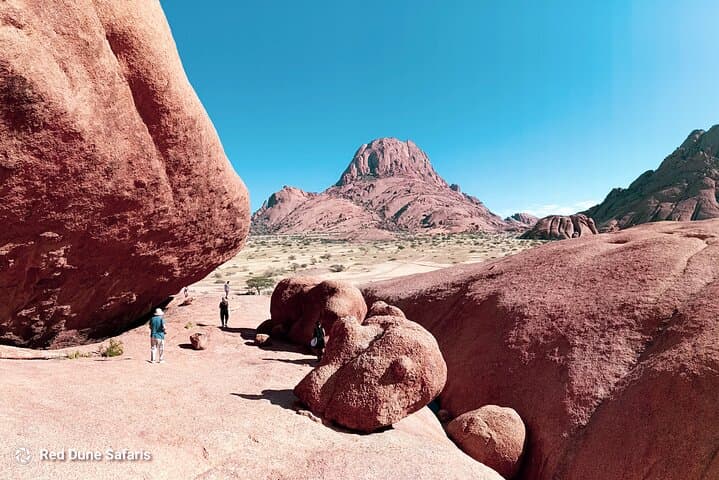
Geology here is blunt and obvious: the Spitzkoppe is a granite monolith, a cathedral of boulders weathered into arches and pillared ridges. The Swakop’s sediments and alluvial fans tell of episodic floods that shaped local gullies. Cultural traces appear in ochre — Bushmen rock paintings dated around 2,000 years give human scale to the stones and links to San hunting traditions.
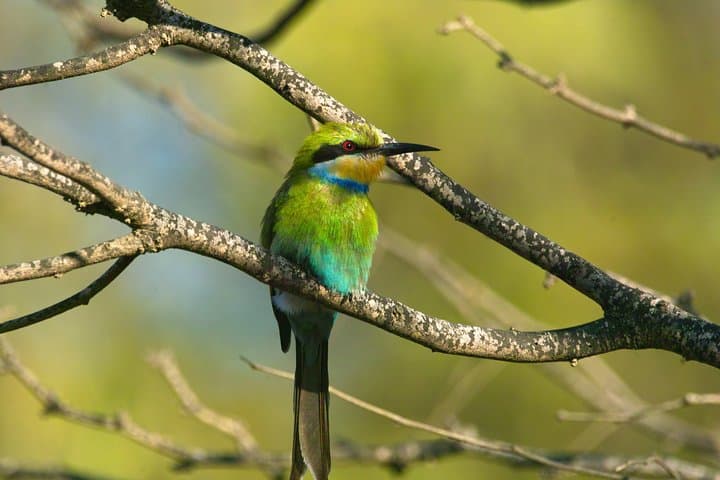
Expect a day of short walks between viewpoints and easy scrambling on rock surfaces rather than technical climbs. Wildlife is desert-tough: oryx, springbok, and birds that time their movements to shade and water. A picnic lunch under a flat rock or in a wind-sheltered hollow is standard; the tour includes lunch and drinks.
Practical notes: the route uses 4x4 tracks with some washboard sections — stable shoes and steady drivers matter. Hydrate early, layer sun protection, and allow time for photography at the rock art panels where low light preserves pigment. Respect fragile desert cryptobiotic soils and rock art: stay on durable surfaces and don’t touch paintings. With an 8-hour rhythm of driving and short hikes, this trip balances wide-open scenery with hands-on history and geology — an efficient way to see Namibia’s inland coast and its big granite neighbor in a single day.
moderate.
8 hours.
Moderate level of fitness for repeated short hikes and some scrambling on uneven rock
The tour runs about 8 hours and typically includes transportation by 4x4, a picnic lunch with drinks, and stops at Swakop River Valley and Spitzkoppe.
Yes — guides will show panels with Bushmen paintings; access is on foot and visitors should not touch the pigments to preserve them.
No — the vehicle and driver handle technical sections; guests should be comfortable with unpaved roads and occasional washboard surfaces.
Facilities are limited; expect basic options at popular stops, otherwise plan for field conditions and follow Leave No Trace waste practices.
The area preserves San (Bushmen) rock art panels estimated at around 2,000 years old and sits on ancient granite intrusions formed during the Precambrian.
This desert environment is fragile; stay on durable surfaces, avoid disturbing cryptobiotic soil, and never touch rock art to help preserve it.
Red Dune Safaris Namibia operates guided outdoor trips and adventures with an emphasis on safety, stewardship, and memorable experiences.


You leave Walvis Bay before the sun climbs, tires crunching along gravel as the Atlantic light thins into ochre plains. The Swakop River Valley opens as a dry channel that still claims life — tamarisk and ana tree clumps, the occasional oryx casting a slow silhouette — and the air smells of dust warmed by sun.
You leave Walvis Bay before the sun climbs, tires crunching along gravel as the Atlantic light thins into ochre plains. The Swakop River Valley opens as a dry channel that still claims life — tamarisk and ana tree clumps, the occasional oryx casting a slow silhouette — and the air smells of dust warmed by sun.
Geology here is blunt and obvious: the Spitzkoppe is a granite monolith, a cathedral of boulders weathered into arches and pillared ridges. The Swakop’s sediments and alluvial fans tell of episodic floods that shaped local gullies. Cultural traces appear in ochre — Bushmen rock paintings dated around 2,000 years give human scale to the stones and links to San hunting traditions.
Expect a day of short walks between viewpoints and easy scrambling on rock surfaces rather than technical climbs. Wildlife is desert-tough: oryx, springbok, and birds that time their movements to shade and water. A picnic lunch under a flat rock or in a wind-sheltered hollow is standard; the tour includes lunch and drinks.
Practical notes: the route uses 4x4 tracks with some washboard sections — stable shoes and steady drivers matter. Hydrate early, layer sun protection, and allow time for photography at the rock art panels where low light preserves pigment. Respect fragile desert cryptobiotic soils and rock art: stay on durable surfaces and don’t touch paintings. With an 8-hour rhythm of driving and short hikes, this trip balances wide-open scenery with hands-on history and geology — an efficient way to see Namibia’s inland coast and its big granite neighbor in a single day.