THE ADVENTURE COLLECTIVE® · Independent discovery and booking for outdoor travel

A multi-day road trip through Spiti takes travelers across high passes, ancient monasteries and cold desert plains. Expect dusty mountain roads, thin air and vivid high-altitude scenery — plan for acclimatization and cold nights.
A multi-day road trip through Spiti takes travelers across high passes, ancient monasteries and cold desert plains. Expect dusty mountain roads, thin air and vivid high-altitude scenery — plan for acclimatization and cold nights.
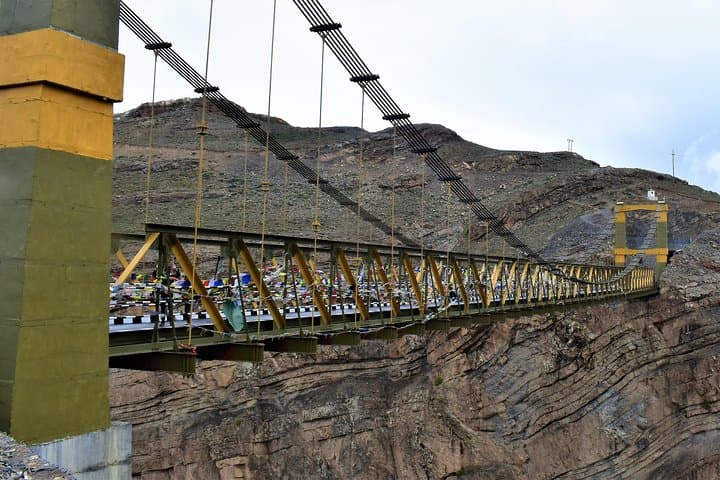
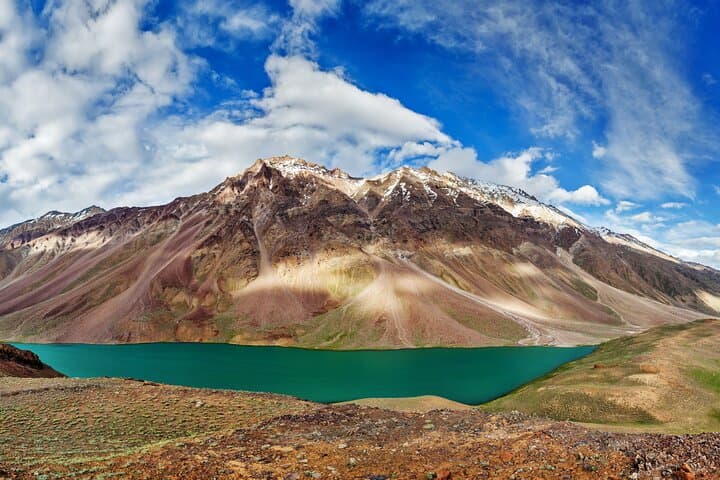
On the high road into Spiti, the air thins and ridgelines sharpen. A convoy of vehicles and cyclists threads past stony fields, rivers braiding toward the Sutlej, and gompas clinging to sun-baked cliffs. Morning light exposes the salt‑flat colors of the cold desert; wind scours the passes and the valley answers with a flat, steady silence.
Verified experiences and guided adventures in the surrounding area.
Operated by Trans Himalaya Travels · Kaza, Himachal Pradesh
On the high road into Spiti, the air thins and ridgelines sharpen. A convoy of vehicles and cyclists threads past stony fields, rivers braiding toward the Sutlej, and gompas clinging to sun-baked cliffs. Morning light exposes the salt‑flat colors of the cold desert; wind scours the passes and the valley answers with a flat, steady silence.
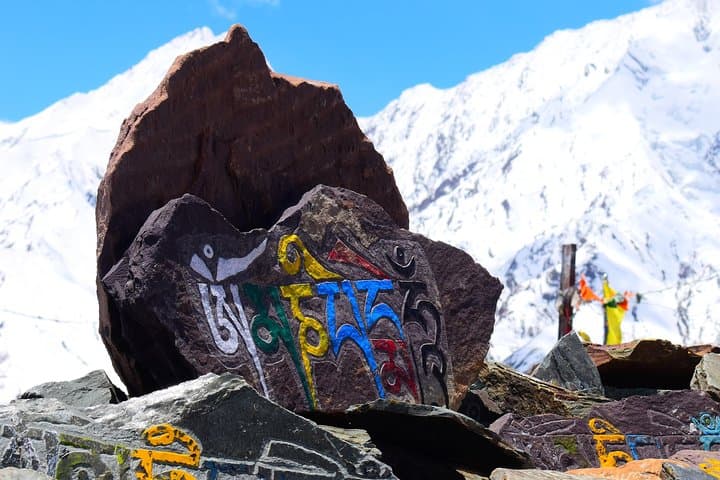
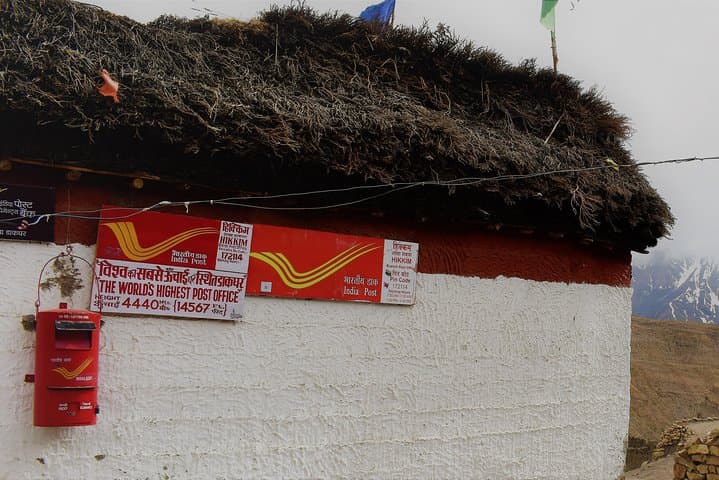
Spiti — literally the 'middle land' between India and Tibet — carries deep Buddhist roots. Tabo and Key monasteries hold centuries of murals and manuscripts; the landscape itself is geological memory, once seabed now uplifted into folded cliffs and scree. Local villages keep agrarian rhythms: apple orchards in Kinnaur, yak and barley at higher elevations, and the highest motorable villages like Komic and Hikkim that still send letters from the world's loftiest post office.
This guided road trip stitches high passes, short hikes and cultural stops across roughly nine to ten days, moving between Shimla, Sangla, Kalpa and the heart of Spiti at Kaza. Expect dusty dirt roads, steep switchbacks, scree slopes and compact village tracks. Wildlife is shy but present — blue sheep on ridges, lammergeiers above remote gorges.
Practical guidance: prioritize altitude acclimatization, hydrate and pace activity; nights are cold and sun is intense, so layer clothing and carry a warm sleeping bag. Travel daylight only, keep essential documents handy for permits and vehicle checks, and allow extra time for road and weather delays. With solid fitness and flexible timing, this trip delivers stark panoramas, monastery rituals and high‑altitude solitude that reward careful planning.
challenging.
9–10 days.
Suitable for travelers with good aerobic fitness and prior multi-day hiking or biking experience; be prepared for extended days at high altitude.
Domestic travelers usually need photo ID; foreign nationals should check current inner-line permit rules and bring passport copies — your operator typically assists with required permits.
Late May to September is the road-access window; summer offers milder temperatures and open passes, while monsoon edges can bring landslides in lower approaches.
Spiti towns like Kaza sit around 3,800–3,900 m, where mild altitude symptoms are common; follow acclimatization rules: hydrate, rest, avoid heavy exertion on arrival and descend if symptoms worsen.
Sections are rideable for experienced mountain bikers but include long dirt stretches and steep climbs; many travelers combine biking with vehicle transfers for remote segments.
Spiti's settlements grew along trans‑Himalayan routes; monasteries such as Tabo (10th century) and Key have been cultural hubs for centuries.
High‑altitude ecosystems are fragile and water‑scarce; stick to marked paths, pack out waste, and support local homestays to benefit communities.
Trans Himalaya Travels operates guided outdoor trips and adventures with an emphasis on safety, stewardship, and memorable experiences.
On the high road into Spiti, the air thins and ridgelines sharpen. A convoy of vehicles and cyclists threads past stony fields, rivers braiding toward the Sutlej, and gompas clinging to sun-baked cliffs. Morning light exposes the salt‑flat colors of the cold desert; wind scours the passes and the valley answers with a flat, steady silence.
On the high road into Spiti, the air thins and ridgelines sharpen. A convoy of vehicles and cyclists threads past stony fields, rivers braiding toward the Sutlej, and gompas clinging to sun-baked cliffs. Morning light exposes the salt‑flat colors of the cold desert; wind scours the passes and the valley answers with a flat, steady silence.
Spiti — literally the 'middle land' between India and Tibet — carries deep Buddhist roots. Tabo and Key monasteries hold centuries of murals and manuscripts; the landscape itself is geological memory, once seabed now uplifted into folded cliffs and scree. Local villages keep agrarian rhythms: apple orchards in Kinnaur, yak and barley at higher elevations, and the highest motorable villages like Komic and Hikkim that still send letters from the world's loftiest post office.
This guided road trip stitches high passes, short hikes and cultural stops across roughly nine to ten days, moving between Shimla, Sangla, Kalpa and the heart of Spiti at Kaza. Expect dusty dirt roads, steep switchbacks, scree slopes and compact village tracks. Wildlife is shy but present — blue sheep on ridges, lammergeiers above remote gorges.
Practical guidance: prioritize altitude acclimatization, hydrate and pace activity; nights are cold and sun is intense, so layer clothing and carry a warm sleeping bag. Travel daylight only, keep essential documents handy for permits and vehicle checks, and allow extra time for road and weather delays. With solid fitness and flexible timing, this trip delivers stark panoramas, monastery rituals and high‑altitude solitude that reward careful planning.