THE ADVENTURE COLLECTIVE® · Independent discovery and booking for outdoor travel

Experience Varanasi’s riverfront rituals and Sarnath’s Buddhist shrines on a compact 2–3 day private tour. Sunrise boat rides, Ganga Aarti, and guided exploration of historic ghats create a concentrated immersion into one of India’s oldest living cities.
Experience Varanasi’s riverfront rituals and Sarnath’s Buddhist shrines on a compact 2–3 day private tour. Sunrise boat rides, Ganga Aarti, and guided exploration of historic ghats create a concentrated immersion into one of India’s oldest living cities.
You step from the sedan into a narrow lane that smells of incense and frying spices; the Ganges waits below, its surface waking to orange light and the low chant of morning puja. Boats slip like slow thoughts along the river as priests move through the smoke of camphor; the city presses close—stone staircases, temple bells, and the constant flow of people carrying small offerings.
Verified experiences and guided adventures in the surrounding area.
Operated by Ghum India Ghum · Varanasi, Uttar Pradesh
You step from the sedan into a narrow lane that smells of incense and frying spices; the Ganges waits below, its surface waking to orange light and the low chant of morning puja. Boats slip like slow thoughts along the river as priests move through the smoke of camphor; the city presses close—stone staircases, temple bells, and the constant flow of people carrying small offerings.
Varanasi is one of the world’s oldest continuously inhabited cities, layered with Vedic, Hindu and Buddhist history—Sarnath, ten kilometres away, is where Buddha first taught. Geologically the region sits on the alluvial plains of the Ganges, a flat, fertile landscape that has fed civilization for millennia and shaped the city’s riverside rituals.
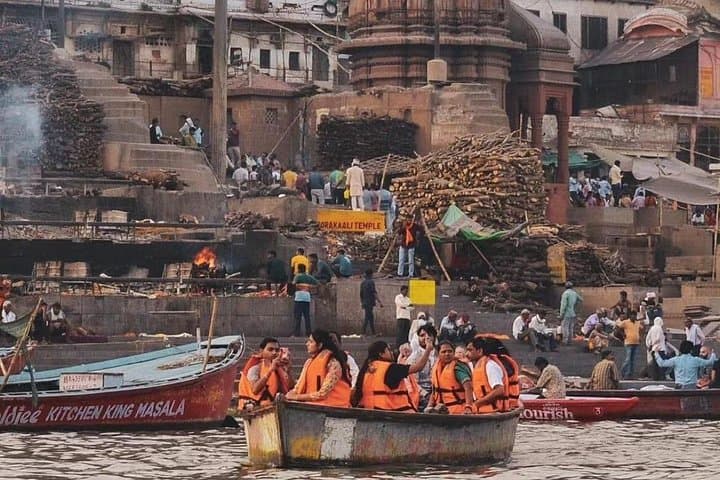
Culturally, the ghats are public stages: cremation rites at Manikarnika, evening Ganga Aarti at Dashashwamedh, and quiet devotion at smaller temple shrines. Local life moves at dawn and dusk—tea stalls, silk sellers, and Sanskrit students crossing courtyards.
Practical guidance: this private 2–3 day package typically includes airport or station pickup, two nights in a deluxe double room, sunrise boat ride, guided visits to major temples and Sarnath, and daily breakfasts. Expect early starts for the boat at sunrise and many short walks on uneven stone steps; wear sturdy, grippy shoes and modest clothing that covers shoulders and knees. Carry a reusable water bottle and small cash for offerings and chai. Respect photography rules near rituals, follow guides’ directions at ghats, and plan for crowded, sensory-rich streets. With basic preparation, the tour delivers an intimate, concentrated look at Varanasi’s living rituals and ancient history.
easy.
2–3 days.
Suitable for travelers of most fitness levels; requires short walks and repeated stair climbs at ghats.
The itinerary lists a sunrise boat ride; confirm during booking as some operators may mark it optional depending on weather or preference.
Yes—this private tour includes airport/railway pickup and drop-off in an AC sedan as stated in the inclusions.
The tour is rated easy but involves many stone steps and boat entry; notify the operator ahead for wheelchair-accessible arrangements and to confirm accessible transportation.
Photography is common but always ask before photographing rituals or individuals; carry small cash for offerings and follow guide instructions at cremation ghats.
Varanasi (Kashi) dates back millennia and is central to Hindu devotion; Sarnath nearby is where Buddha delivered his first sermon after enlightenment.
The Ganges faces pollution pressures; support responsible operators, avoid littering at ghats, and be aware of local river-cleanup efforts such as Namami Gange.
Ghum India Ghum operates guided outdoor trips and adventures with an emphasis on safety, stewardship, and memorable experiences.
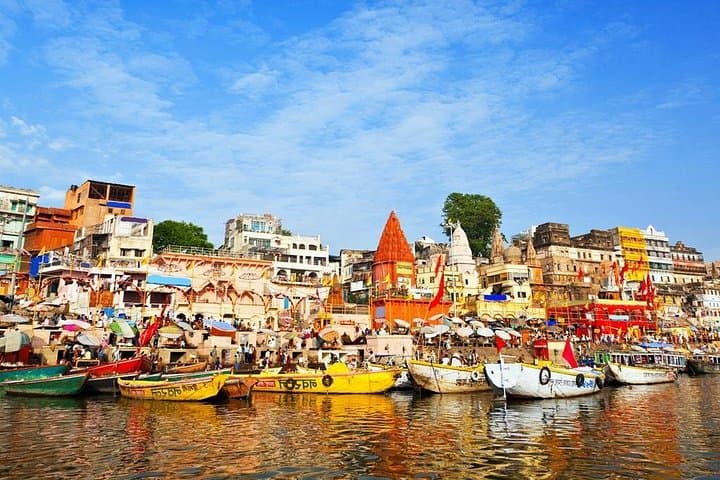
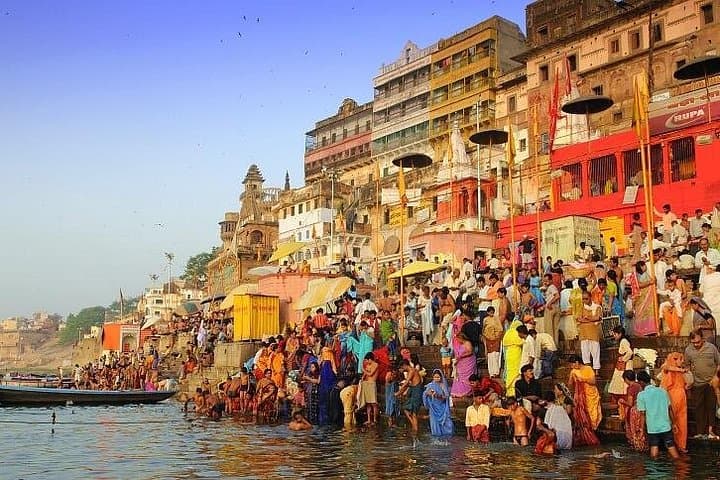
You step from the sedan into a narrow lane that smells of incense and frying spices; the Ganges waits below, its surface waking to orange light and the low chant of morning puja. Boats slip like slow thoughts along the river as priests move through the smoke of camphor; the city presses close—stone staircases, temple bells, and the constant flow of people carrying small offerings.
You step from the sedan into a narrow lane that smells of incense and frying spices; the Ganges waits below, its surface waking to orange light and the low chant of morning puja. Boats slip like slow thoughts along the river as priests move through the smoke of camphor; the city presses close—stone staircases, temple bells, and the constant flow of people carrying small offerings.
Varanasi is one of the world’s oldest continuously inhabited cities, layered with Vedic, Hindu and Buddhist history—Sarnath, ten kilometres away, is where Buddha first taught. Geologically the region sits on the alluvial plains of the Ganges, a flat, fertile landscape that has fed civilization for millennia and shaped the city’s riverside rituals.
Culturally, the ghats are public stages: cremation rites at Manikarnika, evening Ganga Aarti at Dashashwamedh, and quiet devotion at smaller temple shrines. Local life moves at dawn and dusk—tea stalls, silk sellers, and Sanskrit students crossing courtyards.
Practical guidance: this private 2–3 day package typically includes airport or station pickup, two nights in a deluxe double room, sunrise boat ride, guided visits to major temples and Sarnath, and daily breakfasts. Expect early starts for the boat at sunrise and many short walks on uneven stone steps; wear sturdy, grippy shoes and modest clothing that covers shoulders and knees. Carry a reusable water bottle and small cash for offerings and chai. Respect photography rules near rituals, follow guides’ directions at ghats, and plan for crowded, sensory-rich streets. With basic preparation, the tour delivers an intimate, concentrated look at Varanasi’s living rituals and ancient history.