THE ADVENTURE COLLECTIVE® · Independent discovery and booking for outdoor travel

Spend a day moving from the ritual banks of Har-ki-Pauri in Haridwar to the ashrams and suspension bridges of Rishikesh. This private, full-day tour pairs the Ganga aarti with opportunities for yoga and riverside exploration.
Spend a day moving from the ritual banks of Har-ki-Pauri in Haridwar to the ashrams and suspension bridges of Rishikesh. This private, full-day tour pairs the Ganga aarti with opportunities for yoga and riverside exploration.
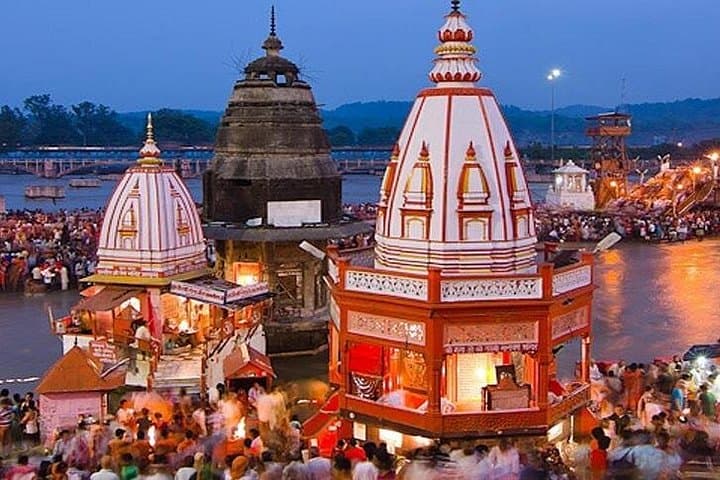
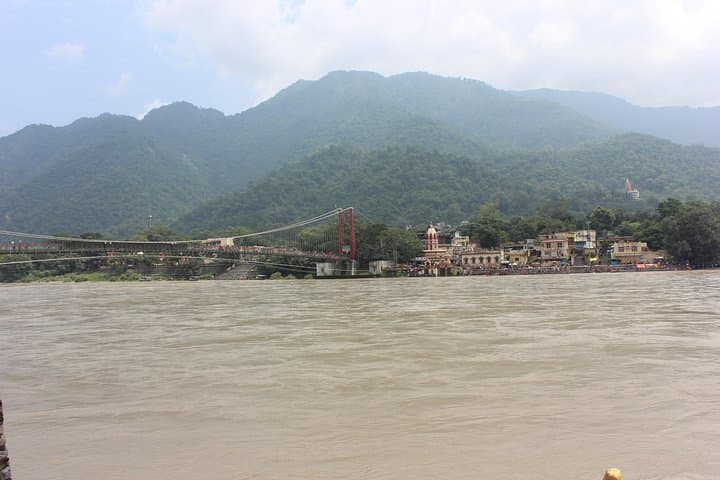
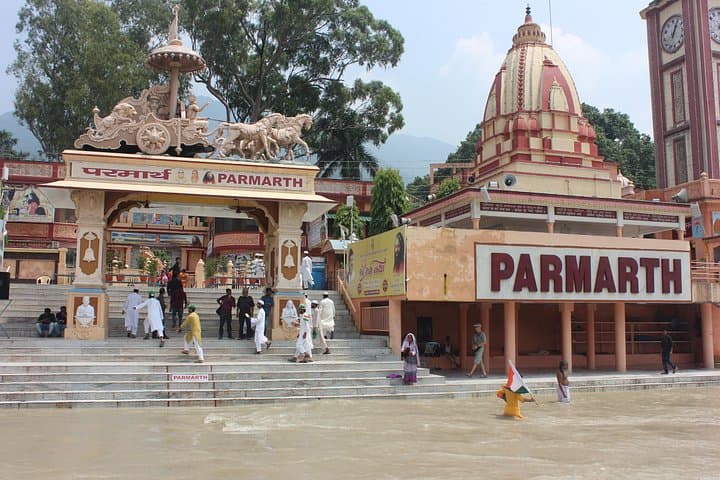
You arrive at dawn on the banks of the Ganges, mist lifting off the river as vendors set out metal lamps and marigold garlands. In Haridwar the morning light hits Har-ki-Pauri’s broad stone steps and the city hums with pilgrims preparing for the Ganga aarti; later the road climbs toward Rishikesh, where the river narrows and the rhythm shifts toward ashrams, cafes, and suspension bridges.
Verified experiences and guided adventures in the surrounding area.
Operated by Ghum India Ghum · Haridwar, Uttarakhand
You arrive at dawn on the banks of the Ganges, mist lifting off the river as vendors set out metal lamps and marigold garlands. In Haridwar the morning light hits Har-ki-Pauri’s broad stone steps and the city hums with pilgrims preparing for the Ganga aarti; later the road climbs toward Rishikesh, where the river narrows and the rhythm shifts toward ashrams, cafes, and suspension bridges.
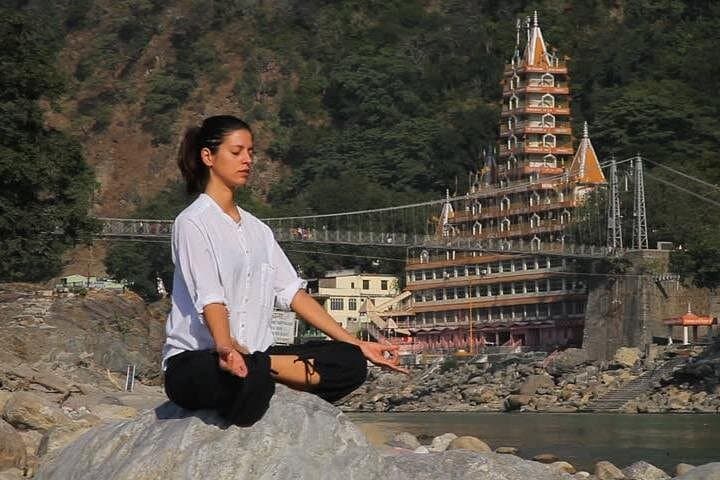
The two towns sit at the southern edge of the Himalaya foothills where Himalayan streams feed the Ganges; Haridwar’s ghats have been a focal point of Hindu ritual for centuries while Rishikesh grew in modern times as a center for yoga and river sports. Expect a cross-section of classical ritual — priests, bell-ringing, and ceremonial lamps — alongside contemporary yoga classes and traveler-oriented cafes clustered near Ram and Laxman Jhula.
Practically, this is a full-day private tour that balances short walks, temple visits, and time at riverside spots. Photography is welcome but respect priestly rites and signs restricting images during puja. Wear modest, quick-dry clothing for temple entry and bring a small towel if you plan to step near the water. The day can be warm and sunny, with many steps and uneven surfaces; comfortable shoes and hydration matter.
Timing matters: arrive early for quieter ghats and reserve late afternoon for Har-ki-Pauri’s aarti when the river is lit by hundreds of lamps. If you want yoga, confirm class times in advance. The route gives a compact window into northern India’s spiritual geography — sensory, direct, and easily accessible from local transport hubs.
easy.
6–7 hours.
Suitable for most fitness levels; requires short walks and stair climbs—no sustained exertion.
Yoga classes are not guaranteed—many Rishikesh ashrams offer drop-in classes but you should confirm and book ahead if a session is important.
Yes; shoes are typically removed before entering temple complexes and at many shrine areas on the ghats—carry socks if needed.
The aarti is open to the public and very accessible, though it can be crowded; arrive early for a better view and be mindful of moving crowds near the water.
This tour commonly includes bottled water and light snacks, but main meals are usually not included—confirm with your operator for specific inclusions.
Haridwar has been a major religious center for millennia because it marks one of the first large ghats as the Ganges descends from the Himalaya; Rishikesh later developed into a global yoga hub during the 20th century.
The Ganges basin faces pollution pressures; using refillable bottles, avoiding single-use plastics, and following local guidance on bathing can reduce visitor impact.
Ghum India Ghum operates guided outdoor trips and adventures with an emphasis on safety, stewardship, and memorable experiences.
You arrive at dawn on the banks of the Ganges, mist lifting off the river as vendors set out metal lamps and marigold garlands. In Haridwar the morning light hits Har-ki-Pauri’s broad stone steps and the city hums with pilgrims preparing for the Ganga aarti; later the road climbs toward Rishikesh, where the river narrows and the rhythm shifts toward ashrams, cafes, and suspension bridges.
You arrive at dawn on the banks of the Ganges, mist lifting off the river as vendors set out metal lamps and marigold garlands. In Haridwar the morning light hits Har-ki-Pauri’s broad stone steps and the city hums with pilgrims preparing for the Ganga aarti; later the road climbs toward Rishikesh, where the river narrows and the rhythm shifts toward ashrams, cafes, and suspension bridges.
The two towns sit at the southern edge of the Himalaya foothills where Himalayan streams feed the Ganges; Haridwar’s ghats have been a focal point of Hindu ritual for centuries while Rishikesh grew in modern times as a center for yoga and river sports. Expect a cross-section of classical ritual — priests, bell-ringing, and ceremonial lamps — alongside contemporary yoga classes and traveler-oriented cafes clustered near Ram and Laxman Jhula.
Practically, this is a full-day private tour that balances short walks, temple visits, and time at riverside spots. Photography is welcome but respect priestly rites and signs restricting images during puja. Wear modest, quick-dry clothing for temple entry and bring a small towel if you plan to step near the water. The day can be warm and sunny, with many steps and uneven surfaces; comfortable shoes and hydration matter.
Timing matters: arrive early for quieter ghats and reserve late afternoon for Har-ki-Pauri’s aarti when the river is lit by hundreds of lamps. If you want yoga, confirm class times in advance. The route gives a compact window into northern India’s spiritual geography — sensory, direct, and easily accessible from local transport hubs.