THE ADVENTURE COLLECTIVE® · Independent discovery and booking for outdoor travel

Leave Delhi before sunrise for a compact, private day trip into Kurukshetra’s living legends — from Jyotisar’s sacred banyans to the reflective waters of Brahma Sarovar. This guided route stitches Mahabharata lore, Mughal-era Sufi architecture, and active temple rituals into a single day.
Leave Delhi before sunrise for a compact, private day trip into Kurukshetra’s living legends — from Jyotisar’s sacred banyans to the reflective waters of Brahma Sarovar. This guided route stitches Mahabharata lore, Mughal-era Sufi architecture, and active temple rituals into a single day.
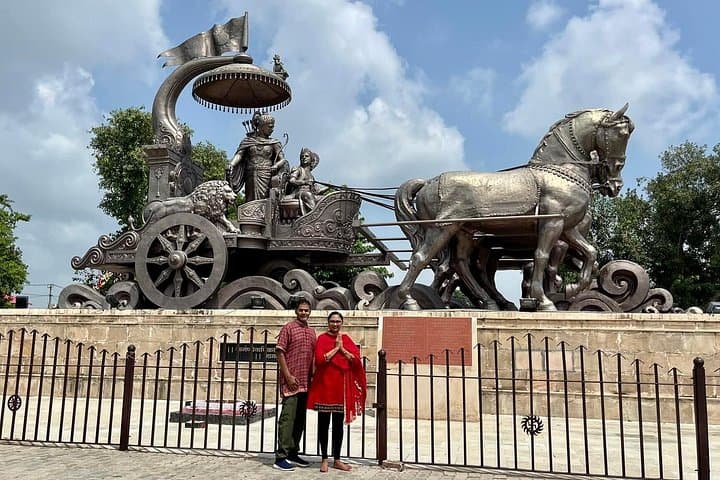
A pre-dawn drive from Delhi dissolves the city’s glare into fields and low hills; by the time the bus threads into Kurukshetra the air carries the faint smoke of temple lamps and the metallic call of temple bells. At Jyotisar, the banyan trees lean toward the dust where Krishna is said to have spoken the Bhagavad Gita — the landscape itself seems to invite reflection as pilgrims perform rituals on the riverbank.
Verified experiences and guided adventures in the surrounding area.
Operated by Agora Voyages Pvt. Ltd. · Kurukshetra, Haryana
A pre-dawn drive from Delhi dissolves the city’s glare into fields and low hills; by the time the bus threads into Kurukshetra the air carries the faint smoke of temple lamps and the metallic call of temple bells. At Jyotisar, the banyan trees lean toward the dust where Krishna is said to have spoken the Bhagavad Gita — the landscape itself seems to invite reflection as pilgrims perform rituals on the riverbank.
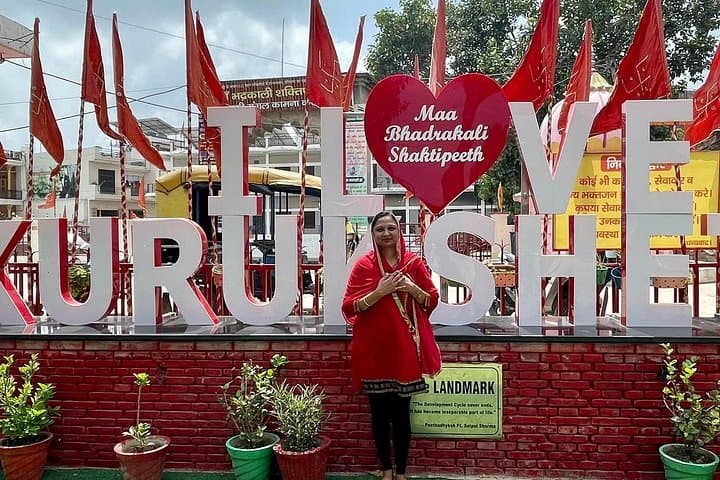
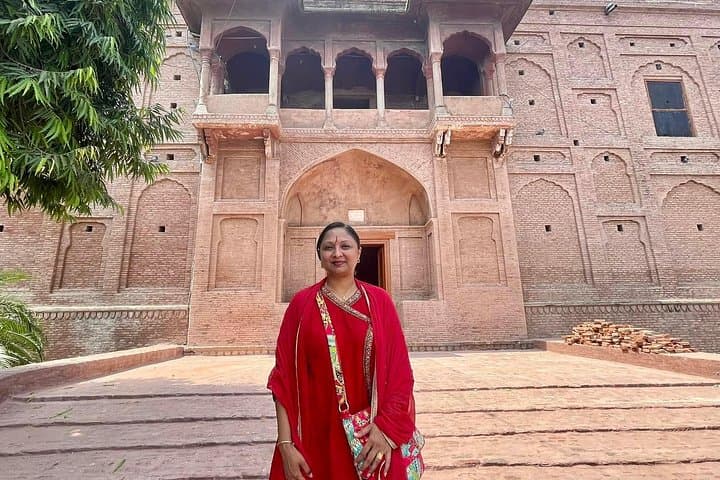
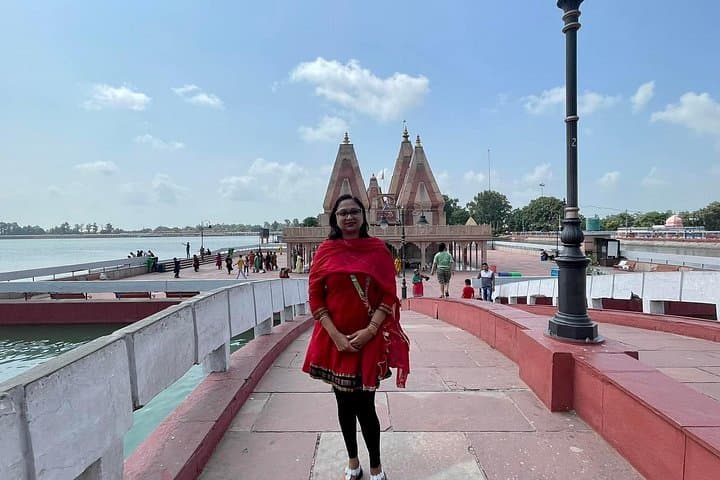
Kurukshetra’s history is welded to the Mahabharata: sacred tanks such as Brahma Sarovar and Sannihit Sarovar are living archives of ritual bathing and collective memory. The region’s alluvial plains and shallow water bodies reflect centuries of human ritual rather than dramatic geology, yet the rhythm of fields and canals shapes travel here, guiding visitors between temples and tombs. Pehowa’s Kartikeya Temple and the Bhadrakali shrine reveal continuity of worship, while Sheikh Chilli’s Tomb points to the Mughal-era Sufi threads in local culture.
Practical guidance: expect a long day—pickups early morning from Delhi and return late evening. Modest clothing is required for temple entry; footwear is removed frequently. Hydrate between stops and keep a small towel for temple steps and sarovar edges. Expect steady, easy walking on paved and packed-earth surfaces with some uneven temple approaches.
For planners: carry exact-change for small donations and prefer guided entry at busy sites; photography is generally allowed but be respectful during rituals. The trip mixes quiet, reflective moments at water sites with short visits to architectural sites—ideal for travelers who want cultural depth without extended trekking.
easy.
7–8 hours.
Suitable for most fitness levels; involves repeated short walks and standing at temple sites
Travel time is roughly 3–4 hours each way by private vehicle depending on traffic; the full tour generally lasts 7–8 hours.
Some entrance fees may be included depending on the booking option; expect to cover small local fees or donations if not included.
Yes—physical demands are low with mostly short walks and paved approaches; infant seats and stroller access are often available in the vehicle.
Photography is generally allowed at many outdoor sites, but follow signage and avoid photographing active rituals or restricted interiors.
Kurukshetra is identified in ancient texts as the battlefield of the Mahabharata and a major religious center for Vedic and Hindu traditions.
Visitors should avoid littering near sarovars and use provided dustbins; local efforts focus on maintaining water quality in sacred tanks and managing visitor impact.
Agora Voyages Pvt. Ltd. operates guided outdoor trips and adventures with an emphasis on safety, stewardship, and memorable experiences.
A pre-dawn drive from Delhi dissolves the city’s glare into fields and low hills; by the time the bus threads into Kurukshetra the air carries the faint smoke of temple lamps and the metallic call of temple bells. At Jyotisar, the banyan trees lean toward the dust where Krishna is said to have spoken the Bhagavad Gita — the landscape itself seems to invite reflection as pilgrims perform rituals on the riverbank.
A pre-dawn drive from Delhi dissolves the city’s glare into fields and low hills; by the time the bus threads into Kurukshetra the air carries the faint smoke of temple lamps and the metallic call of temple bells. At Jyotisar, the banyan trees lean toward the dust where Krishna is said to have spoken the Bhagavad Gita — the landscape itself seems to invite reflection as pilgrims perform rituals on the riverbank.
Kurukshetra’s history is welded to the Mahabharata: sacred tanks such as Brahma Sarovar and Sannihit Sarovar are living archives of ritual bathing and collective memory. The region’s alluvial plains and shallow water bodies reflect centuries of human ritual rather than dramatic geology, yet the rhythm of fields and canals shapes travel here, guiding visitors between temples and tombs. Pehowa’s Kartikeya Temple and the Bhadrakali shrine reveal continuity of worship, while Sheikh Chilli’s Tomb points to the Mughal-era Sufi threads in local culture.
Practical guidance: expect a long day—pickups early morning from Delhi and return late evening. Modest clothing is required for temple entry; footwear is removed frequently. Hydrate between stops and keep a small towel for temple steps and sarovar edges. Expect steady, easy walking on paved and packed-earth surfaces with some uneven temple approaches.
For planners: carry exact-change for small donations and prefer guided entry at busy sites; photography is generally allowed but be respectful during rituals. The trip mixes quiet, reflective moments at water sites with short visits to architectural sites—ideal for travelers who want cultural depth without extended trekking.