THE ADVENTURE COLLECTIVE® · Independent discovery and booking for outdoor travel

A private, customizable 4–5 hour introduction to Ishigaki that blends coastal geology, local food, and hands-on cultural stops. Ideal for travelers who want more than a sightseeing circuit—expect pineapple farms, limestone caves, Shisa pottery, and ocean lookouts.
A private, customizable 4–5 hour introduction to Ishigaki that blends coastal geology, local food, and hands-on cultural stops. Ideal for travelers who want more than a sightseeing circuit—expect pineapple farms, limestone caves, Shisa pottery, and ocean lookouts.
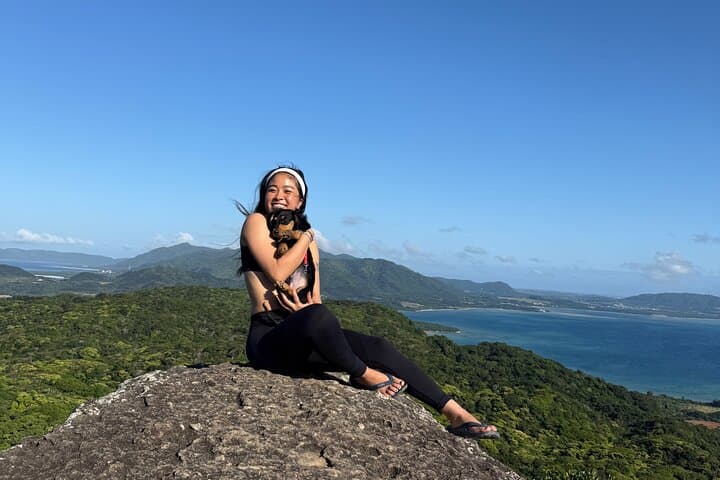
You step out of an air-conditioned van and the first thing that grabs you is the salt-sweet wind pushing across a low cliff—waves carving their language into black limestone below. The guide, born and raised on the island, sketches a rough route on a scrap of paper: a pineapple farm where fruit is still sliced by hand, a jagged sea cave that frames the ocean like a theatre, a Shisa display where pottery eyes stare down the breeze, and a lookout that lays Ishigaki’s coast at your feet.
Verified experiences and guided adventures in the surrounding area.
Operated by Steph · Ishigaki, Okinawa Prefecture
You step out of an air-conditioned van and the first thing that grabs you is the salt-sweet wind pushing across a low cliff—waves carving their language into black limestone below. The guide, born and raised on the island, sketches a rough route on a scrap of paper: a pineapple farm where fruit is still sliced by hand, a jagged sea cave that frames the ocean like a theatre, a Shisa display where pottery eyes stare down the breeze, and a lookout that lays Ishigaki’s coast at your feet.
This is not a checklist tour; it’s a conversation with place. The island’s story is layered—Ryukyu Kingdom trade routes, sugarcane plantations, and wartime histories sit beside subtler threads: oral folktales about coastal spirits and the slow work of coral growing on the reef. Geologically, Ishigaki is a limestone outcrop born of uplifted coral and volcanic neighbors; cliffs and caves are the visible grammar of that process, exposed where the sea dared to test the rock.
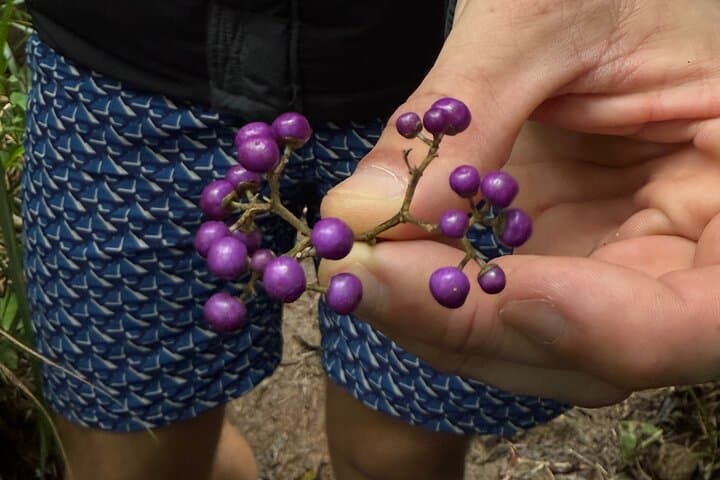
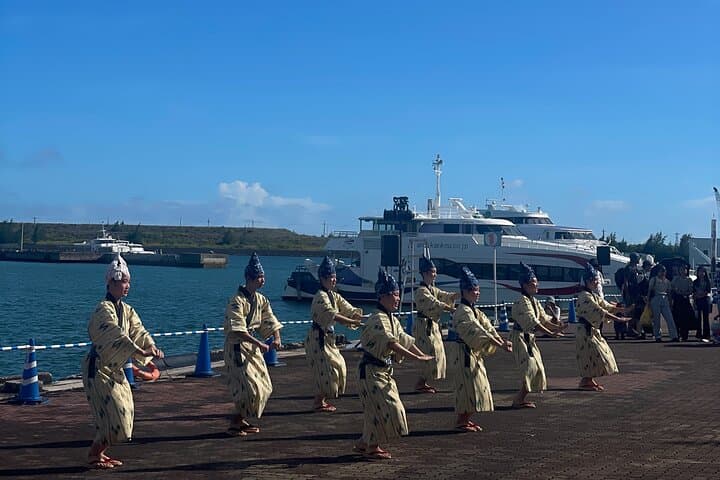
Culturally the island hums with Okinawan rhythms—the sanshin string in a bakery doorway, flavors of goya and pork reinterpreted by local chefs, and the playful guardians known as Shisa watching from gateposts and roadside shrines. Watch for the small, local-scale industries: pineapple farmers who still cultivate the fruit varieties unique to Yaeyama, and potters keeping Shisa forms original and eccentric.
Practicalities are simple. The private tour runs about 4–5 hours and is fully customizable—good for travelers who want gentle walks, short hikes, or mostly coastal time. Expect a mix of paved roads, short dirt tracks, and stairs at observation points; one hike can be technical and slippery in rain. Bring reef-safe sunscreen, sturdy sandals or light hiking shoes, and a refillable water bottle. Morning light is best for photos on the east-facing cliffs; afternoons suit snorkeling in calmer coves.
The tour operator emphasizes flexibility—pick your pickup point, request stops for local snacks, or extend a swim at the end. Because many sites are exposed, plan for sun and sudden showers, and be mindful of reef health when snorkeling: no touching or standing on coral.
By the time you fold back into the van, you’ll have tasted pineapple sliced by a farmer, seen pottery watching the ocean, and felt how the island’s geology and stories shape daily life. The point of the tour is less a list of landmarks and more a guided way to read Ishigaki on its own terms—quiet, tactile, and ready to reward curiosity.
moderate.
4–5 hours.
Suitable for travelers in light to moderate fitness: involves walking, short hikes, and some stairs; one trail can be slippery in wet weather.
Yes—the itinerary is flexible and can be paced for children; infants must sit on a lap in the vehicle.
No; snorkeling stops are optional and guided locations are chosen for safety, but basic comfort in water is helpful.
Yes—this is a private tour and the guide tailors stops to your interests, within the 4–5 hour window.
Some points include admission while others do not; confirm any paid-entry sites before booking to avoid surprises.
The guide is a native English speaker; local Japanese is used at some farms and shops but the guide can translate.
The operator offers flexible pickup on Ishigaki—specify your hotel or a nearby meeting point when booking.
Ishigaki was part of the Ryukyu Kingdom and served as a maritime crossroads; local customs and crafts reflect that blending of maritime trade and island life.
Coral reefs around Ishigaki are fragile; visitors are encouraged to use reef-safe products and follow local rules to minimize reef damage.
Steph operates guided outdoor trips and adventures with an emphasis on safety, stewardship, and memorable experiences.
You step out of an air-conditioned van and the first thing that grabs you is the salt-sweet wind pushing across a low cliff—waves carving their language into black limestone below. The guide, born and raised on the island, sketches a rough route on a scrap of paper: a pineapple farm where fruit is still sliced by hand, a jagged sea cave that frames the ocean like a theatre, a Shisa display where pottery eyes stare down the breeze, and a lookout that lays Ishigaki’s coast at your feet.
You step out of an air-conditioned van and the first thing that grabs you is the salt-sweet wind pushing across a low cliff—waves carving their language into black limestone below. The guide, born and raised on the island, sketches a rough route on a scrap of paper: a pineapple farm where fruit is still sliced by hand, a jagged sea cave that frames the ocean like a theatre, a Shisa display where pottery eyes stare down the breeze, and a lookout that lays Ishigaki’s coast at your feet.
This is not a checklist tour; it’s a conversation with place. The island’s story is layered—Ryukyu Kingdom trade routes, sugarcane plantations, and wartime histories sit beside subtler threads: oral folktales about coastal spirits and the slow work of coral growing on the reef. Geologically, Ishigaki is a limestone outcrop born of uplifted coral and volcanic neighbors; cliffs and caves are the visible grammar of that process, exposed where the sea dared to test the rock.
Culturally the island hums with Okinawan rhythms—the sanshin string in a bakery doorway, flavors of goya and pork reinterpreted by local chefs, and the playful guardians known as Shisa watching from gateposts and roadside shrines. Watch for the small, local-scale industries: pineapple farmers who still cultivate the fruit varieties unique to Yaeyama, and potters keeping Shisa forms original and eccentric.
Practicalities are simple. The private tour runs about 4–5 hours and is fully customizable—good for travelers who want gentle walks, short hikes, or mostly coastal time. Expect a mix of paved roads, short dirt tracks, and stairs at observation points; one hike can be technical and slippery in rain. Bring reef-safe sunscreen, sturdy sandals or light hiking shoes, and a refillable water bottle. Morning light is best for photos on the east-facing cliffs; afternoons suit snorkeling in calmer coves.
The tour operator emphasizes flexibility—pick your pickup point, request stops for local snacks, or extend a swim at the end. Because many sites are exposed, plan for sun and sudden showers, and be mindful of reef health when snorkeling: no touching or standing on coral.
By the time you fold back into the van, you’ll have tasted pineapple sliced by a farmer, seen pottery watching the ocean, and felt how the island’s geology and stories shape daily life. The point of the tour is less a list of landmarks and more a guided way to read Ishigaki on its own terms—quiet, tactile, and ready to reward curiosity.