THE ADVENTURE COLLECTIVE® · Independent discovery and booking for outdoor travel

Explore Zanzibar’s Spice Farms, wander Stone Town’s storied alleys, and meet the giant tortoises of Prison Island on a flexible 2–8 hour day tour. Expect sensory-rich plant walks, short boat crossings, and practical cultural insights suitable for most travelers.
Explore Zanzibar’s Spice Farms, wander Stone Town’s storied alleys, and meet the giant tortoises of Prison Island on a flexible 2–8 hour day tour. Expect sensory-rich plant walks, short boat crossings, and practical cultural insights suitable for most travelers.
You step off the shaded minivan and warm, humid air rolls over clove and cinnamon trees that seem to lean forward, offering up their scents like a welcome. The Spice Farm walk begins on soft, loamy paths through a small coastal rainforest where cardamom vines curl and vanilla orchids hang low; guides stop to let you crush a leaf or nibble a fresh coconut, turning botanical fact into a sensory map.
Verified experiences and guided adventures in the surrounding area.
Operated by Booking Shots Tourism Promotion Company (Head Branch) · Stone Town, Zanzibar
You step off the shaded minivan and warm, humid air rolls over clove and cinnamon trees that seem to lean forward, offering up their scents like a welcome. The Spice Farm walk begins on soft, loamy paths through a small coastal rainforest where cardamom vines curl and vanilla orchids hang low; guides stop to let you crush a leaf or nibble a fresh coconut, turning botanical fact into a sensory map.
Zanzibar’s role in the global spice trade shaped Stone Town’s maze of alleys, Omani mansions, and coral-stone architecture; nearby Prison Island speaks to maritime history and colonial schemes, now dominated by the slow, deliberate movements of Aldabra giant tortoises. Geologically the island is a raised coral platform — flat, porous limestone underfoot, with pockets of richer volcanic soil feeding the spice gardens.
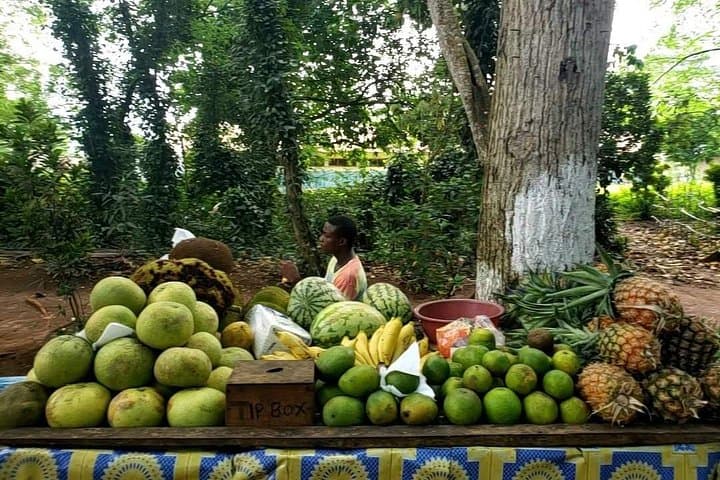
Culturally the tour stitches local Swahili life into each stop: demonstrations of medicinal uses, a short Swahili cooking insight, and visits to market stalls where traders weigh and wrap fresh spices.
Practical guidance: this is a mostly easy, low-elevation day with a 2–8 hour window depending on chosen stops. Wear closed-toe walking shoes for farm tracks, bring sun protection and mosquito repellent for late afternoon, and carry a refillable water bottle — bottled water is provided but days are hot. Boat transfers to Prison Island are short but can be choppy; carry a light layer for sea breeze and respect local customs—dress modestly in Stone Town. The route suits travelers of most fitness levels and rewards curiosity with vivid smells, tactile plants, and close encounters with conservation-focused tortoise keepers.
easy.
2–8 hours.
Suitable for most fitness levels; involves 1–2 hours of walking on gentle, uneven ground and short boat transfers.
The tour runs between 2 and 8 hours depending on the itinerary chosen—standard options include a 2-hour spice walk, a combined Stone Town visit, and a 3-hour Prison Island stop with boat transfers.
The tour notes wheelchair-accessible transport and surfaces at some sites, but access on farm paths and on Prison Island can be limited; check with the operator about specific mobility needs before booking.
Bottled water is included; many spice farms offer fruit tastings and farm-fresh coconut juice, while meals or night-market snacks in Stone Town are usually extra.
Yes—this itinerary is family-friendly with educational elements; infants may need to sit on laps during transport and short boat rides.
Zanzibar’s economy was shaped by centuries of spice trade and Omani Arab influence; Stone Town grew as a commerce hub connecting East Africa with Arabia and Asia.
The tortoise sanctuary and marine areas rely on sustainable tourism fees and visitor behavior—avoid feeding wildlife outside designated programs and respect coral by not anchoring on reefs.
Booking Shots Tourism Promotion Company (Head Branch) operates guided outdoor trips and adventures with an emphasis on safety, stewardship, and memorable experiences.

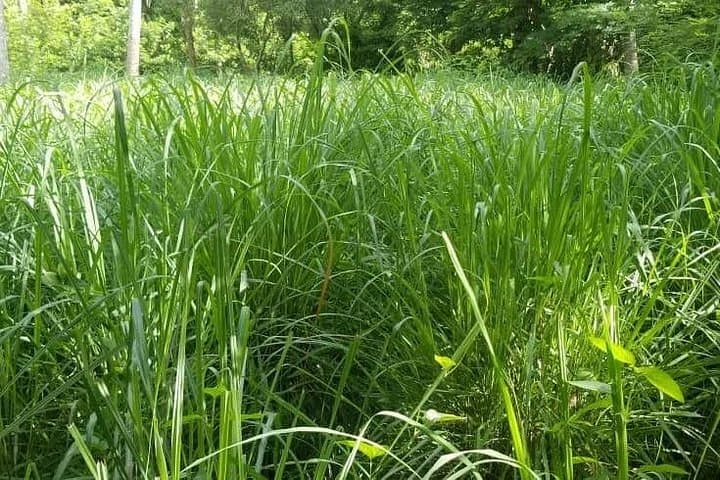
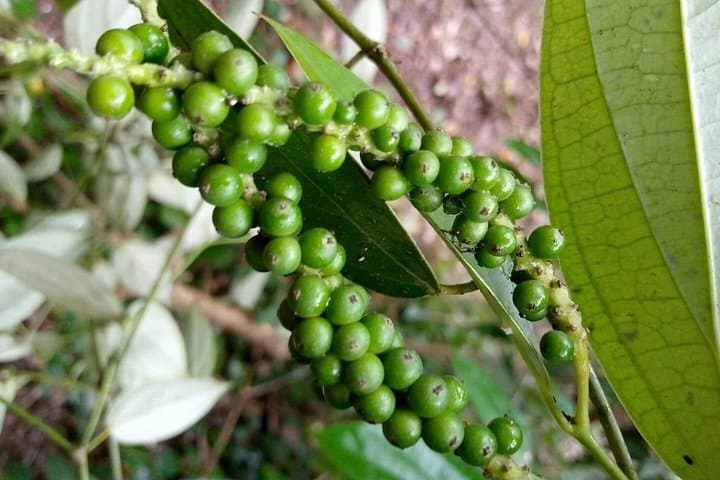
You step off the shaded minivan and warm, humid air rolls over clove and cinnamon trees that seem to lean forward, offering up their scents like a welcome. The Spice Farm walk begins on soft, loamy paths through a small coastal rainforest where cardamom vines curl and vanilla orchids hang low; guides stop to let you crush a leaf or nibble a fresh coconut, turning botanical fact into a sensory map.
You step off the shaded minivan and warm, humid air rolls over clove and cinnamon trees that seem to lean forward, offering up their scents like a welcome. The Spice Farm walk begins on soft, loamy paths through a small coastal rainforest where cardamom vines curl and vanilla orchids hang low; guides stop to let you crush a leaf or nibble a fresh coconut, turning botanical fact into a sensory map.
Zanzibar’s role in the global spice trade shaped Stone Town’s maze of alleys, Omani mansions, and coral-stone architecture; nearby Prison Island speaks to maritime history and colonial schemes, now dominated by the slow, deliberate movements of Aldabra giant tortoises. Geologically the island is a raised coral platform — flat, porous limestone underfoot, with pockets of richer volcanic soil feeding the spice gardens.
Culturally the tour stitches local Swahili life into each stop: demonstrations of medicinal uses, a short Swahili cooking insight, and visits to market stalls where traders weigh and wrap fresh spices.
Practical guidance: this is a mostly easy, low-elevation day with a 2–8 hour window depending on chosen stops. Wear closed-toe walking shoes for farm tracks, bring sun protection and mosquito repellent for late afternoon, and carry a refillable water bottle — bottled water is provided but days are hot. Boat transfers to Prison Island are short but can be choppy; carry a light layer for sea breeze and respect local customs—dress modestly in Stone Town. The route suits travelers of most fitness levels and rewards curiosity with vivid smells, tactile plants, and close encounters with conservation-focused tortoise keepers.