THE ADVENTURE COLLECTIVE® · Independent discovery and booking for outdoor travel

Spend a day tracing Zanzibar’s spice heritage and the island’s unique forest life. This private tour combines hands-on spice farm demonstrations with guided walks through Jozani Forest and its mangrove boardwalk.
Spend a day tracing Zanzibar’s spice heritage and the island’s unique forest life. This private tour combines hands-on spice farm demonstrations with guided walks through Jozani Forest and its mangrove boardwalk.
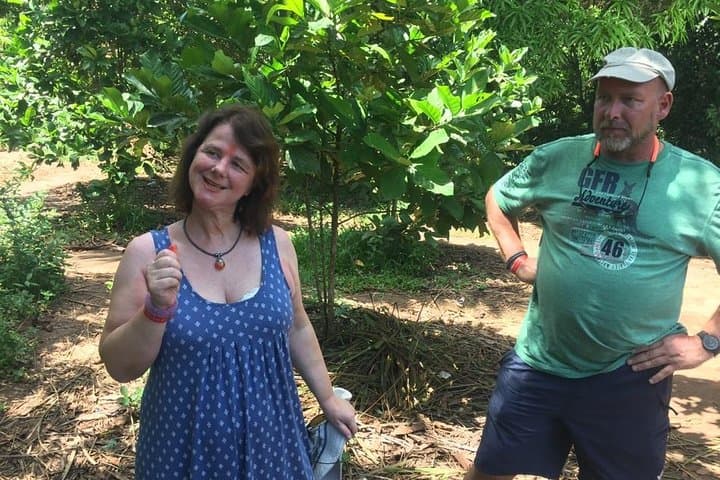
The morning light in Zanzibar leans warm over rows of clove and cinnamon trees as your private driver eases off the main road toward the spice farm. Fragrant steam rises where leaves have been bruised; a guide moves between plants, rubbing a leaf to prove that cardamom will curl into citrus and clove will punch through the air. This is hands-on horticulture — part demonstration, part living market — followed by the island’s contrasting green: Jozani Forest’s low canopy and mangrove channels.
Verified experiences and guided adventures in the surrounding area.
Operated by Lazuli Tours · Zanzibar City, Unguja
The morning light in Zanzibar leans warm over rows of clove and cinnamon trees as your private driver eases off the main road toward the spice farm. Fragrant steam rises where leaves have been bruised; a guide moves between plants, rubbing a leaf to prove that cardamom will curl into citrus and clove will punch through the air. This is hands-on horticulture — part demonstration, part living market — followed by the island’s contrasting green: Jozani Forest’s low canopy and mangrove channels.
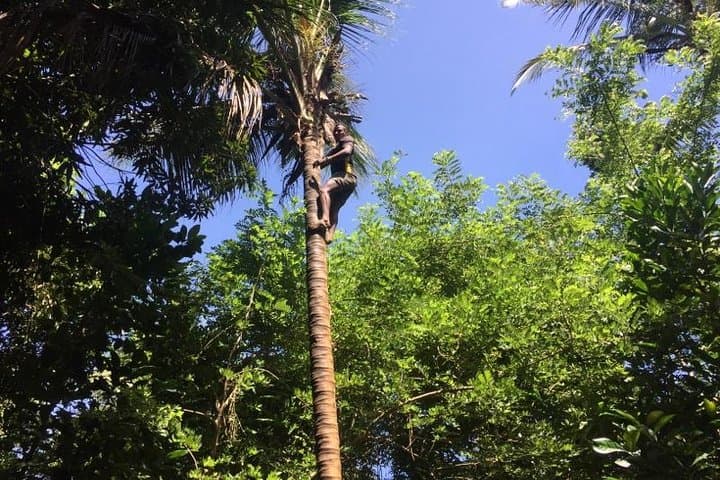
Unguja’s geology is volcanic outwash and coral limestone; soils here sustain palms and spice shrubs while coastal mangroves anchor sediment in sheltered bays. Jozani Chwaka Bay National Park protects the endemic Zanzibar red colobus, a primate you’ll be watching for among mahogany and mangrove roots. Culturally, spice farms shaped Zanzibar’s trade networks and daily life — local guides often mix botanical knowledge with Swahili songs and coconut-climbing demonstrations.
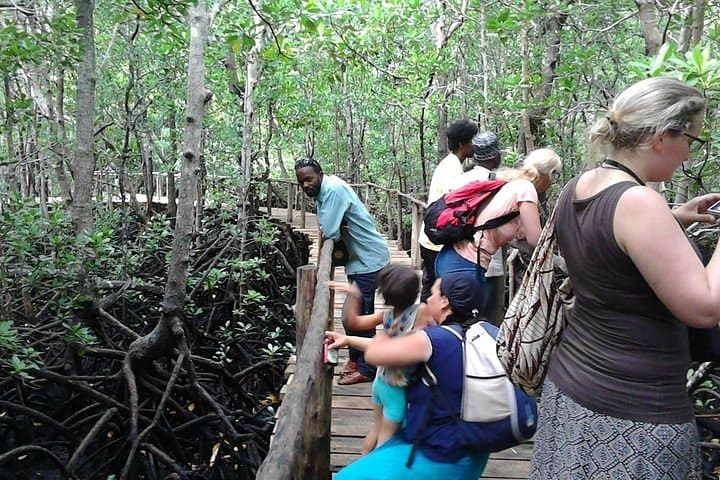
Expect a relaxed half- to full-day itinerary with short walks on flat, sometimes muddy forest trails and a raised mangrove boardwalk. Wear grippy shoes for tree roots and light rain; bring insect repellent and water. The experience balances sensory learning — tasting fresh fruit, smelling nutmeg — with wildlife viewing: keep voices low and let the forest reveal itself. Private transport and bottled water are typically included; park entry may be paid separately. Aim for morning departures to avoid heat and increase monkey activity. This trip is ideal for travelers who want tactile, educational encounters with Zanzibar’s plants and wildlife without strenuous hiking.
easy.
6–8 hours.
Suitable for most fitness levels; able to walk 1–3 miles on uneven, low-gradient trails
Most private tours run about 6–8 hours, typically including pickup in Stone Town, a 2–3 hour spice farm visit, and a 2–3 hour Jozani visit.
Some operators include Jozani entry in the total price, but it’s common for park fees to be paid locally — confirm with your provider before departure.
Red colobus are resident in Jozani and often visible, especially in the morning, but sightings can’t be guaranteed since they are wild animals.
Yes; the activity is rated easy and family-friendly, though infants may need to sit on laps during transport and children should be supervised around wildlife.
Spice cultivation shaped Zanzibar’s economy and culture for centuries, making the islands a hub in Indian Ocean trade routes and influencing local cuisine and livelihoods.
Jozani protects endemic species and mangrove ecosystems; visitors should stick to paths, avoid feeding wildlife, and support local guides to foster sustainable tourism.
Lazuli Tours operates guided outdoor trips and adventures with an emphasis on safety, stewardship, and memorable experiences.
The morning light in Zanzibar leans warm over rows of clove and cinnamon trees as your private driver eases off the main road toward the spice farm. Fragrant steam rises where leaves have been bruised; a guide moves between plants, rubbing a leaf to prove that cardamom will curl into citrus and clove will punch through the air. This is hands-on horticulture — part demonstration, part living market — followed by the island’s contrasting green: Jozani Forest’s low canopy and mangrove channels.
The morning light in Zanzibar leans warm over rows of clove and cinnamon trees as your private driver eases off the main road toward the spice farm. Fragrant steam rises where leaves have been bruised; a guide moves between plants, rubbing a leaf to prove that cardamom will curl into citrus and clove will punch through the air. This is hands-on horticulture — part demonstration, part living market — followed by the island’s contrasting green: Jozani Forest’s low canopy and mangrove channels.
Unguja’s geology is volcanic outwash and coral limestone; soils here sustain palms and spice shrubs while coastal mangroves anchor sediment in sheltered bays. Jozani Chwaka Bay National Park protects the endemic Zanzibar red colobus, a primate you’ll be watching for among mahogany and mangrove roots. Culturally, spice farms shaped Zanzibar’s trade networks and daily life — local guides often mix botanical knowledge with Swahili songs and coconut-climbing demonstrations.
Expect a relaxed half- to full-day itinerary with short walks on flat, sometimes muddy forest trails and a raised mangrove boardwalk. Wear grippy shoes for tree roots and light rain; bring insect repellent and water. The experience balances sensory learning — tasting fresh fruit, smelling nutmeg — with wildlife viewing: keep voices low and let the forest reveal itself. Private transport and bottled water are typically included; park entry may be paid separately. Aim for morning departures to avoid heat and increase monkey activity. This trip is ideal for travelers who want tactile, educational encounters with Zanzibar’s plants and wildlife without strenuous hiking.